A 3 phase motor regulator is vital in modern industrial applications. It plays a crucial role in managing energy efficiency and motor performance. According to a recent report by Global Industry Analysts, the market for motor control technologies is expected to reach $25 billion by 2026. This growth highlights the increasing importance of effective motor control systems, such as the 3 phase motor regulator.
Dr. James Forsyth, an expert in motor control technology, states, "The efficiency of 3 phase systems can significantly reduce operational costs." This assertion emphasizes how critical it is to understand the mechanisms behind these regulators. In practical scenarios, companies often underestimate the benefits of optimizing motor performance. Many fail to recognize that improper regulation can lead to increased energy consumption and equipment wear.
Efficient motor regulation can enhance productivity and lower energy costs. However, some industries still struggle to implement effective systems. This gap presents an opportunity for improvement and innovation. Addressing these challenges requires a more profound understanding of how a 3 phase motor regulator works and its potential impact on operational efficiency.
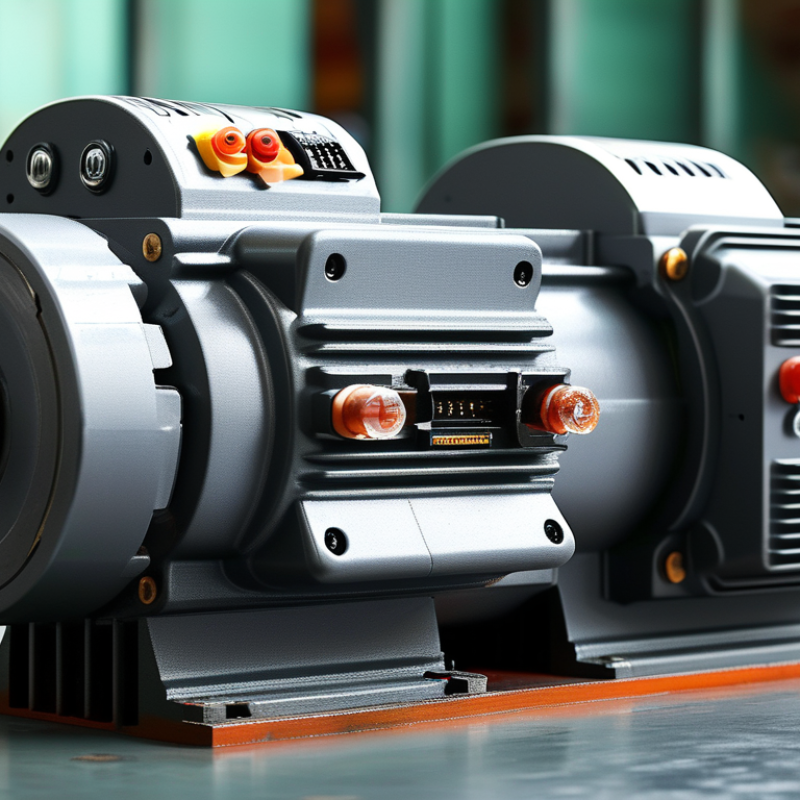
What is a 3 Phase Motor Regulator?
A 3-phase motor regulator is crucial for managing electric motors in various industrial applications. It optimizes performance and enhances energy efficiency. These regulators adjust the voltage and frequency supplied to the motor. This capability allows for smoother operation and reduces energy consumption, leading to a more efficient system. According to the International Energy Agency, motors account for about 45% of global electricity consumption in industrial settings.
The design of a 3-phase motor regulator focuses on achieving precise control over speed and torque. This is essential in processes, such as conveyor systems and pumps. Industry reports indicate that using variable frequency drives (VFDs), part of regulator systems, can lead to energy savings of up to 50%. They help to mitigate issues like mechanical wear and overheating by maintaining optimal operating conditions. However, it’s important to validate the compatibility of the motor and regulator.
Not all systems are perfect. Sometimes, integrating a 3-phase motor regulator can introduce challenges. Users might face issues like harmonics and electromagnetic interference. Proper installation and regular maintenance are necessary to avoid these problems. Continuous monitoring can also improve overall system efficiency. Knowing how to troubleshoot common issues enhances the reliability of these systems.
Key Components of a 3 Phase Motor Regulator
A 3 phase motor regulator is a vital component for controlling motor performance. It ensures that motors operate efficiently and safely, especially in industrial settings. The key components of a 3 phase motor regulator include the controller, the sensors, and the feedback mechanism.
The controller manages the power supply to the motor. This device converts the incoming electrical signals into a usable format. It allows for adjustments based on real-time data from the sensors. Sensors monitor vital parameters like voltage, current, and temperature. They provide crucial information to the controller, ensuring that any irregularities can be managed swiftly.
Feedback mechanisms play an essential role. They relay information back to the controller about the motor's performance. This integration supports optimal functionality, yet sometimes it may not respond as expected. Unexpected fluctuations can occur. Operators must remain vigilant. Regular maintenance and testing of these components help avoid performance issues. The integration of these components reflects on the reliability and efficiency of the entire motor system.
Voltage and Current Analysis of a 3 Phase Motor Regulator
This chart illustrates the voltage and current measurements for each phase of a 3 phase motor regulator, highlighting the variations in performance across the three phases. The voltage readings range from 400V to 420V, while the current readings range from 10A to 12A.
How Does a 3 Phase Motor Regulator Operate?
A 3-phase motor regulator is essential for managing the performance of industrial motors. It efficiently modulates power supply to a motor, ensuring the right torque and speed. This kind of regulator is important when operating equipment requiring consistent performance, such as pumps and conveyors.
These regulators typically operate by adjusting the voltage and frequency supplied to the motor. This control is often achieved using solid-state devices like thyristors or transistors, enhancing durability. According to industry reports, around
70% of industrial electrical energy consumption comes from motors. Proper regulation can reduce energy costs significantly. By optimizing motor performance, businesses can save up to
30% on their electricity bills.
Tips: Regularly check the regulator for wear or faults. This prevents unexpected downtime. Consider monitoring motor temperature as well. Overheating can signal inefficiencies. Maintain a balanced load across all phases to avoid uneven wear and prolong equipment life.
Applications of 3 Phase Motor Regulators in Industry
Three-phase motor regulators play a crucial role in various industrial applications. They help control the speed, torque, and power consumption of motors, making them essential in sectors like manufacturing, HVAC, and mining. According to a report by MarketsandMarkets, the global market for motor drives is projected to reach $28.1 billion by 2027, growing at a CAGR of 6.5%. This growth underscores the increasing demand for efficient energy management solutions.
In manufacturing, three-phase motor regulators are utilized to enhance precision in operations. They enable smooth acceleration and deceleration of motors, which is vital for conveyor systems and automated assembly lines. Their application reduces energy waste, with some reports indicating up to 30% energy savings. Additionally, these regulators minimize wear on the machinery, extending the lifespan of equipment.
However, there are challenges. Not all operators are familiar with the technology. Education and training are essential for effective use. Moreover, as the industry evolves, keeping up with advancements in regulation technology can be daunting. Some companies may struggle to adapt, risking operational efficiency. Regular audits and training can mitigate these issues but can be overlooked in fast-paced environments.
Benefits of Using 3 Phase Motor Regulators for Energy Efficiency
In industrial settings, 3 phase motor regulators play a vital role in energy management. These devices control the speed and torque of motors, leading to significant improvements in energy efficiency. By adjusting the electrical input, they optimize motor performance. This can reduce energy waste during operation.
One of the major benefits of using these regulators is reduced energy consumption. For instance, when a motor runs at a lower speed, it consumes less power. Industries that run machines continuously notice substantial savings on their energy bills. Over time, this can lead to positive environmental impacts, reducing the facility's carbon footprint.
Additionally, motor regulators can enhance equipment lifespan. By minimizing stress on components, these devices lower the risk of wear and tear. However, it’s essential to properly implement and maintain these regulators. Sometimes, incorrect settings may lead to inefficiencies, which require careful monitoring and adjustment. Hence, the knowledge of experienced technicians is crucial for optimal results.
FAQS
: It controls motor performance, ensuring efficiency and safety in industrial settings.
The key components include the controller, sensors, and feedback mechanisms.
The controller manages the power supply and converts signals into usable formats, allowing real-time adjustments.
Sensors monitor vital parameters like voltage, current, and temperature, providing essential data to the controller.
They relay performance data back to the controller, supporting optimal functionality, though issues may arise occasionally.
Lack of maintenance can lead to unexpected fluctuations and performance issues. Regular checks are crucial.
They optimize motor performance, potentially decreasing electricity bills by up to 30%.
Operators must check for wear, faults, and monitor motor temperature to identify inefficiencies.
Maintaining a balanced load prevents uneven wear, prolonging the life of equipment.
Yes, unexpected fluctuations can occur; operators must remain vigilant and proactive in monitoring performance.
Conclusion
A 3 phase motor regulator is a vital device utilized in industrial settings to optimize the performance of three-phase motors. It is composed of several key components, including sensors, controllers, and power electronic devices, which work together to regulate voltage and current supplied to the motor. The operation of a 3 phase motor regulator involves monitoring the motor's performance and making real-time adjustments to maintain optimal efficiency and performance levels.
The applications of 3 phase motor regulators are widespread, encompassing various industries such as manufacturing, HVAC, and water treatment. By employing these regulators, businesses can significantly enhance their energy efficiency, leading to reduced operational costs and lowered environmental impact. Overall, the implementation of a 3 phase motor regulator not only maximizes motor performance but also contributes to sustainable industrial practices.
 kezhiding
