
kezhiding
In today's dynamic industrial landscape, selecting the right "3 phase AC voltage controller" becomes crucial for efficiency and reliability. According to a recent report by Market Research Future, the global demand for 3 phase controllers is projected to grow by 7% annually from 2023 to 2030. This upward trend underscores the need for informed purchasing decisions by global buyers.
Renowned electrical engineering expert Dr. Emily Torres states, "A reliable 3 phase AC voltage controller stands at the heart of operational efficiency." Her insights highlight the importance of quality in this hardware. However, many buyers may overlook critical features, leading to inefficient applications.
Choices in this sector are vast, yet not all controllers perform equally. Discrepancies in performance can stem from variations in design and technology. Considering these factors is essential to avoid operational setbacks. Global buyers must weigh these decisions carefully, emphasizing the importance of expert guidance in the selection process.
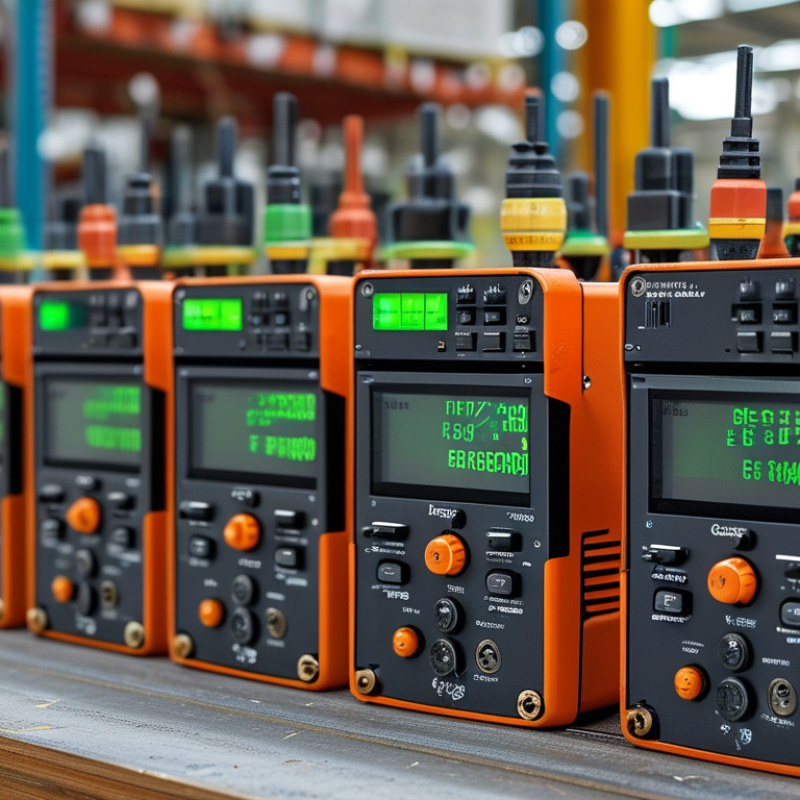
Three-phase AC voltage controllers play a significant role in industrial applications. They manage electrical power more efficiently, delivering stability and reliability. These controllers adjust the voltage amplitude, providing optimal performance for various machinery. According to a recent industry report, the global demand for voltage controllers is expected to grow by 5% annually through 2025. This growth reflects the increasing need for energy-efficient solutions in various sectors.
The technology behind three-phase controllers includes thyristors and TRIACs. These components allow precise control over the output voltage. Adjusting voltage levels can greatly reduce energy consumption. Industries can save up to 20% on energy costs by implementing effective voltage control systems. However, the calibration process is complex and should be handled by experienced professionals. Incorrect settings may lead to equipment failure or inefficient operation.
Tip: Regular maintenance checks are crucial. Periodic assessments can prevent major failures and extend equipment life.
The choice of a controller should consider load characteristics and system requirements. Not all systems are the same; each has unique challenges. Purchasers should analyze specific needs carefully. Engaging with industry experts can provide insights into optimal solutions.
Tip: Always seek expert advice before making decisions. This can help in avoiding costly mistakes.
In conclusion, understanding the fundamentals of three-phase AC voltage controllers is essential for maximizing efficiency and performance. Properly implemented devices foster productive operations, but they demand careful consideration and expertise.
When selecting a three-phase AC voltage controller, consider its efficiency. An efficient controller minimizes energy loss, which is crucial for operational cost savings. Look for controllers with high performance ratings. This can provide better stability and control in various applications.
It’s also important to assess compatibility with your system. A voltage controller should seamlessly integrate with existing equipment. Check the input and output specifications to ensure they match your setup.
Tips for users: Always review user manuals before installation. This can prevent potential damage to your system. Regular maintenance checks can also prolong the lifespan of your voltage controller. Remember, a well-maintained device operates more efficiently.
Selecting the right features can influence overall performance. Look for customizable settings that suit specific applications. This flexibility can enhance productivity and reduce the need for frequent replacements. In some cases, users may struggle with complex configurations. Seeking professional guidance can be beneficial to navigate these challenges.
When selecting the best three-phase AC voltage controller, global buyers often face a multitude of options. Industry reports indicate that users prioritize efficiency and durability in these devices. The voltage controller's core function is to regulate voltage levels, ensuring stable performance for connected equipment. According to a recent market analysis, the demand for high-quality voltage controllers has increased by approximately 15% annually.
Leading models typically feature advanced technology for better precision and control. Many users appreciate units with integrated feedback systems, helping to mitigate voltage spikes or drops. Some controllers are noted for their ability to handle a wide range of input voltages, catering to various industrial needs. However, potential buyers may find that not all models are created equal. For instance, certain brands have been criticized for poor reliability and inconsistent performance under extreme conditions. This inconsistency can lead to downtime, impacting business efficiency.
While brands and models vary, it's essential to focus on specific metrics like load capacity and thermal management. An in-depth understanding of these specifications can help users make informed decisions. Users might overlook the importance of after-sales service and warranty terms when comparing options. Reports show that effective customer support often correlates with overall satisfaction and longevity of the device. Thus, assessing both technical performance and user feedback can guide buyers towards the most suitable three-phase AC voltage controller.
When choosing a three-phase AC voltage controller, buyers must consider various options available in the global market. The technology behind these controllers is diverse. Features such as efficiency and control precision are crucial factors. Buyers should explore controllers with robust designs that promise longevity and reliability. The materials used in their construction often determine their performance and durability.
In terms of operational capabilities, voltage output range is essential. Some controllers cater to specific industrial needs while others offer broader applications. Understanding these differences is vital. Certain models may not perform optimally under all conditions, leading to potential inefficiencies. This creates a gap in user expectations, which needs attention.
Potential buyers may find it overwhelming to sift through the options. Not all products deliver as promised; some may fall short in real-world applications. Feedback from other users can provide insights into performance limitations. Careful consideration and comparison of features will lead to better-informed choices. Engaging with trusted experts can also enhance understanding and decision-making in this complex market.
Proper installation and maintenance of a 3-phase AC voltage controller are crucial for optimal performance and longevity. Before installation, ensure the electrical environment is compatible. Inspect all connections for signs of wear. Use high-quality cables to minimize losses. A poor setup can lead to inefficiency and increased operational costs.
Regular maintenance checks are vital. Schedule these inspections at least once a year. Look for overheating components. Overheating often indicates problems. Clean the controller’s cooling fins routinely to prevent dust buildup. When dust accumulates, it can hinder airflow. This diminishes the controller's efficiency.
Consider monitoring voltage levels during operation. Fluctuations can be harmful. Document these readings to identify patterns. Regular monitoring can catch potential issues early. Additionally, consult with a professional if you notice irregularities. While DIY maintenance is good, expert advice is invaluable. Engaging with a knowledgeable technician can enhance system reliability.
C voltage controller?
User feedback highlights performance limitations and helps identify potential inefficiencies in models.
No, some models have been criticized for inconsistency under extreme conditions, impacting reliability.
Integrated feedback systems help mitigate voltage spikes or drops for stable performance.
No, some are designed for specific industrial needs and may not support broader applications.
Effective customer support correlates with user satisfaction, often impacting device longevity.
Consulting with trusted experts can provide valuable insights in this complex market.
Yes, some products may fall short of expectations, leading to operational inefficiencies.
The materials used in construction significantly influence durability and overall performance.
Yes, the abundance of choices can make it challenging to find the right fit.
In today's industrial landscape, the choice of a suitable 3 phase AC voltage controller is crucial for optimizing electrical systems and improving energy efficiency. These controllers vary in features, including their ability to handle load types, control precision, and compatibility with different voltage levels. When selecting a 3 phase AC voltage controller, key considerations include its efficiency, response time, and ease of installation and maintenance.
A comparative analysis of global options reveals various models that cater to diverse operational needs. Understanding installation requirements and maintenance practices is essential to ensure the controller operates at optimal performance. By evaluating top brands and their offerings, users can make informed decisions that align with their specific application needs and operational goals, ultimately enhancing their overall productivity and system reliability.
