
kezhiding kezhiding

2026 How to Choose the Best 110 Voltage Regulator for Your Needs?

Time:2026-07-07 Author:Sienna
0%

When selecting a 110 voltage regulator, understanding its function is crucial. A voltage regulator stabilizes electrical output, ensuring that devices receive consistent voltage. According to industry data, improperly regulated voltage can lead to equipment damage, leading to costly repairs or replacements. Investing in a quality 110 voltage regulator mitigates these risks.

The market is diverse. With products ranging from basic models to advanced smart regulators, understanding your needs is vital. Reports indicate that about 30% of electrical issues are tied to voltage fluctuations. This statistic emphasizes the importance of a reliable 110 voltage regulator. Options may seem overwhelming, but making an informed choice is essential.

The right regulator improves efficiency and extends the lifespan of electrical devices. Some consumers overlook the specifics that matter. Factors such as load capacity and efficiency ratings can impact performance. It’s only by carefully evaluating these elements that you can ensure optimal results for your applications. The right choice will lead to better functionality and protection for your devices.
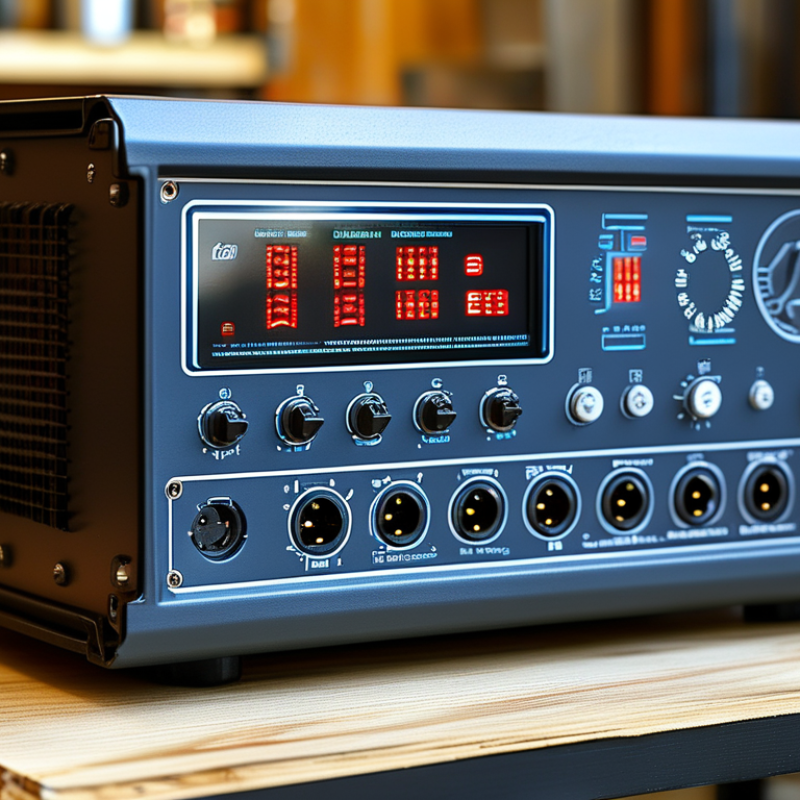
2026 How to Choose the Best 110 Voltage Regulator for Your Needs?

Understanding the Basics of 110 Voltage Regulators

When it comes to using 110 voltage regulators, understanding their fundamental functions is crucial. These devices help maintain a steady voltage output, ensuring electric equipment operates efficiently. According to industry reports, about 55% of equipment failures relate to voltage inconsistencies. This statistic highlights the importance of investing in a suitable regulator.

Voltage regulators come in various types, but the two primary categories are linear and switch-mode. Linear regulators are simpler and less noisy, suitable for small applications. However, they often waste energy as heat, leading to inefficiencies. On the other hand, switch-mode regulators are more efficient and better for high-power applications. They adapt to a range of input voltages, making them versatile for various needs.

**Tip:** Regularly inspect your regulator for any signs of wear. An overlooked regulator can compromise your entire system.

Choosing the right voltage regulator requires assessing your specific needs. Factors such as load requirements and energy efficiency should be evaluated. A mismatch can lead to performance issues or equipment damage. Always consult detailed specifications and consider reliability ratings from credible sources.

**Tip:** Keep in mind the environment where the regulator will be used. Dust or humidity can affect performance, so ensure it’s rated for your conditions.

Making an informed choice about a voltage regulator will safeguard your devices and improve their longevity. Careful consideration can prevent unnecessary costs and equipment downtime.

2026 How to Choose the Best 110 Voltage Regulator for Your Needs?

Feature Description Importance Example Use Cases
Input Voltage Range The range of input voltages that the regulator can accept. Critical for matching with your power supply. Home appliances, electronic devices.
Output Voltage Stability The ability to maintain a consistent output voltage. Essential for sensitive electronics. Computers, medical equipment.
Load Capacity The maximum load (in watts) the regulator can handle. Important to prevent overloads. Industrial machinery, HVAC systems.
Efficiency A measure of how well the regulator converts input to output without loss. High efficiency saves energy and reduces heat. Renewable energy systems, data centers.
Protection Features Includes surge protection, short-circuit protection, etc. Prevents damage to connected devices. Residential electronics, automotive applications.

Types of 110 Voltage Regulators and Their Applications

When selecting a 110 voltage regulator, it's crucial to understand the different types available. The common types include automatic voltage regulators (AVRs), linear regulators, and buck converters. Each serves unique purposes. For example, AVRs are essential for maintaining steady voltage levels. They protect sensitive equipment from voltage fluctuations.

Linear regulators are simpler and often less efficient. They provide a consistent output voltage but may generate excess heat. This could be a concern in small spaces or high-load situations. Buck converters operate with higher efficiency, making them ideal for battery-powered devices. Their compact size also allows for easy integration into various systems.

Applications vary widely. AVRs are typically used in household appliances, ensuring they run smoothly. Linear regulators are often found in audio equipment, where sound quality is paramount. Buck converters shine in renewable energy systems, like solar power setups, where optimization is key. However, choosing the right type requires careful consideration of your specific needs and the potential drawbacks each type may present. Always weigh these factors when making a decision.

2026 Voltage Regulator Types and Applications

Key Factors to Consider When Choosing a Voltage Regulator

Choosing the right 110 voltage regulator can greatly impact your electronic projects. Several key factors deserve attention. The load requirement is critical. Understand the device’s specifications. Reports show that mismatched loads can lead to overheating and reduced efficiency.

Input voltage range is another vital aspect. If the input voltage fluctuates, ensure that your regulator can handle peaks and dips. According to industry studies, many voltage regulators operate best within a specified range. Going beyond can affect stability and performance.

Efficiency matters. Look for regulators with high efficiency ratings. A report based on market analysis indicates that an efficient regulator can save up to 15% energy compared to less efficient models. Also, consider the thermal management design. Poor heat dissipation can reduce the lifespan of the regulator. Analyze the thermal performance specifications carefully.

Evaluating Performance and Efficiency of Voltage Regulators

When selecting a voltage regulator, performance and efficiency are critical factors. A well-performing regulator maintains a stable voltage output while minimizing energy loss. For instance, a report by the Electric Power Research Institute notes that efficient regulators can improve system energy usage by over 15%. This is essential when considering the increasing energy demands of modern electronics.

One important aspect to evaluate is the load regulation. This measures how well a regulator can maintain output voltage as the load changes. A good voltage regulator should have a load regulation of less than 1%. When choosing, check this specification carefully. Additionally, power efficiency is measured by the ratio of output power to input power. A regulator with an efficiency above 85% is generally acceptable for most applications.

Tips: Always consider the thermal performance of a regulator. Overheating can lead to poor performance or failure. Look for regulators with thermal shutdown features. Moreover, consider the package type for ease of installation and heat dissipation. Measurements can vary. Therefore, testing in real-world conditions matters. Collect data during different load conditions to make informed decisions. Use this data to evaluate if the regulator meets your specifications.

Maintenance and Troubleshooting Tips for Voltage Regulators

When dealing with 110 voltage regulators, maintenance is crucial for their longevity and performance. Regular inspections can help detect issues early. For instance, look for signs of wear, such as unusual noises or overheating. Research indicates that nearly 30% of voltage regulator failures are attributed to inadequate cooling and dust buildup. Ensuring proper airflow and cleanliness can prevent overheating, which often leads to failures.

Troubleshooting common issues requires a systematic approach. If your voltage regulator fails, check input voltage stability first. A fluctuating input can cause erratic output. According to recent industry reports, 20% of failures are due to input variations. If the regulator is overloaded, it may shut down to protect itself. Consider measuring the load to ensure it is within specifications. Often, users overlook load variations, leading to unnecessary replacements.

In addressing these problems, document any deviations in performance and test conditions. This practice enhances accountability and can reveal patterns over time. Only 15% of professionals consistently track performance metrics. Keeping a log will enable better troubleshooting and maintenance strategies. Ultimately, proper maintenance and understanding of issues will contribute to a more reliable voltage regulation experience.

FAQS

: What are the common types of 110 voltage regulators?

: The common types include automatic voltage regulators, linear regulators, and buck converters. Each has unique functions.

What is the purpose of automatic voltage regulators (AVRs)?

AVRs maintain steady voltage levels. They protect sensitive equipment from voltage fluctuations.

How do linear regulators function?

Linear regulators provide a consistent output voltage. However, they can generate excess heat in high-load situations.

Why are buck converters efficient?

Buck converters operate with higher efficiency, ideal for battery-powered devices. Their compact size allows easy integration.

Where are linear regulators commonly used?

Linear regulators are often used in audio equipment. Sound quality is crucial in these applications.

What should I consider when choosing a voltage regulator?

Consider load requirements, input voltage range, and efficiency. Mismatched loads can cause overheating.

How can input voltage fluctuations affect performance?

Input voltage variations can impact stability. Regulators work best within a specific range.

Why is efficiency important in voltage regulators?

High efficiency can save energy. Reports show efficient regulators save up to 15% energy compared to less efficient models.

What role does thermal management play?

Good thermal management prevents heat buildup. Poor heat dissipation can shorten a regulator's lifespan.

What common mistake should be avoided when selecting a regulator?

Ignoring load specifications can lead to inefficiency. Always match the regulator to the device's needs.

Conclusion

When selecting the best 110 voltage regulator for your needs, it's essential to first understand the basic functions of these devices. A 110 voltage regulator is designed to maintain a constant voltage level regardless of fluctuations in the input supply. Different types of voltage regulators, such as linear and switching regulators, serve various applications, from household electronics to industrial equipment.

Key factors to consider when choosing a 110 voltage regulator include its output capacity, efficiency, and thermal performance. Evaluating the performance and efficiency of potential regulators can help ensure reliable operation and longevity. Furthermore, maintenance and troubleshooting tips are vital for keeping the regulator in optimal working condition, allowing for seamless operation and minimal downtime. By following these guidelines, you can make an informed decision tailored to your specific voltage regulation needs.

Sienna

Sienna

Sienna is a skilled marketing professional with a deep expertise in our company’s core products and services. With a passion for innovation and detail, she plays a pivotal role in crafting insightful blog posts that not only highlight the unique features of our offerings but also provide valuable......