
kezhiding kezhiding

How to Choose the Right 3 Phase Regulator for Your Needs?

Time:2026-07-31 Author:Sophia
0%

Choosing the right 3 phase regulator is crucial for efficient electrical management. This device stabilizes voltage, ensuring smooth operation in industrial settings. When selecting a 3 phase regulator, consider your specific needs—different applications require different specifications.

Understanding the technical details is essential. Size, load capacity, and output regulation are key factors. A mismatch can lead to inefficiencies, possibly damaging your equipment. Research might reveal complexities you had not anticipated. Sometimes, what seems ideal can fall short of real-world performance.

Don't rush the decision-making process. Take time to consult experts or reviews. Practical experiences can uncover flaws or advantages that specifications may not reveal. Remember, a well-chosen 3 phase regulator can enhance your setup significantly, while a poor choice can lead to frustration and losses. Reflect on your options carefully.
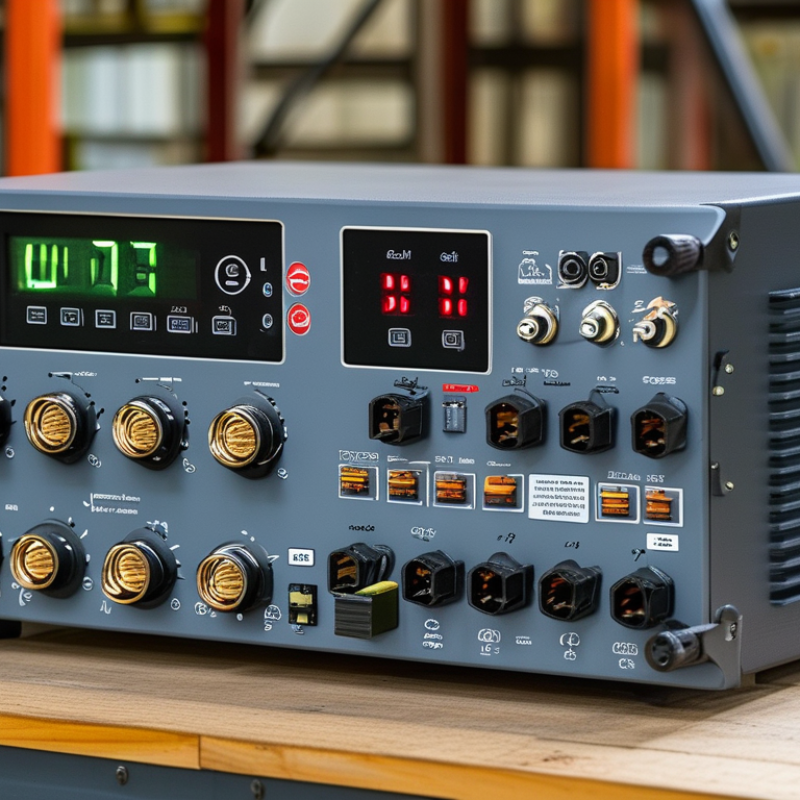
How to Choose the Right 3 Phase Regulator for Your Needs?

Understanding the Basics of 3 Phase Regulators

When selecting a 3 phase regulator, understanding the basic components is essential. A 3 phase regulator stabilizes voltage levels in three-phase power systems. These systems are common in industrial settings. They provide efficient power distribution for motors and large equipment. Voltage fluctuations can harm machinery and lead to operational issues.

Consider the load capacity of your systems. Ensure the regulator can handle the maximum load of your equipment. If the load is unpredictable, a regulator with a higher capacity is advisable. Keep in mind that an oversized regulator can also be inefficient. Strive for the right balance between capacity and efficiency.

Tips: Regularly inspect the regulator for signs of wear. This can prevent unexpected failures. Additionally, consider the installation environment. Dust, moisture, and extreme temperatures can affect performance. Ensure your regulator is suitable for the conditions it will face.

Understanding the basics of regulation can empower better decision-making. Proper knowledge can lead to improved equipment performance and increased longevity. Researching various options and consulting experts can yield valuable insights. Aim for reliability, efficiency, and compatibility with your specific needs.

Identifying Your Power Requirements and Specifications

When selecting a three-phase regulator, identifying your power requirements is crucial. Start by evaluating your equipment. Assess the total load you will be running. This includes all motors, lights, and other devices. Each device has a specific voltage and current rating. These ratings fluctuate based on your operational needs. Gather this information to determine the regulator's capacity.

Next, consider your voltage levels. A three-phase system typically operates at specific voltages. Ensure your regulator matches these voltages for optimized performance. Inconsistent power supply can damage sensitive equipment. It’s essential to factor in surge requirements as well. Equipment startup often demands more power than it runs with. Calculate this peak demand carefully.

Finally, installation location matters. Will your regulator be in a dusty area or a controlled environment? The regulator's design must withstand these conditions. Evaluate its efficiency and load regulation capabilities. Some systems are more reliable than others. Research user experiences and documented failures. This will inform your decision-making process effectively.

Power Requirements for 3 Phase Regulators

Assessing the Types of 3 Phase Regulators Available

When choosing the right three-phase regulator, it is essential to understand the types available. Three-phase voltage regulators primarily fall into four categories: automatic, manual, digital, and servo. Each type serves different purposes based on specific needs.

Automatic regulators are commonly used in industrial settings. They adjust voltage levels automatically to ensure stability. In contrast, manual regulators require users to make adjustments, offering flexibility but demanding more attention. Digital regulators provide precise control and often include features like user-friendly displays. Finally, servo regulators use an electromechanical system for accuracy and responsiveness.

Tips: Consider the load requirements before selecting a type. Know your specific voltage needs, as this directly impacts your choice. Pay attention to the capacity of the regulator. A mismatch can lead to inefficiencies.

Remember, not every regulator suits every application. Assess your unique circumstances. Reflect on your expectations and the operating environment. This will guide you toward making a mindful choice. Being informed will ensure reliability and efficiency in your operations.

Evaluating Features and Performance of Different Regulators

Choosing the right three-phase regulator starts with understanding your specific needs. Consider the power capacity required for your equipment. Check the input and output voltage specifications to ensure compatibility. Different applications may require various performance features.

Evaluate the efficiency ratings of potential regulators. A high-efficiency regulator minimizes energy loss, leading to cost savings. Look for features like overload protection and temperature control. These enhance the reliability and durability of the regulator.

Tips: Always assess the installation space before purchasing. Some regulators require more room than others. Reading user reviews can provide insight into the long-term performance of different models. Don’t overlook warranty and customer support, as these are critical for maintenance and help.

Making the Final Decision: Budget and Brand Considerations

When considering a three-phase regulator, budget and brand can greatly influence your choice. A solid budget helps narrow down your options. However, it’s essential to balance cost with quality. Opting for the cheapest model might lead to issues later. Reliability should not be compromised for savings. Researching various price points can uncover models that offer excellent performance within your budget.

Brand reputation also plays a crucial role. While some brands have a longstanding history of quality, newer brands might offer innovative features at competitive prices. This is where critical evaluation is necessary. Read customer reviews and expert testimonials. This feedback provides insight into the reliability and longevity of a regulator. Each brand may also have unique warranty terms, which can affect your long-term costs.

Evaluating both aspects can lead to a satisfying purchase. However, it's easy to overlook certain details. Perhaps a well-known brand doesn't meet specific needs. Or a budget option might come with unexpected features that are highly useful. Being aware of this can guide you towards a more informed decision. Ultimately, reflecting on your priorities will aid in finding the right regulator for your needs.

How to Choose the Right 3 Phase Regulator for Your Needs? - Making the Final Decision: Budget and Brand Considerations

Voltage (V) Current Rating (A) Power Rating (kVA) Efficiency (%) Price Range ($) Warranty (years)
400 10 4 95 1500 - 2000 2
480 15 7.5 92 2000 - 2500 3
600 20 12 94 2500 - 3000 5
690 25 15 93 3000 - 3500 4
720 30 20 96 3500 - 4000 6

FAQS

: Why is it important to identify power requirements before selecting a regulator?

: Identifying your power needs helps ensure the regulator can handle the total load effectively.

How do I assess the total load for my equipment?

Evaluate each device's voltage and current ratings. Add them together for the total load.

What voltage levels should I consider for a three-phase system?

Ensure the regulator matches the specific voltage levels of the three-phase system for optimal performance.

What are the different types of three-phase regulators?

The main types include automatic, manual, digital, and servo regulators, each serving unique purposes.

What advantages do automatic regulators offer?

Automatic regulators adjust voltage levels on their own, ensuring stability without user intervention.

How does a manual regulator differ from an automatic one?

Manual regulators require users to make adjustments, offering flexibility but needing more attention.

Why is the installation location of the regulator significant?

The environment affects performance; dusty areas may require more robust designs to ensure reliability.

What should I consider about a regulator's capacity?

Ensure it meets your load requirements to prevent inefficiencies or potential equipment damage.

How can user experiences influence my regulator choice?

Researching past user experiences and failures can help inform your decision and avoid pitfalls.

What common errors should I reflect on when choosing a regulator?

Many overlook their specific voltage needs or load demands, leading to mismatches and inefficiencies.

Conclusion

When selecting the right 3 phase regulator for your needs, it's essential to grasp the fundamental concepts surrounding these devices. Begin by understanding your specific power requirements and specifications, as this will significantly influence the type of regulator suited for your application. Various types of 3 phase regulators are available, showcasing different features that cater to diverse performance levels.

Once you're aware of the types available, assess their features and performance metrics, ensuring they align with your operational needs. Finally, consider your budget and any brand preferences you may have, which can help you narrow down your options and make an informed decision. By following these steps, you can effectively choose a 3 phase regulator that optimally meets your requirements.

Sophia

Sophia

Sophia is a dedicated marketing professional with an exceptional depth of knowledge about her company's products and services. With a keen understanding of market trends and customer needs, she crafts insightful blog posts that not only inform but also engage readers, enriching the company’s online......