Choosing the right AC current regulator is crucial for efficiency and performance. The global market for AC current regulators is projected to grow at a significant rate. According to a report by Research and Markets, this industry is expected to reach $3.5 billion by 2025. This reflects the increasing demand for energy management solutions across various sectors.
Dr. Emily Chen, an expert in power electronics, points out, "Selecting the right AC current regulator can make or break your energy efficiency goals." Her insight emphasizes the importance of understanding your specific needs. Factors like load characteristics and environmental conditions play a vital role. Different applications may require different features, and it's essential to assess these carefully.
Many users overlook the complexities of AC current regulators. Not all regulators are created equal. Often, choices are made based on price alone, leading to inefficiencies and unexpected failures. Understanding your specific requirements is essential. Detailed research can prevent costly mistakes and enhance overall system reliability.
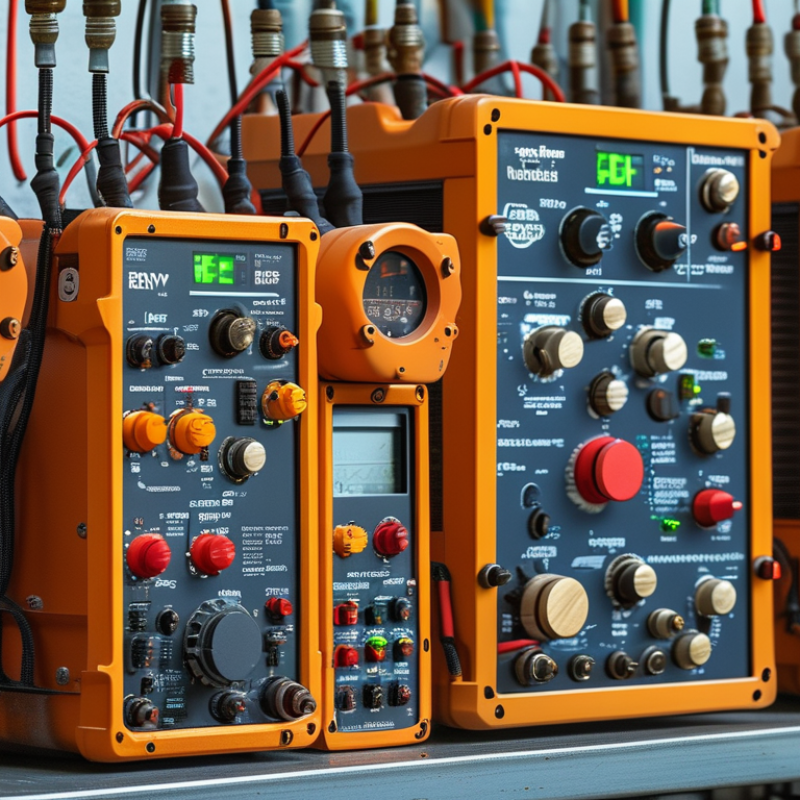
Factors to Consider When Selecting an AC Current Regulator
When selecting an AC current regulator, several critical factors come into play. The first consideration should be the load requirements. The regulator must handle the specific current capacity needed for your application. For example, industrial settings often need regulators that can manage over 100 amps, while smaller operations might require only 10 amps. The ability to adjust the output voltage and maintain stability is also essential. A report by the Electric Power Research Institute indicates that a stable voltage can reduce energy consumption by up to 25%, which can translate into significant savings.
Additionally, you need to assess ambient conditions. Regulators should be rated for the environmental factors they will encounter. High temperatures, humidity, and dust can influence performance and lifespan. A regulator operating in a harsh environment may require better casing and insulation. Data from the Institute of Electrical and Electronics Engineers shows that equipment functioning outside its rated environment can fail up to 30% faster. This highlights the importance of compatibility between the regulator and its surroundings.
Lastly, consider the efficiency rating of the regulator. Higher efficiency reduces wasted energy, which benefits both the environment and operating costs. Regulations often demand at least 90% efficiency for industrial devices. However, achieving such efficiency can require more advanced technology and initially higher costs. Balancing short-term expenses with long-term benefits is often challenging but crucial in selecting the right device.
Understanding the Different Types of AC Current Regulators Available
When selecting an AC current regulator, understanding the types available is crucial. Broadly, AC voltage regulators fall into two primary categories: mechanical and electronic. Mechanical regulators, such as auto-transformers, adjust voltage through physical contacts. They excel in environments with substantial load changes but require maintenance. In contrast, electronic regulators use solid-state components. They provide faster response times and increased efficiency but can be more complex to integrate into existing systems.
Data from industry reports indicate that electronic regulators dominate the market due to their precision and reliability. Approximately 65% of users prefer electronic models for industrial applications. They can maintain voltage levels within ±2%. This precision is vital in sensitive equipment like servers and medical devices, where voltage fluctuations can cause significant damage. However, mechanical regulators are still valued for their robustness in harsh conditions, such as in outdoor installations.
It is essential to reflect on the long-term maintenance costs associated with each type. Mechanical regulators may require more frequent servicing, potentially offsetting initial savings. Users often overlook this, leading to unexpected expenses. Evaluating the operational environment and future needs will guide you in choosing the right regulator. This decision impacts efficiency and operational reliability significantly.
How to Choose the Best AC Current Regulator for Your Needs?
| Type of AC Current Regulator |
Application |
Output Range (A) |
Efficiency (%) |
Price Range ($) |
| SCR-based Regulator |
Industrial Equipment |
10-100 |
85-95 |
100-500 |
| Voltage Stabilizer |
Home Appliances |
5-50 |
90-98 |
50-300 |
| Linear Regulators |
Consumer Electronics |
1-10 |
75-90 |
20-150 |
| Capacitor Voltage Regulators |
Transmission Lines |
50-200 |
80-92 |
200-800 |
Key Specifications and Features of High-Quality AC Current Regulators
When selecting an AC current regulator, key specifications and features can greatly influence your choice. First, consider the regulation range. A high-quality regulator should effectively handle fluctuations in voltage and current levels. Check its ability to maintain a stable output despite varying input conditions. For example, if your equipment is sensitive, look for a regulator with a narrow tolerance level.
Next, the control method matters. Some regulators use automatic adjustment, while others require manual calibration. Automatic control allows for quick responses to changes in load, improving reliability. In contrast, manual models might offer more precision but require regular adjustments. Also, physical design should not be overlooked. Compact models can save space but may limit heat dissipation. Assess where you'll place the regulator to ensure comfort and safety.
Finally, examine the safety features included. An effective AC current regulator should have protection against overcurrent and overheating. Some models even provide surge protection. Not all features may be necessary for every application, so reflect on your specific needs. Investing in a reliable regulator can prevent future equipment damage and ensure operational efficiency.
Comparing Performance Ratings and Efficiency of Various Models
Selecting the right AC current regulator involves understanding the performance ratings and efficiency of different models. Performance ratings typically indicate how well a regulator can maintain stable voltage under varying loads. It's essential to consider specifications like output stability, response time, and load capacity. Testing various models can lead to surprising insights into their capabilities.
Efficiency is another crucial factor. An efficient regulator reduces energy loss, which is particularly important for long-term cost savings. Look for specifications that discuss energy consumption and operational efficiency. It's interesting to note that some models perform well under specific conditions but may falter in others. Evaluating the environment where the regulator will operate is vital; some units may struggle in extreme temperatures or humidity levels.
While comparing models, examine customer reviews and professional assessments. Real-world experiences often highlight strengths and weaknesses that specifications alone cannot convey. A regulator might have high performance ratings on paper but underperform in practice. Gathering comprehensive feedback ensures a well-informed decision. Reflecting on these aspects can lead to a more satisfactory choice tailored to individual needs.
Budgeting: Cost Analysis of AC Current Regulators in Your Market
When considering an AC current regulator, budgeting is crucial. The cost of these regulators can vary widely based on features, quality, and brand reputation. An entry-level model might cost around $50, but advanced units can exceed $500. Research local market prices to avoid overpaying.
Always consider the long-term savings of a more expensive unit. It may offer better efficiency, which can lower your electricity bills. However, it's essential to evaluate whether the additional features are worth the investment. Some expensive models have tech that might not enhance performance for basic uses.
Be wary of lower-end options that seem too good to be true. Compromised quality may lead to more frequent replacements. This can ultimately result in higher costs over time. Carefully read reviews and specifications before making a decision. Every choice should align with your specific needs and financial capacity. In the end, reflect on how much you’re willing to invest for reliability and efficiency.
AC Current Regulators Cost Analysis
This chart represents the average cost of different models of AC current regulators in the market. As shown, the costs increase from basic models to premium models, providing options for various budgets and needs.
Conclusion
When selecting the best AC current regulator for your needs, it's essential to consider several key factors that can impact performance and suitability. Start by understanding the different types of AC current regulators available, including their specific functionalities. Evaluate critical specifications and features to ensure you choose a high-quality model that meets your requirements. Performance ratings and efficiency comparisons among various models are also crucial, as these metrics will help you determine the most effective option for your application.
Budgeting plays a significant role in your decision-making process, so conducting a cost analysis of AC current regulators in your market will help you find a balance between quality and affordability. Overall, making an informed choice involves weighing these factors thoughtfully to ensure the AC current regulator you select aligns with your operational needs and financial constraints.
 kezhiding
