
kezhiding
Choosing the right 3 phase AVR can significantly impact equipment performance and reliability. Industry expert Dr. John Smith, a renowned electrical engineer, emphasizes, "The proper selection of a 3 phase AVR is crucial for system stability." This highlights the importance of understanding your specific power requirements.
With various options available, it can be overwhelming. Each 3 phase AVR has unique features designed for different applications. For instance, some are tailored for sensitive electronics, while others excel in industrial settings. It’s vital to assess the load characteristics and environmental factors to make an informed choice.
One might feel tempted to settle for the cheapest option. However, investing in a reliable 3 phase AVR can prevent costly downtime. Consideration of brand reputation and user reviews can guide better decisions. Ensure your choice aligns with your operational needs for optimal performance.
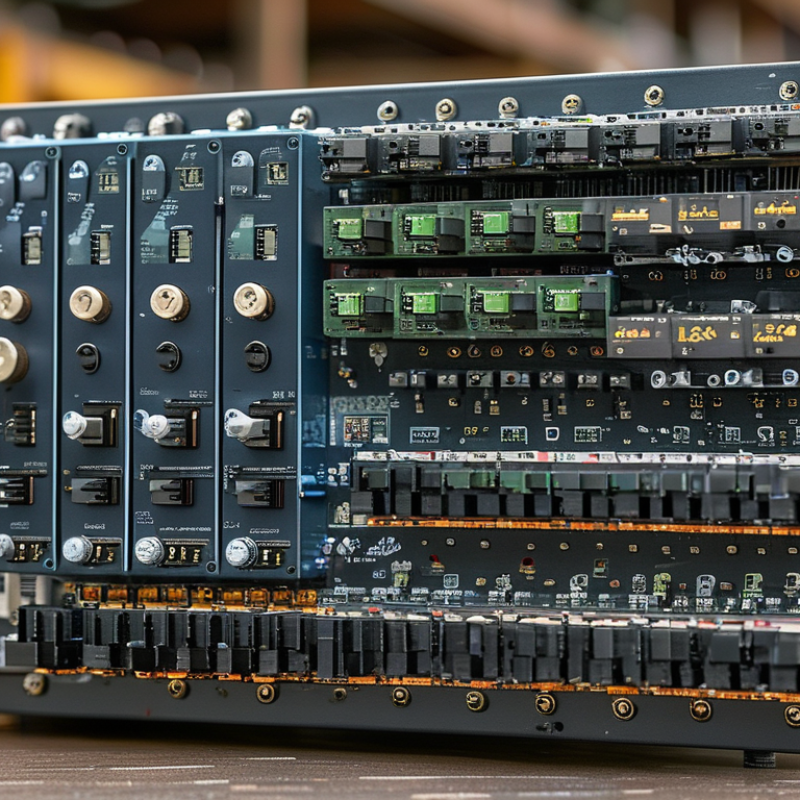
Understanding the technology behind 3 Phase Automatic Voltage Regulators (AVRs) is crucial for making informed decisions. These devices stabilize voltage levels in industrial and commercial applications. A 3 phase AVR monitors voltage levels across the three phases. It ensures that all phases remain balanced, which enhances the efficiency of electrical systems. According to industry reports, voltage fluctuations can lead to a 30% reduction in system efficiency.
The basic function of a 3 phase AVR is to adjust the voltage supplied to electrical equipment. It accomplishes this through a combination of transformers and control circuits. The quality of the regulation can vary significantly between different models. For instance, a model with a fast response time can protect sensitive equipment better than slower alternatives. A report from the Electrical Power Research Institute suggests that using high-quality AVRs can prolong equipment life by up to 25%.
Not all AVRs are created equal. Some may fail to respond adequately under extreme loads or challenging conditions. It is essential to consider the application requirements when selecting an AVR. Ensure it can handle surge conditions without compromising performance. This level of diligence will help avoid costly outages or equipment damage. It’s a balancing act between cost, capabilities, and reliability.
When selecting the right 3 phase Automatic Voltage Regulator (AVR), understanding your power requirements is crucial. Voltage fluctuations can impact sensitive equipment. According to industry data, 45% of companies report equipment damage due to poor voltage regulation. Knowing the load capacity needed helps ensure stability.
Start by calculating the total wattage of your connected devices. Ensure you include all operational machines. Industry standards recommend adding a 20% buffer to account for unexpected surges. This extra margin helps avoid device failure. Moreover, consider the phase balance of your system. An uneven load can lead to reduced efficiency, with studies showing that phase imbalance can reduce system life by up to 30%.
Think about the environment too. High temperatures can affect AVR performance. Choose models that can operate efficiently within your specific temperature range. If your location experiences frequent power outages, a robust AVR model can enhance longevity. Users often overlook maintenance, yet regular checks can maintain optimal performance. An effective AVR not only protects but improves overall electrical health in industrial settings.
When selecting a three-phase Automatic Voltage Regulator (AVR), evaluating key features is essential. Start with voltage regulation range. Different regions have varying power supply conditions. Ensure the AVR can handle fluctuations in your specific area. Look for adaptability in voltage levels. A reliable AVR will maintain stable output, even with input variations.
Next, pay attention to load capacity. Match the AVR’s capacity to your equipment's requirements. Too small of a unit may lead to inadequate support. Conversely, an oversized unit can be inefficient and costlier to operate. Consider the total load your equipment draws, ensuring your AVR can manage it effectively.
Cooling system design also merits consideration. An AVR with efficient cooling can enhance performance and extend lifespan. Overheating can cause failures, leading to downtime. Additionally, look for features like surge protection, which can safeguard your equipment from voltage spikes. Evaluating these details helps ensure you choose an AVR that suits your needs optimally.
| Feature | Description | Importance | Typical Range |
|---|---|---|---|
| Voltage Regulation | Ability to maintain output voltage within specified limits. | Critical for consistent power supply. | ±1% to ±5% |
| Load Capacity | Maximum load that the AVR can support. | Essential for determining suitable applications. | 5 kVA to 500 kVA |
| Response Time | Time taken to correct voltage fluctuations. | Affects system stability and performance. | <1 ms to 10 ms |
| Protection Features | Includes surge protection, overload protection, etc. | Critical for equipment safety. | Varies by model |
| Type of Cooling | Method used to dissipate heat (air-cooled or oil-cooled). | Affects performance in high-load situations. | Air-cooled or oil-cooled |
| Input Voltage Range | Acceptable range of input voltage for the AVR. | Important for compatibility with grid supply. | 380V to 480V |
When selecting a suitable 3 Phase AVR, comparing various brands and models is essential. A reliable AVR is crucial for protecting equipment from voltage fluctuations. According to industry reports, nearly 30% of electrical failures are due to inadequate voltage regulation.
Different brands often offer distinct features. Some models include advanced monitoring capabilities. Others focus on cost-efficiency and ease of installation. The IEEE has noted that users often overlook the importance of data logging features in an AVR. These features can provide insights into power quality issues over time. Users may find that they prefer simplicity over complex features.
Another key factor is build quality. Many cheaper models may not withstand harsh environments. As per data from market analyses, professional-grade AVRs have a 40% lower failure rate in demanding conditions. Many users underestimate the impact of environmental factors on AVR performance. Choosing a model with appropriate casing can prevent premature failure. Features such as cooling systems and surge protection also contribute significantly to longevity.
When budgeting for a three-phase Automatic Voltage Regulator (AVR), it’s crucial to consider multiple factors. Assess your power requirements first. Larger systems often need more robust, and typically pricier, AVRs. Many users underestimate the complexity involved, leading to issues down the line. Consider both upfront costs and potential maintenance expenses. A cheaper model may lead to higher long-term costs if it fails frequently.
Evaluate installation costs as well. Professional installation can add significantly to your budget. A DIY approach might save money, but it raises risks, resulting in possible equipment damage. Research if there are additional costs for features like remote monitoring or enhanced protection. These features can improve reliability but often come at a premium.
Lastly, remember to factor in warranty and support services. A higher-priced AVR might include long-term support, making it worth the investment. Cheaper options may lack reliable customer service when troubleshooting arises. Each decision comes with trade-offs, so reflect carefully on your actual needs versus perceived savings.
VR?
An uneven load leads to reduced efficiency. Phase imbalance can decrease system life by up to 30%.
High temperatures can affect performance. Choose an AVR designed for your specific temperature range.
Regular checks maintain optimal performance. Users often neglect this, leading to degraded electrical health.
Consider voltage regulation range, load capacity, and cooling system design for better performance.
Ensure the AVR's capacity meets your equipment’s total load to avoid inefficiency or device failure.
Features like surge protection help safeguard equipment from voltage spikes. They are crucial for longevity.
Different models offer unique features. Comparing them helps find the best fit for your needs and environment.
Data logging provides insights into power quality issues over time. It's often overlooked but can be valuable.
Many cheaper models may not endure harsh conditions. They often have a higher failure rate than professional-grade units.
Choosing the right 3 phase AVR (Automatic Voltage Regulator) involves understanding the fundamental technology behind it, as well as assessing your specific power requirements. A well-informed selection process begins with a clear understanding of how 3 phase AVR units function and the power demands of your equipment or facility.
Next, it's essential to evaluate the key features offered by different 3 phase AVR models, such as voltage stabilization, surge protection, and operational efficiency. Comparing various brands and models, while considering your budget and cost implications, will help you make a prudent investment in an AVR that meets both your performance needs and financial constraints. This comprehensive approach ensures that your 3 phase AVR will reliably protect your electrical systems from voltage fluctuations, thereby enhancing overall stability and functionality.