 kezhiding
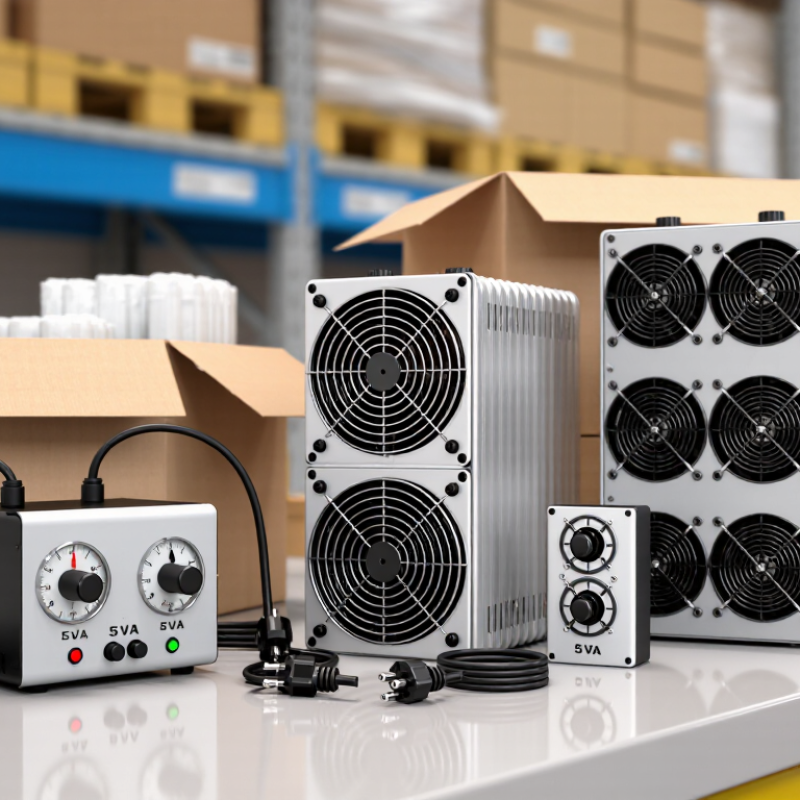
AC regulator pricing depends on more than rated capacity. A 10 kVA unit usually costs less than a 50 kVA model because its transformer, switching devices, cooling system, and enclosure are smaller. Input voltage range also matters. A regulator correcting 160–260 V needs stronger control hardware than one handling 200–240 V. Output accuracy affects cost too. Maintaining ±1% requires faster sensing and finer voltage steps than maintaining ±5%. It sounds minor. It is not.
In practical purchasing, response time, phase design, efficiency, and waveform quality often change the quotation. Three-phase regulators usually require more complex monitoring and protection. Low total harmonic distortion may require filters or advanced switching components. Copper windings, forced-air cooling, stainless enclosures, and higher IP ratings add material and testing costs. A 2024 MarketsandMarkets report projects steady global growth in the voltage regulator market through 2029, driven partly by industrial automation and sensitive electronic loads. That growth does not make every specification necessary. I have seen buyers overpay for precision they never measure.
Certification and operating conditions also influence worldwide prices. Equipment designed for high humidity, dust, altitude, or unstable grids needs additional insulation and thermal margins. The International Energy Agency’s Electricity 2024 report forecasts strong electricity-demand growth, increasing pressure on power-quality equipment. Freight, local testing, spare parts, and warranty support can then exceed the initial price difference. Request measured efficiency, correction range, response time, and temperature-rise data. Supplier claims need checking. Product comparisons are imperfect without the same load profile, installation site, and duty cycle.
