In the world of electronics, selecting a reliable 10a voltage regulator is crucial. Experts emphasize the need for efficiency in power supply. Dr. Emily Carter, a renowned electronics engineer, once stated, "A quality 10a voltage regulator can significantly enhance circuit stability." With the rapid advancement of technology, the demand for high-performance power management is on the rise.
The market offers various 10a voltage regulators. Each option has unique features that cater to different applications. Understanding these differences requires expertise and experience. Many may overlook the potential pitfalls, such as thermal performance or load regulation. A careful evaluation of these factors is necessary for optimal performance.
Identifying the right 10a voltage regulator can be challenging. Not every regulator will fit every application. Potential users must consider their specific needs. This process includes assessing efficiency, size, and reliability. As the industry evolves, keeping track of the best options is essential for ensuring robust power supply solutions.
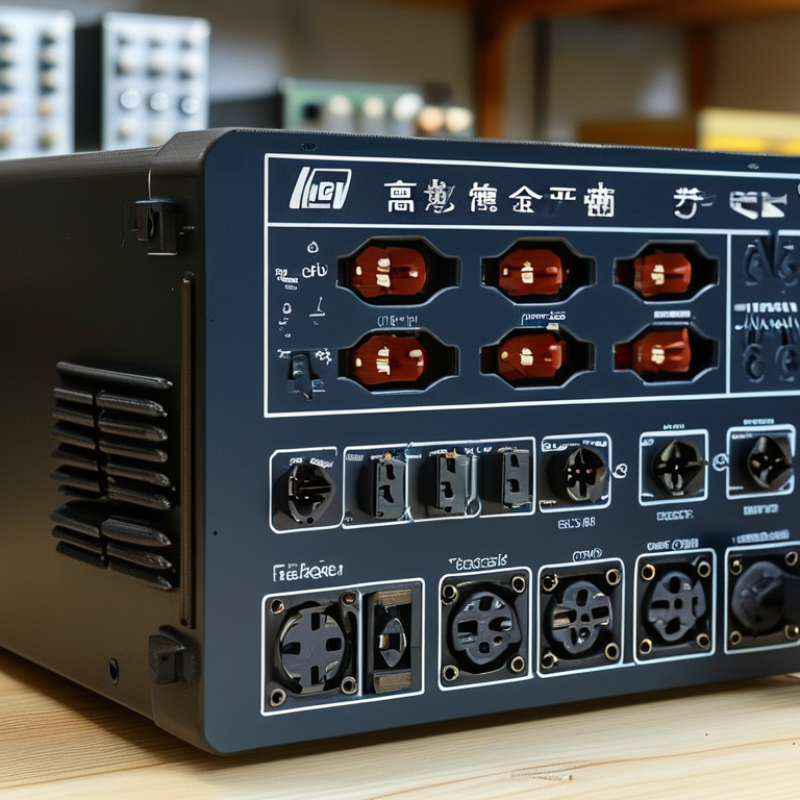
Overview of Voltage Regulators and Their Importance in Power Supply
Voltage regulators are critical in modern power supply systems. They ensure that devices receive a consistent voltage, which is vital for performance. According to a 2022 report by the International Electrotechnical Commission, over 70% of electronic failures can be attributed to voltage instability. This statistic underscores the necessity of using reliable voltage regulators.
Voltage regulation varies in efficiency according to the design and technology used. Linear regulators, for instance, have a simple design but can waste significant energy as heat. Conversely, switching regulators are generally more efficient, often exceeding 85% efficiency in optimal conditions. However, they can introduce complexity into a system. Engineers often must weigh the benefits of each type, considering both efficiency and potential noise issues.
Static and dynamic load responses of regulators can also differ markedly. While many regulators may perform well under steady conditions, they may struggle with abrupt changes in load. In fact, a study published in the IEEE Transactions on Power Electronics found that nearly 30% of power supply designs experience voltage overshoot or undershoot during transient conditions. This variability highlights why selecting the right voltage regulator is crucial for achieving optimal performance in electronic systems.
Types of Voltage Regulators: Linear vs. Switching Regulators
Voltage regulators play a crucial role in ensuring a stable power supply for electronic devices. There are two primary types: linear regulators and switching regulators. Each type has its advantages and drawbacks. Understanding their differences can help in selecting the right one for specific applications.
Linear regulators are known for their simplicity and low noise output. They provide a smooth voltage and are easy to implement. However, they can be inefficient when the input-output voltage difference is high. This inefficiency can lead to excessive heat generation. On the other hand, switching regulators are more efficient, especially for applications requiring higher power. They convert input voltage to the desired output using an inductor and switching elements. This method minimizes wasted energy and manages heat better, but can introduce noise.
Choosing between these regulators depends on your specific needs. Consider the application, voltage requirements, and efficiency concerns. Switching regulators may appear complex due to their design but often offer better overall performance. Therefore, weighing the benefits and limitations of both types is essential for optimal outcomes.
Top 10 Voltage Regulator Options for Efficient Power Supply
This bar chart displays the efficiency percentages of the top 10 voltage regulator options available. Understanding the efficiency helps in selecting the appropriate voltage regulator for your specific power supply needs.
Key Features to Consider When Selecting a Voltage Regulator
When selecting a voltage regulator, understanding key features is crucial. Efficiency is vital. Reports indicate that modern voltage regulators can achieve efficiencies exceeding 90%. This efficiency helps reduce heat generation and energy loss.
The output voltage stability is another important factor. A regulator with low ripple voltage ensures that the supplied voltage remains steady. A high ripple voltage can lead to malfunctioning of connected devices. Additionally, consider load regulation performance. Regulators should maintain consistent output voltage even when the load changes. Poor load regulation can cause significant issues in sensitive electronic applications.
Tip: Look for regulators with thermal protection. This feature prevents overheating, which could damage the regulator and connected components.
Another aspect to consider is input voltage range. Some applications may require a wide input range. Always ensure that the regulator can handle your specific voltage needs. Furthermore, think about the physical size and layout. Compact designs are beneficial, especially in limited space settings.
Tip: Evaluate the manufacturer’s datasheet for real-world performance tests. This information helps in understanding how well the regulator performs under various conditions.
Ultimately, thorough research and understanding are essential. Achieving the right balance of these features leads to better device performance and reliability.
Top 10 Voltage Regulator Options for Various Applications
When selecting a voltage regulator, various applications require distinct features. Industrial machinery, for instance, often demands high efficiency and reliability. A robust voltage regulator ensures minimal power loss and stable output. This is crucial for equipment that operates continuously, as unexpected fluctuations can lead to costly downtime.
In consumer electronics, size and efficiency play significant roles. Miniaturized components accommodate compact designs, while linear regulators provide low noise for sensitive audio applications. Designers must balance size constraints with performance. Flaws in the design process can lead to overheating or inadequate voltage supply, impacting device lifespan.
Additionally, automotive applications focus on temperature resilience and durability under stress. Voltage regulators here must withstand harsh conditions while providing stable power to critical systems. Engineers must reflect on the potential risks of inadequate testing or poor material choices that could compromise safety and functionality. Each choice in voltage regulation impacts overall system performance, emphasizing the importance of informed decisions.
Comparative Analysis of Top Voltage Regulators: Pros and Cons
When selecting a voltage regulator, understanding the pros and cons of different options is crucial. Linear regulators are simple and reliable. They can deliver steady voltage with minimal noise. However, they are often inefficient, especially under high load conditions. On the other hand, switching regulators boast higher efficiency. They can manage higher currents, making them ideal for power-sensitive applications. Unfortunately, they may introduce more noise, requiring additional filtering.
Next, consider low-dropout (LDO) regulators. They excel in environments where space and heat are concerns. Their ability to function at low input voltage boosts their appeal. Yet, this efficiency comes at a cost. They can suffer from reduced performance when subjected to rapid load changes.
Further, adjustable regulators offer versatility, adapting to various voltage needs. Their flexibility may seem advantageous, but they can complicate design. Achieving the desired output often requires additional components, increasing the space needed on a circuit board. Balancing these factors can be challenging, highlighting the importance of thorough examination. Each type of regulator has its distinct situational advantages, yet the trade-offs cannot be ignored.
FAQS
: Voltage regulators ensure devices receive a consistent voltage, crucial for proper performance.
Over 70% of electronic failures are due to voltage instability, highlighting their importance.
Linear regulators have a simple design but often waste energy as heat, especially under load.
Switching regulators are more efficient and can exceed 85% efficiency under optimal conditions.
Many regulators struggle with rapid load changes, leading to voltage overshoot or undershoot.
LDO regulators excel in small spaces and low input voltages but may underperform with rapid load shifts.
Adjustable regulators offer flexibility but may complicate designs and require more components.
High-efficiency regulators can introduce more noise, requiring additional filtering on the system.
Balancing efficiency, noise, and load response can complicate the selection process.
Engineers need to weigh performance, efficiency, potential noise, and design complexity.
Conclusion
The article titled "Top 10a Voltage Regulator Options for Efficient Power Supply" provides a comprehensive overview of voltage regulators, which are essential components in maintaining stable power supply across various applications. It highlights the significance of choosing the right regulator and differentiates between linear and switching regulators, outlining their respective benefits and drawbacks.
In selecting a 10a voltage regulator, critical features such as load regulation, thermal performance, and efficiency are emphasized. The article showcases the top 10 voltage regulator options suitable for diverse purposes, accompanied by a comparative analysis that discusses the pros and cons of each choice. This insightful overview aims to guide readers in making informed decisions when opting for a voltage regulator that meets their specific power supply needs.
 kezhiding
