 kezhiding
kezhiding
kezhiding
Engineered for mission-critical industrial infrastructures requiring uncompromising power quality, safety, and operational efficiency.
Understanding the shift from traditional liquid-filled systems to high-integrity dry insulation topologies.
Modern electrical distribution networks are under immense pressure to deliver clean, uninterrupted power while lowering ecological hazards and fire footprints. Within this transformation, the 11kV dry-type transformer has emerged as the premier technology for commercial, heavy industrial, and infrastructure deployments. Unlike oil-filled units that carry risks of dielectric fluid leakage and combustion, dry-type systems utilize solid-state casting or vacuum impregnation techniques to secure optimal electrical insulation.
Globally, the market demand is driven by tight municipal safety codes, the expansion of high-density metropolitan commercial centers, and the exponential growth of computing infrastructure. In dense urban regions, placing medium voltage substations inside basement vaults or intermediate floors requires dry-type insulation classes that guarantee maximum human protection during thermal excursions.
A deep look at Cast Resin (CRT) and Vacuum Pressure Impregnation (VPI) design strategies.
Utilizes a pure epoxy resin cast under strict vacuum conditions to seal both high and low voltage windings completely. This creates an impermeable solid block that protects against dust, moisture, and chemical contaminants. Ideal for high-humidity coastal and industrial facilities.
Constructed using high-grade, high-temperature polyester resins cured under cyclic pressure. This configuration offers superior thermal conductivity, higher mechanical strength under sudden short circuits, and matches Class H (180°C) or Class C (220°C) thermal thresholds.
By optimizing the electrical field distribution and employing precision computer-aided winding alignments, premium factories reduce internal voids. This keeps measured partial discharge well below the industrial standard of 10 picocoulombs (pC), extending insulation lifespan.
Engineers evaluate magnetic core loss metrics closely. By selecting laser-scribed, grain-oriented silicon steel (CRGO) for the core laminations, manufacturers drastically reduce no-load losses (hysteresis and eddy currents). Concurrently, winding technology has shifted towards foil windings rather than wire coils. Foil windings provide superior mechanical durability during severe grid fault overcurrents, as axial short-circuit forces are virtually eliminated.
In terms of thermal design, the industry standard relies on Class F (155°C temperature classification with a maximum 100K rise) and Class H (180°C temperature classification with a maximum 125K rise) materials. Premium suppliers incorporate temperature sensors directly inside the low-voltage phase windings. These sensors map real-time thermal performance, feeding raw telemetry into SCADA networks or automated cooling fan control units to ensure safe peak load operations.
How 11kV dry-type transformers and voltage stabilization equipment solve structural energy challenges across different environments.
Across metropolitan commercial hubs, real estate codes strictly prohibit flammable oil-cooled components within high-rise buildings. Here, dry-type technology functions alongside high-power voltage regulators to stabilize critical building services, including elevators, HVAC units, and fire safety systems. Without local voltage regulation, fluctuating grid supplies can damage sensitive HVAC motor drives.
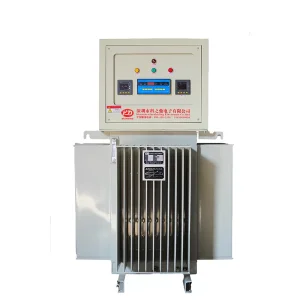
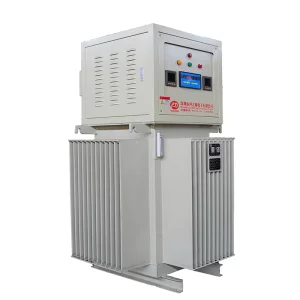
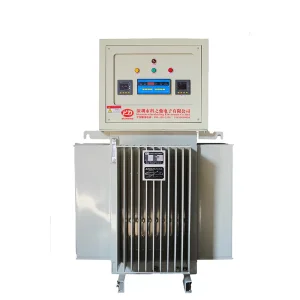
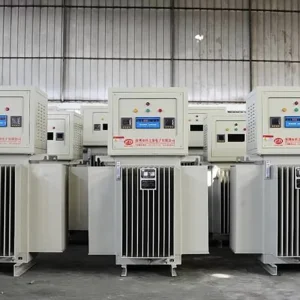
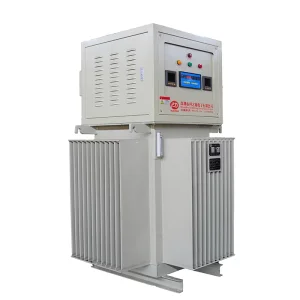
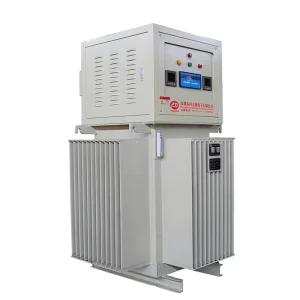
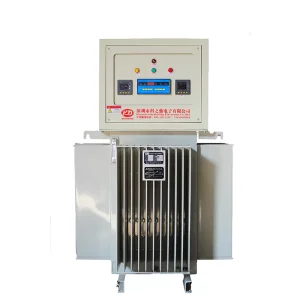
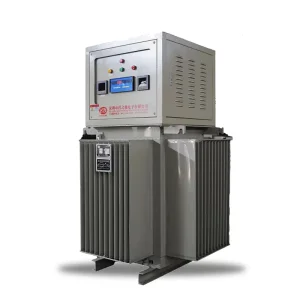
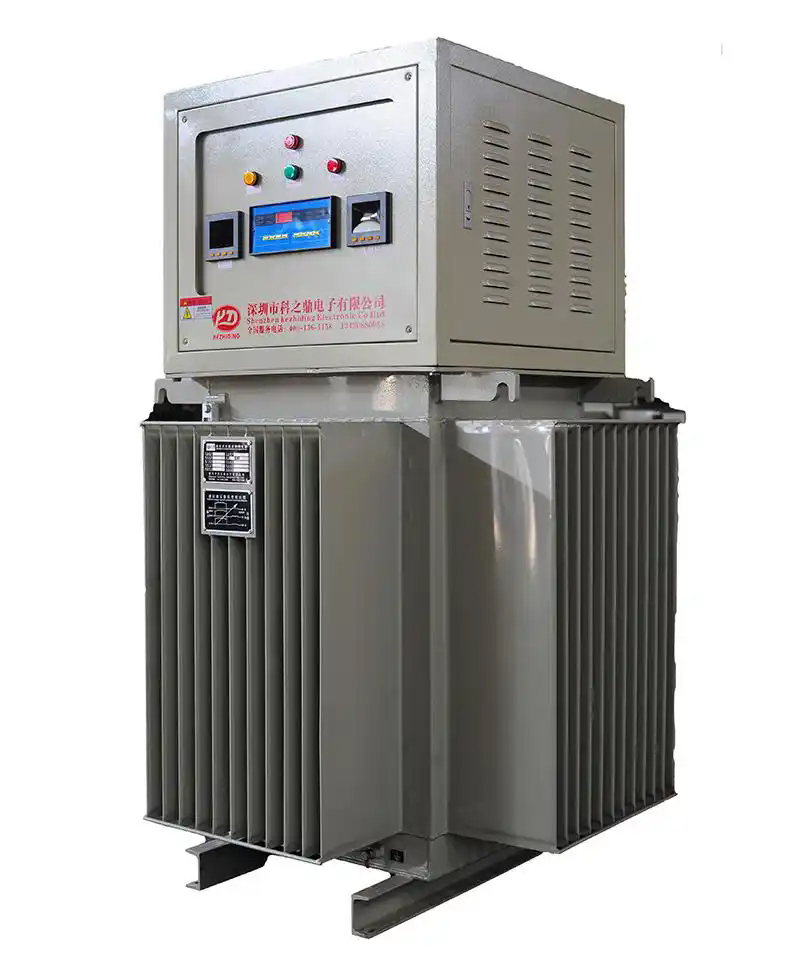
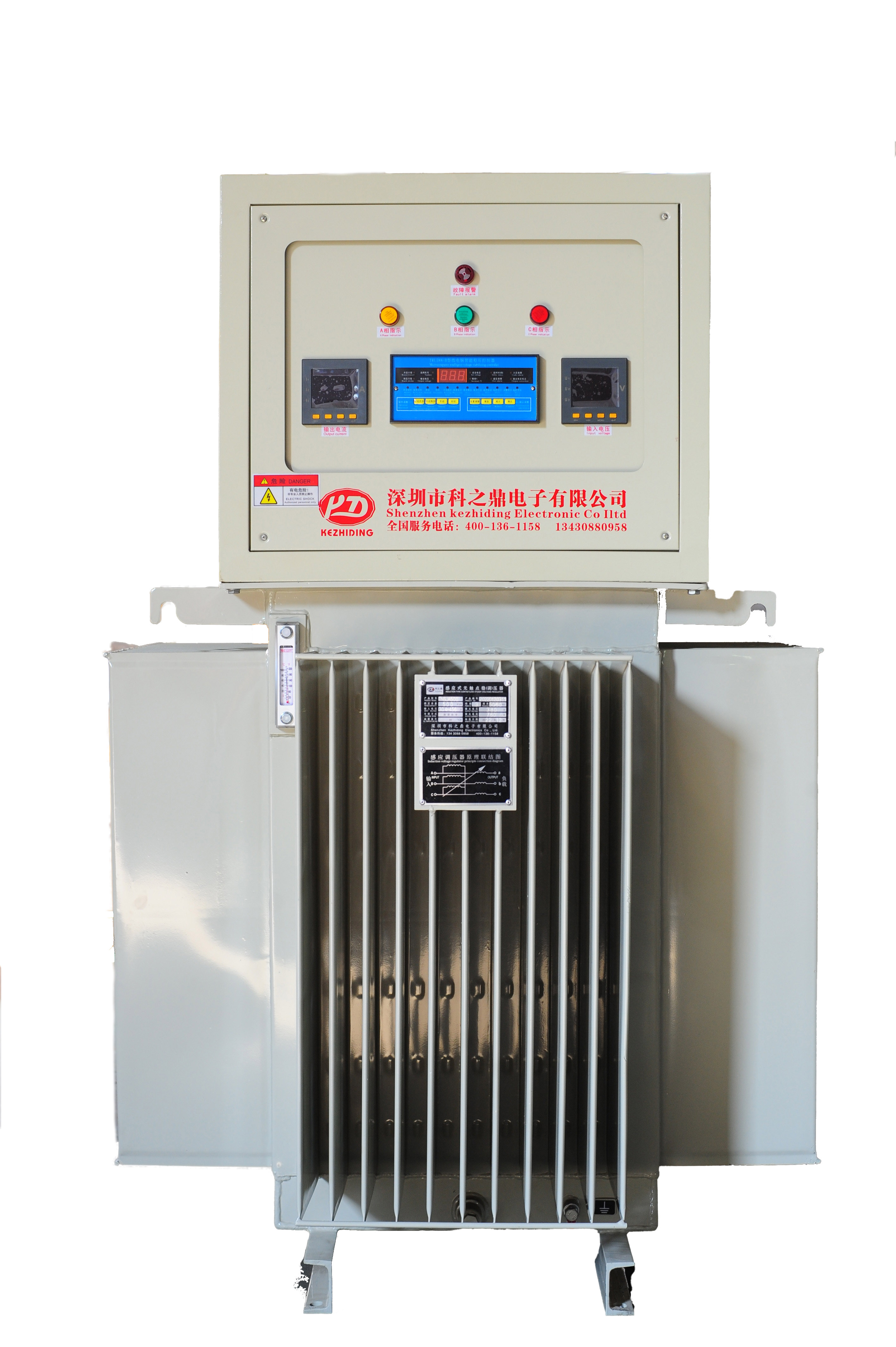
Additionally, modern semiconductor and manufacturing plants cannot tolerate sudden grid voltage sags or swells. These facilities pair 11kV step-down dry-type transformers with heavy-duty voltage stabilizers (such as oil-immersed stabilizers or digital regulator cabinets). This setup isolates internal automated assembly lines from transient distribution lines, preventing expensive production stoppages.
In wind and solar applications, distribution equipment must withstand variable cyclic loads, high harmonics from power electronics, and harsh outdoor climates. Under these conditions, the transformer must be resistant to thermal stress and mechanical fatigue. Cast resin variants are excellent here, preventing the entry of condensation, salt air, and airborne dust.
In heavy civil works, such as rail infrastructure, subterranean tunnels, and marine operations, the key requirements are minimal maintenance, fire safety, and compact footprint. VPI or CRT dry-type transformers fit directly inside containerized mobile substations. These setups are designed to step down utility distribution feeds right at the point of consumption, minimizing low-voltage cable power drops.
A trusted global power solutions provider under the Kaohsiung Ding Sheng Group (Taiwan).
Located in the Jinbolong Industrial Zone in Shenzhen, Shenzhen Kezhiding Electronic Co., Ltd. is a high-tech enterprise operating under the Kaohsiung Ding Sheng Group of Taiwan. Leveraging decades of deep engineering expertise in power transmission, voltage regulation, and magnetic component design, the company provides end-to-end services covering research, design, production, global logistics, and support.
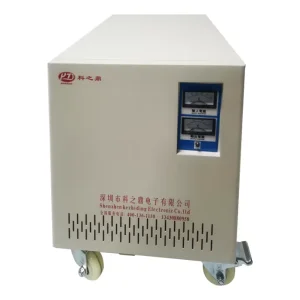
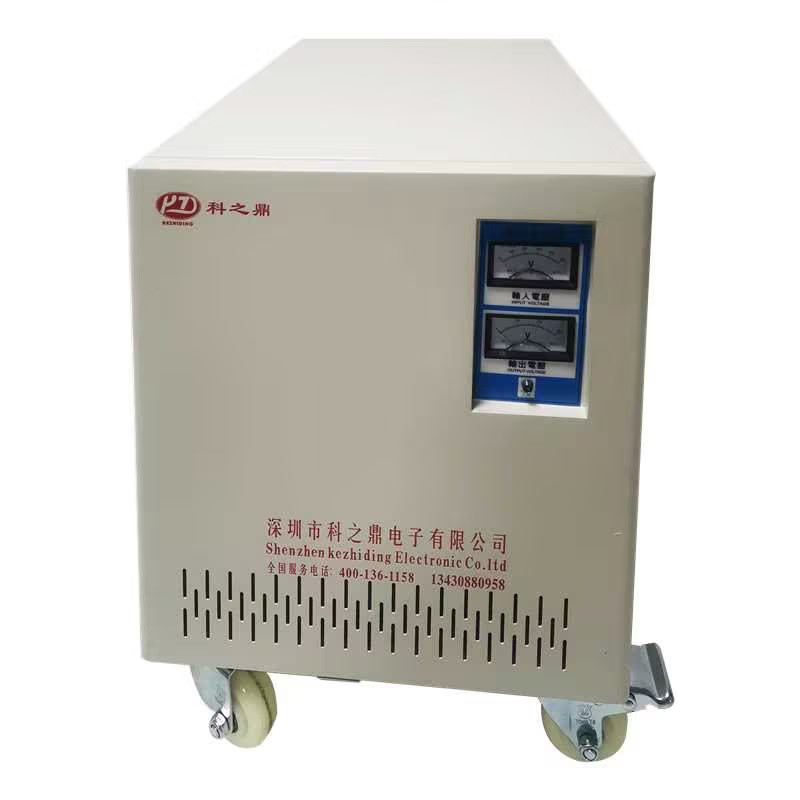
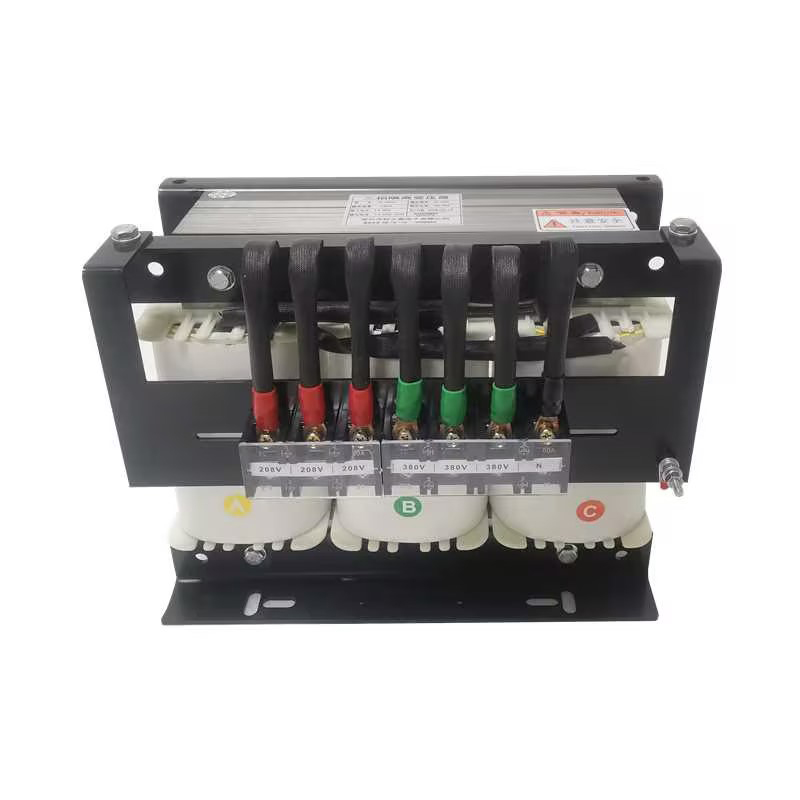
The company focuses on high-reliability voltage regulation and electrical transformation systems. Their portfolio includes three-phase dry-type transformers, auto-transformers, specialized non-standard industrial voltage stabilizers, oil-immersed voltage regulators, high-power UPS systems, and specialized tunnel power boosters. They support custom configurations and standardized productions, serving demanding high-tech applications, including CNC machining hubs, precision medical diagnostics, tunnel engineering projects, and industrial manufacturing plants.
Guided by the core principle of "people-oriented, quality-first", Kezhiding implements strict quality controls from component sourcing through final testing. This commitment ensures high efficiency and reliable equipment performance, earning the trust of developers and plant managers worldwide. Today, Kezhiding products serve the domestic Chinese market and are exported to Southeast Asia, India, Africa, and the Middle East.
Key technical and selection answers compiled by our senior engineering team.
Cast Resin Transformers (CRT) encapsulate the windings in a solid block of epoxy resin under a vacuum. This makes them highly resistant to moisture, dust, and corrosive chemicals, making them ideal for humid or harsh environments. Vacuum Pressure Impregnated (VPI) transformers use a polyester resin cured under pressure, which offers excellent mechanical strength and high thermal tolerance (often Class H or C), making them well-suited for high vibration and cyclic loading applications.
Dry-type transformers are inherently self-extinguishing. They use solid insulation materials that do not support combustion, eliminating the risk of oil fires or toxic liquid spills. This allows them to be installed inside buildings, basement vaults, and close to load centers without requiring expensive fire suppression systems or containment barriers.
Dry-type transformers require very little maintenance compared to oil-immersed systems, as they do not need oil level checks or oil filtration. Standard maintenance is generally limited to periodic visual inspections, checking connection tightness, cleaning the cooling vents of dust or debris, and verifying the operation of thermal sensors and cooling fans.
A K-factor rating measures a transformer's ability to handle harmonic currents generated by non-linear electronic loads, such as computer servers, variable frequency drives, and LED lighting. Transformers with appropriate K-factor ratings are designed with thicker conductors and optimized magnetic cores to prevent overheating caused by harmonic-induced eddy currents.
These classes designate the maximum temperature the insulation system can withstand before degrading. Class F is rated for up to 155°C (with a nominal 100K rise), while Class H is rated for up to 180°C (with a nominal 125K rise). Selecting a Class H insulation system provides a higher thermal safety margin and a greater overload capacity during peak demand periods.
Complete your power management layout with precision voltage regulation and custom-wound conversion systems.