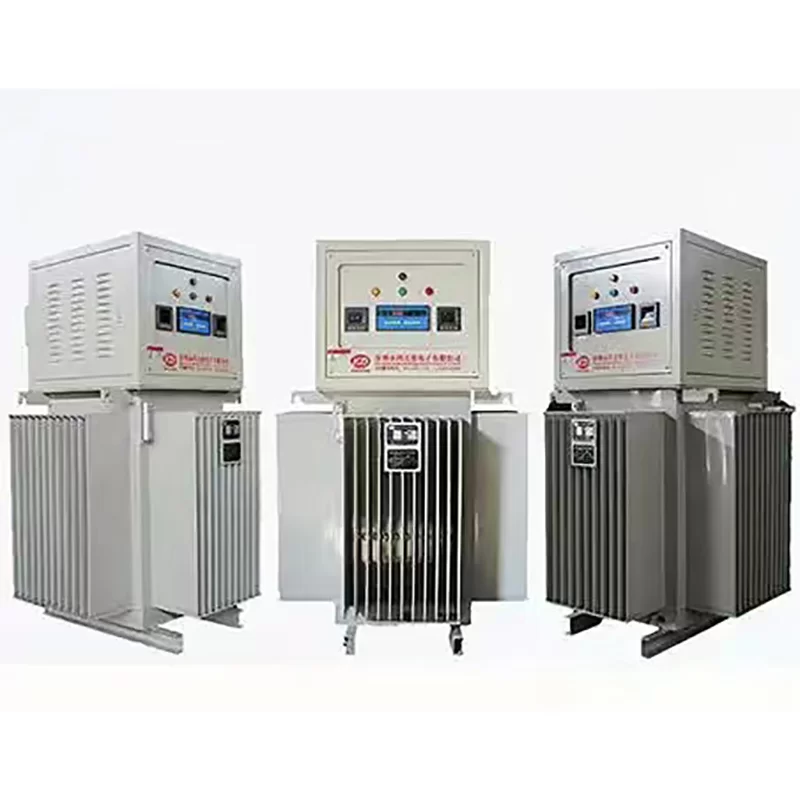
1 / 3
 kezhiding
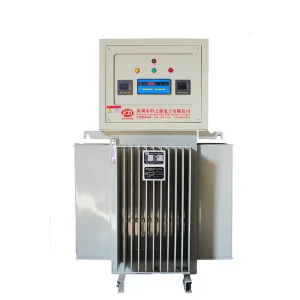
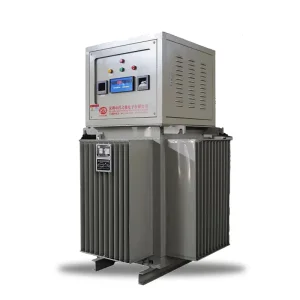
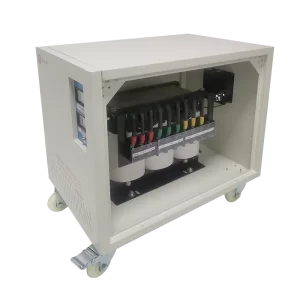
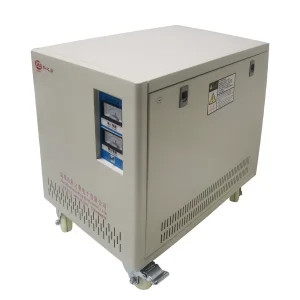
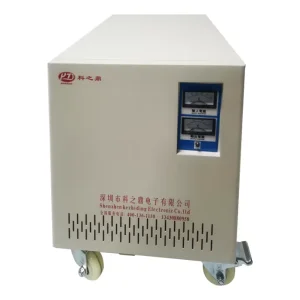
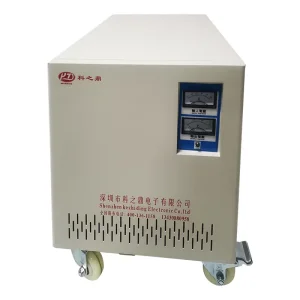
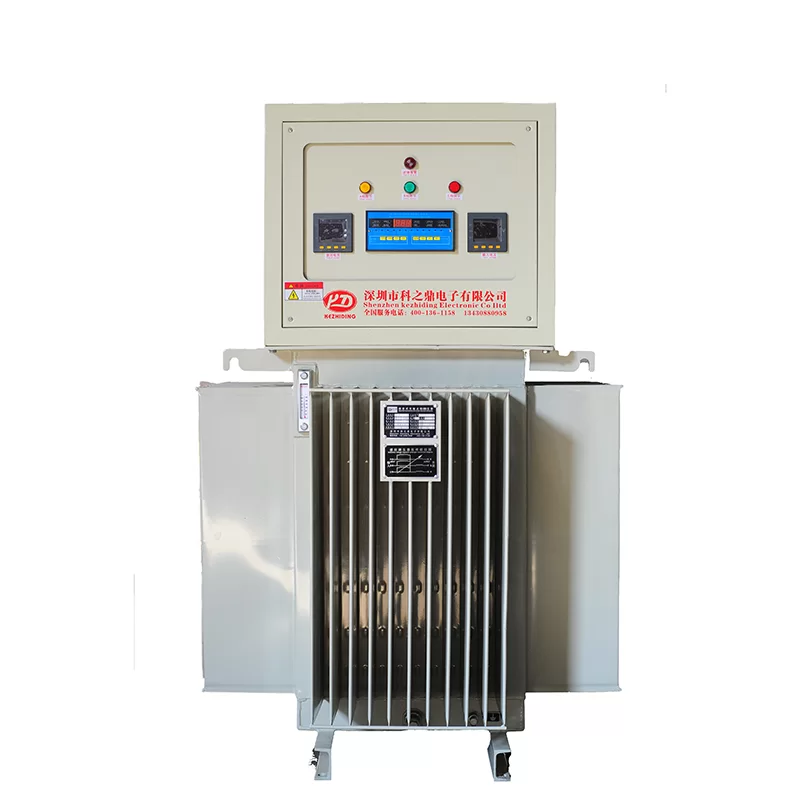
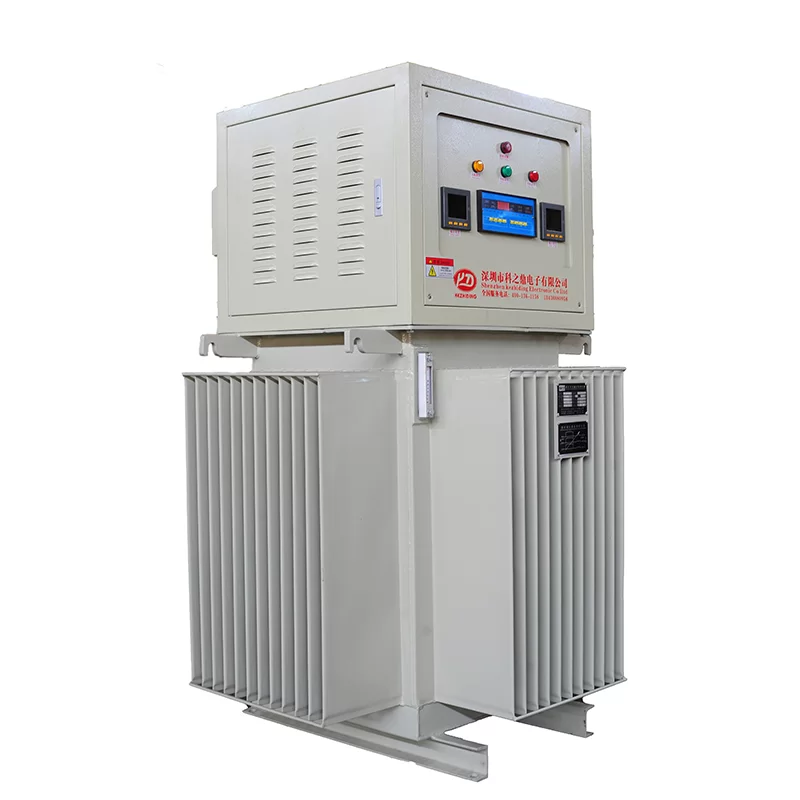
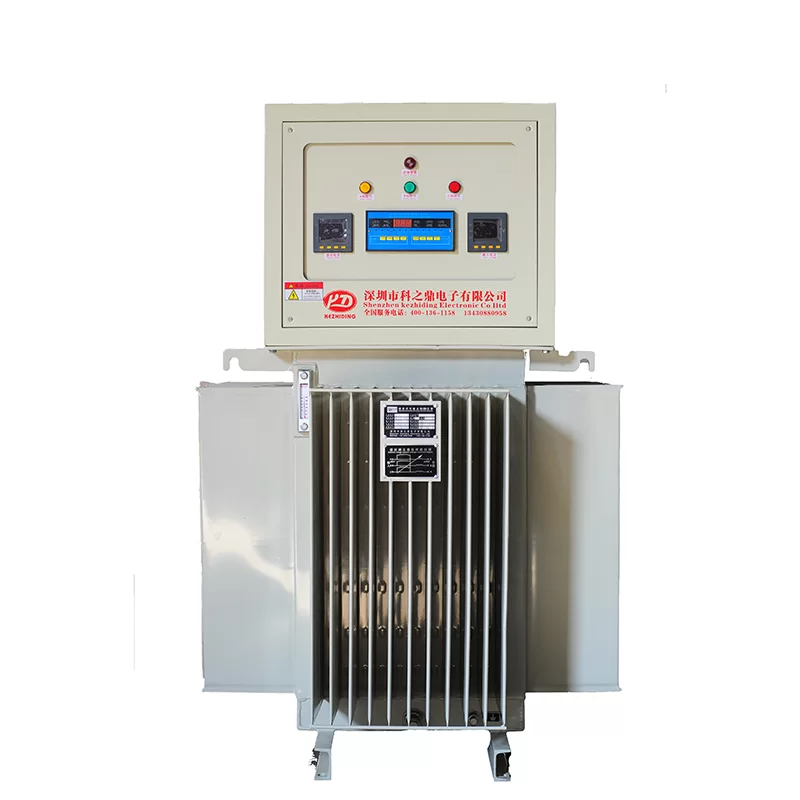
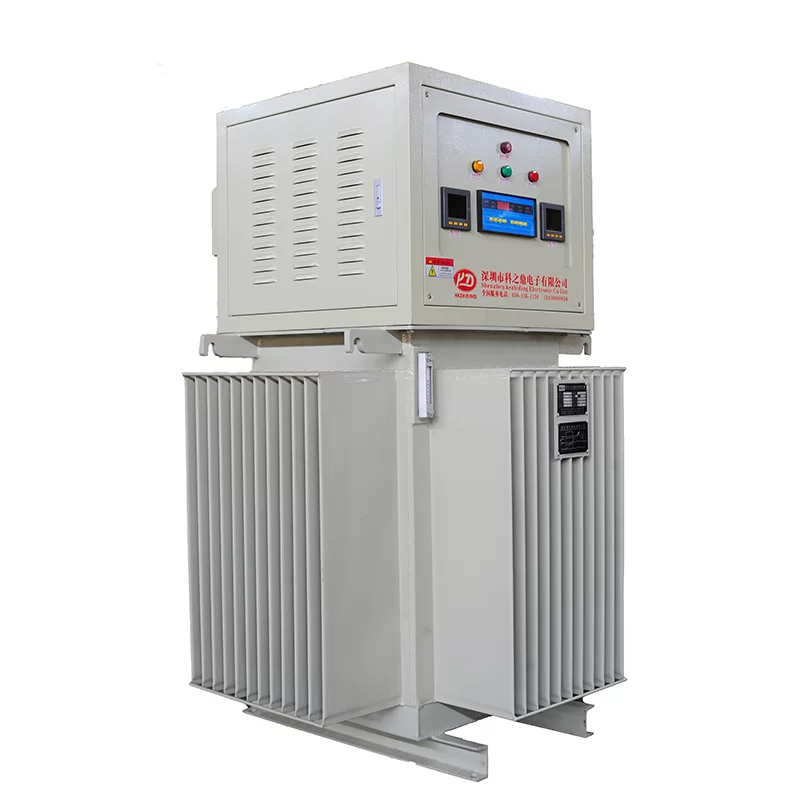
The Three Phase Oil Immersed Voltage Stabilizer (TNSJA Series) is a professional-grade industrial power conditioning solution meticulously engineered to deliver a constant AC voltage output. Specifically developed for demanding industrial environments, this system provides a critical defense mechanism against three-phase voltage fluctuations, ensuring that high-value electrical machinery and sensitive production lines operate within their precise optimal parameters.
By integrating state-of-the-art oil-immersion cooling with high-precision automatic regulation technology, the TNSJA series establishes a robust barrier against power grid instability. It monitors and adjusts output voltage in real-time, effectively eliminating equipment downtime and significantly extending the operational lifespan of connected loads, making it an indispensable asset for critical power infrastructure in the manufacturing and energy sectors.
| Product Series | TNSJA Series | Phase Type | Three Phase |
|---|---|---|---|
| Cooling Method | Oil Immersed | Regulation Type | Automatic Voltage Regulation (AVR) |
| Application | Industrial Power Grid | Output Stability | High Precision Constant Voltage |
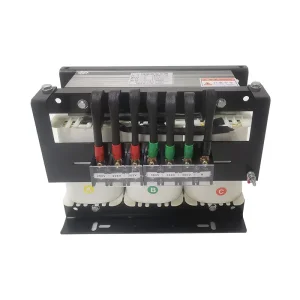
| Core Material | High-Grade Electrical Steel | Insulation Class | Standard Industrial Grade |
| Operation Mode | Automatic/Manual | Input Voltage Range | Customizable based on Load |
Safeguards expensive industrial machinery from sudden voltage surges and sags, dramatically reducing failure rates.
Advanced oil-immersion technology ensures efficient heat dissipation, prolonging the device's operational longevity.
Delivers a stable and precise output voltage regardless of the input fluctuations originating from the grid.
Real-time monitoring and instant adjustment eliminate the need for manual intervention during power shifts.
Designed for heavy-duty use, ensuring consistent performance even in the most demanding industrial environments.
Efficient power conversion reduces overall energy waste and lowers long-term operational costs for the facility.
Track real-time power consumption and load distribution across the three phases for optimal balance.
Precision adjust voltage thresholds and sensitivity settings to match specific equipment requirements.
Instant notification system for over-voltage or under-voltage critical failures to ensure rapid response.
Integrated temperature monitoring for the oil-immersion system to prevent overheating and degradation.
Scheduled diagnostic checks to ensure the stabilizer is operating at peak efficiency and safety levels.
Full support for remote management protocols to oversee multiple units from a centralized control hub.
| Comparison Factor | Standard Stabilizer | TNSJA Oil-Immersed |
|---|---|---|
| Maintenance Cycle | Frequent (Air-cooled) | Extended (Oil-cooled) |
| Equipment Lifespan | Standard | Significantly Increased |
| Voltage Precision | Moderate | Ultra-High Precision |
| Operational Downtime | Moderate Risk | Minimized Risk |
| Long-term ROI | Lower Efficiency | Maximum Capital Protection |
Oil-immersed stabilizers offer superior heat dissipation and electrical insulation, making them significantly more durable and efficient for high-capacity industrial applications compared to air-cooled units.
Manufacturing plants, chemical refineries, data centers, and hospitals that rely on heavy machinery or sensitive medical equipment typically require three-phase stabilization to ensure operational stability.
The system utilizes automatic voltage regulation (AVR) to detect spikes instantly and adjust the output to a safe, constant level, effectively preventing damage to the connected electrical load.
We use high-grade industrial insulating oil. While chemically stable, it should be handled and disposed of according to your local environmental regulations during maintenance periods.
Yes, the TNSJA series is designed to be installed between the main power supply and the load equipment, making integration straightforward for most industrial electrical grids.
Due to the superior cooling efficiency of oil, maintenance intervals are longer than air-cooled systems, typically requiring periodic oil level checks and quality testing every 1-2 years.