 kezhiding
kezhiding
kezhiding
Explore our engineering-grade industrial equipment built for high efficiency, complete electrical isolation, and advanced voltage regulation.
Understanding the shift from liquid-filled systems to highly sustainable, explosion-proof dry insulation technologies.
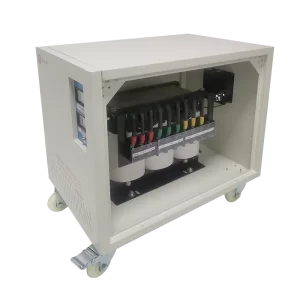
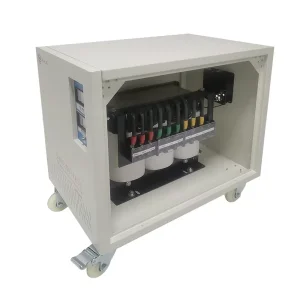
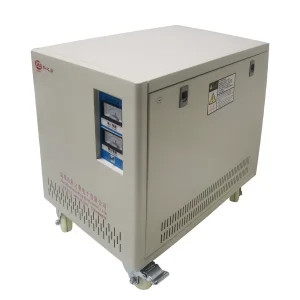
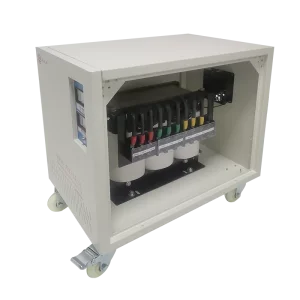
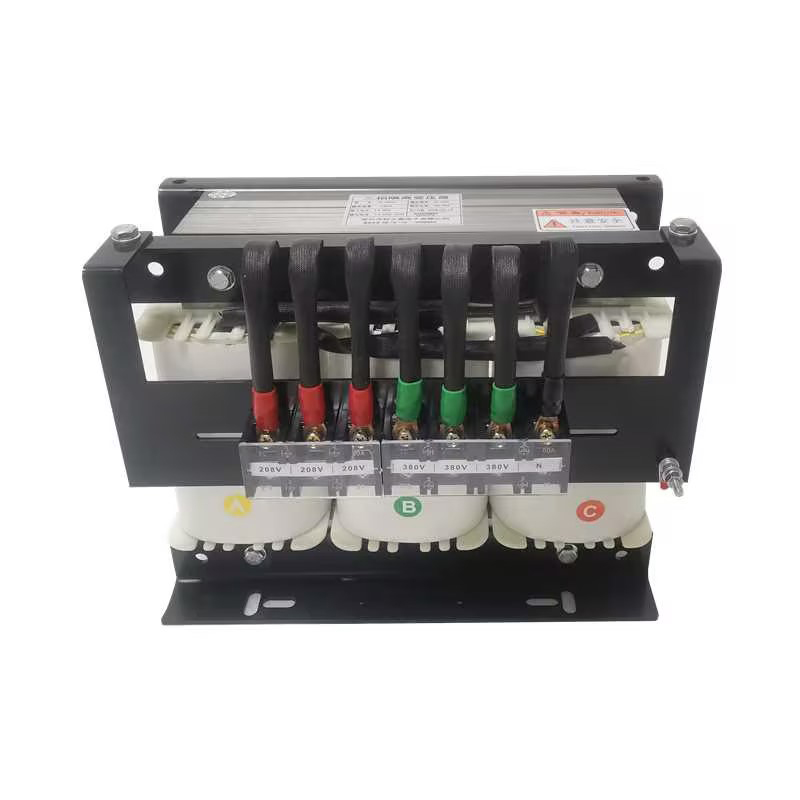
Modern electrical networks demand absolute fire safety and zero hazardous emissions. Liquid-filled transformers pose substantial hazards due to the flammability of dielectric oils. Three-phase dry-type transformers eliminate this risk entirely, utilizing solid-state, non-toxic insulation media. This makes them highly suitable for multi-story buildings, dense urban zones, underground tunnels, and marine vessels where fire suppression options are limited.
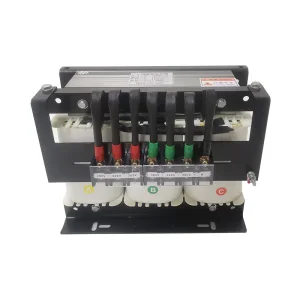
Our Vacuum Pressure Impregnated (VPI) designs feature high-grade Class H and Class F insulation (operating at up to 180°C and 155°C temperature rises respectively). This ensures the structural integration of copper/aluminum windings under cycling load peaks. By exposing the transformer core and coils to deep vacuum conditions before injecting premium polyester resin, we ensure all micro-cavities are sealed, mitigating partial discharge and premature aging.
Utilizing high-permeability Cold-Rolled Grain-Oriented (CRGO) silicon steel sheets enables us to drastically reduce core losses (no-load losses). Combined with precise electromagnetic coil layering, our 3-phase dry-type transformers achieve up to 99% operational efficiency, satisfying strict eco-efficiency regulations such as the EU Tier 2 and US DOE limits.
From moisture absorption in high-humidity coastal zones to mechanical stresses induced by heavy vibrating machinery, dry-type systems act as robust barriers. Cast resin configurations block the penetration of atmospheric pollutants, making them immune to tracking and corrosion in harsh, dust-laden manufacturing areas.
Why Tier-1 global procurement divisions select Chinese manufacturers for critical power infrastructure projects.
The global electrical power ecosystem depends on continuous reliability, cost optimization, and speed-to-market. China's physical transformer manufacturing centers, specifically in technological hubs like Shenzhen, offer structural benefits that cannot be matched elsewhere:
Chinese factories are located adjacent to the world's most advanced steel mills producing premium CRGO (Cold-Rolled Grain-Oriented) silicon steel. This proximity, coupled with immediate access to ultra-high-purity copper and specialized structural insulation materials, removes overseas transport bottlenecks and keeps raw material costs down. Crucially, these savings are passed directly to our enterprise clients.
Unlike rigid automated production lines in western countries that charge heavy premiums for custom vector configurations or non-standard voltage ranges (e.g., 380V to 220V conversion with specific phase shifting), our physical factory supports deep engineering customization. We tailor magnetic cores, cooling options, and physical dimensions to fit space-constrained machinery layouts, tunnel drilling rigs, and complex medical imaging systems.
Leading Chinese exporters do not compromise on quality. By strictly adhering to international certification bodies including CE, UL, IEC 60076, and IEEE standards, factories ensure that every 3-phase dry transformer is fully certified before export. Rigorous testing procedures, including partial discharge detection, impulse voltage testing, and heat run trials, ensure that our products perform reliably in high-stakes operational environments worldwide.
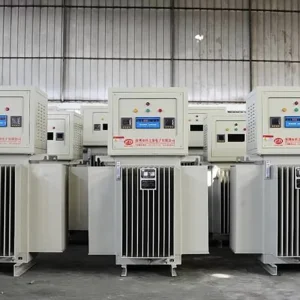
By investing heavily in CNC winding machinery, automated vacuum pouring chambers, and digital testing bays, Chinese factories optimize production flow. This allows us to deliver high-capacity industrial dry-type systems within brief lead times, preventing costly project delays for EPC contractors, grid modernization engineers, and factory construction teams.
Shenzhen Kezhiding Electronic Co., Ltd., located in the Jinbolong Industrial Zone of Shenzhen, stands as a high-tech enterprise operating under the prestigious Kaohsiung Ding Sheng Group in Taiwan. Utilizing decades of expertise in the power electronics field, we deliver a full-chain service system. This integrates state-of-the-art research & development, advanced physical manufacturing, international sales, and real-time after-sales support into one unified brand.
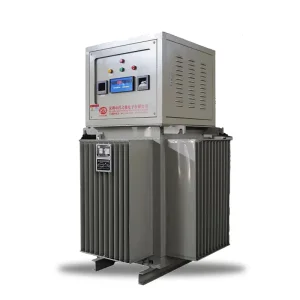
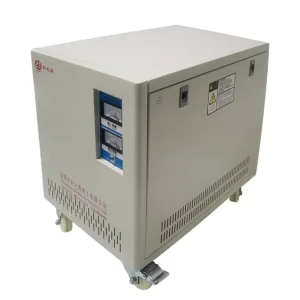
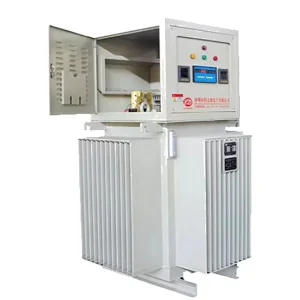
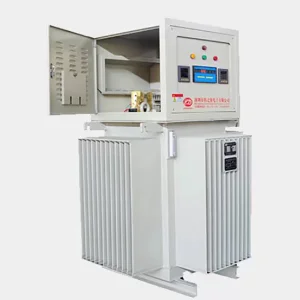
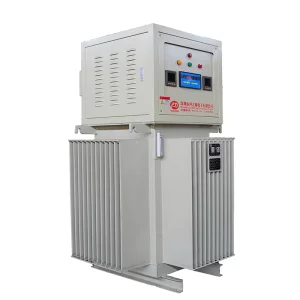
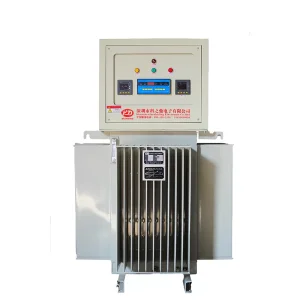
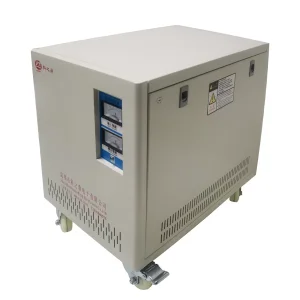
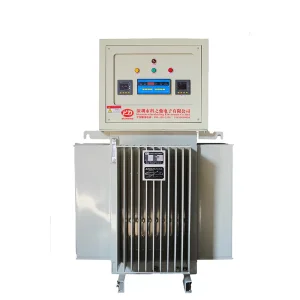
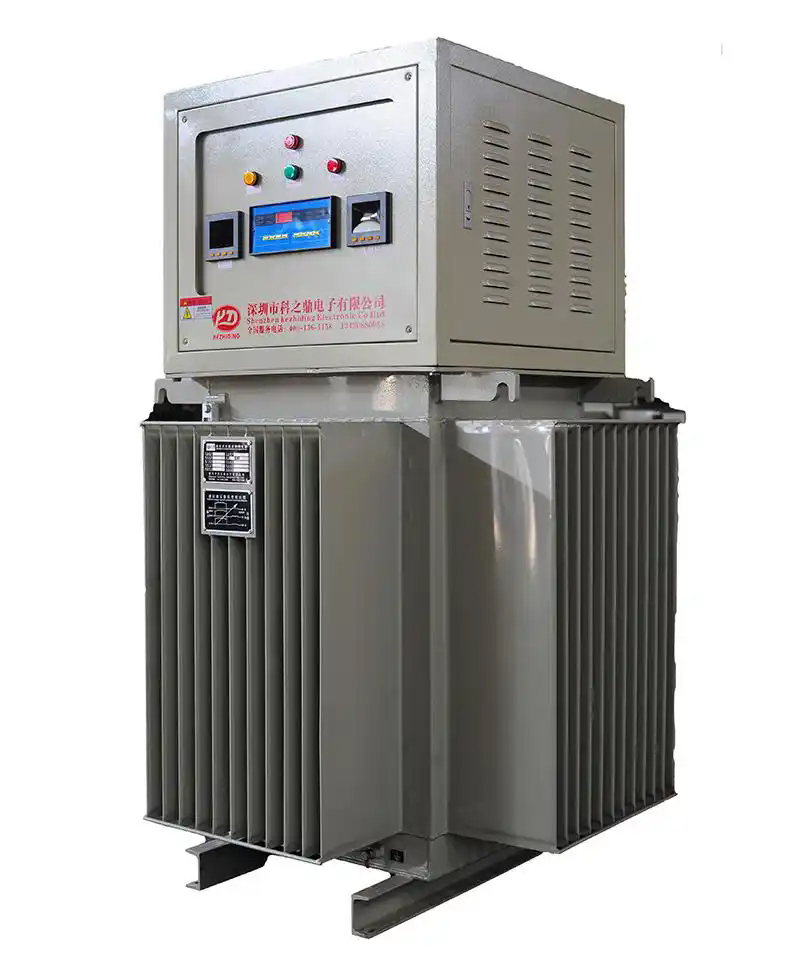
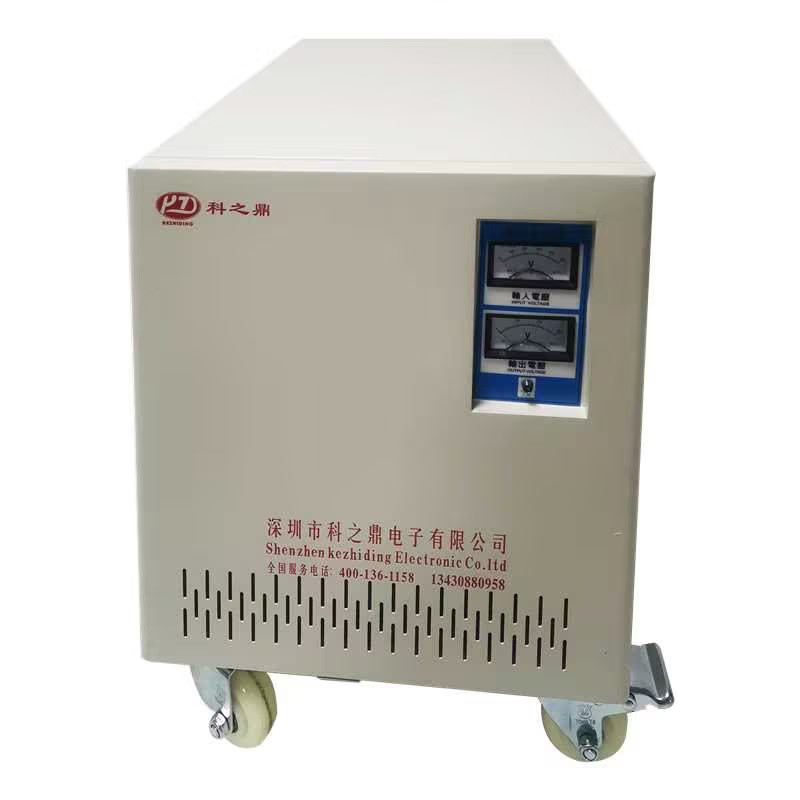
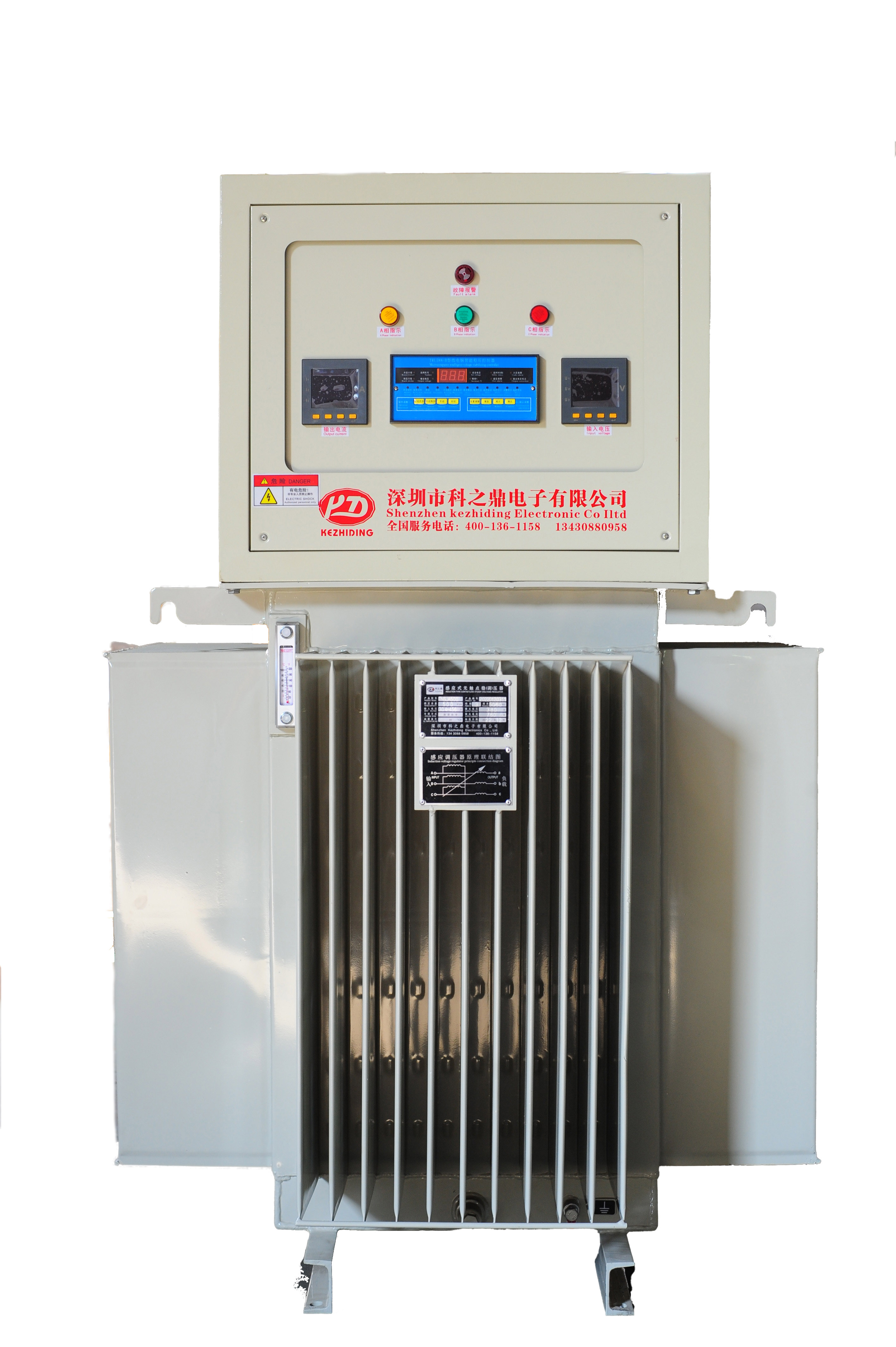
Our comprehensive production footprint centers on advanced power equipment. This range includes various industrial voltage regulators, isolation transformers, non-standard voltage regulators, integrated voltage-transformer machines, high-power uninterruptible power supplies (UPS), and dedicated tunnel voltage boosters. Whether configuring systems for precision CNC systems, complex medical imaging facilities, or heavy civil engineering projects like tunnel ventilation, our customizable and standardized setups consistently deliver stable, clean power.
Guided by the principle of "people-oriented, quality-first", we apply strict quality assurance tracking from initial core design to final packaging. Our globally-distributed client base spans across mainland China and extends into Southeast Asia, India, Africa, the Middle East, and beyond.
Deploying robust electrical designs to resolve voltage instability, harmonic distortions, and insulation breakdown across diverse sectors.
Our step-up dry-type transformers connect wind turbines and solar photovoltaic arrays to medium-voltage transmission grids. These systems are specifically designed to handle cyclic loading profiles, harmonics generated by solar inverters, and transient overvoltages from utility switching operations.
Hyper-scale data centers rely on clean, continuous power to avoid costly downtime. Our isolation transformers prevent electrical noise and common-mode transients from corrupting microprocessors, while our high K-factor designs safely handle non-linear loads without overheating.
Fluctuating source voltages can damage expensive CNC machine tools and sensitive MRI or CT scanners. We build integrated voltage-transformer systems that stabilize input voltages and adjust them to the precise operating levels required by European, American, or Asian machinery (such as 380V to 220V steps).
Tunnel drilling and mining projects face severe voltage drops due to long cable lengths. Our custom tunnel boosters and rugged dry-type transformers step up the voltage at the source and step it down safely at the tunnel face, ensuring high-power motors start reliably.
Where the global power distribution market is heading over the next decade.
Modern transformers are evolving from passive components into active, intelligent network nodes. By embedding fiber-optic temperature sensors, vibration analyzers, and smart digital controllers directly into the transformer housing, operations teams can monitor thermal profiles and insulation health in real time. This enables predictive maintenance, reduces unexpected downtime, and extends equipment service life.
Traditional silicon steel cores are increasingly being replaced by amorphous alloy materials in high-efficiency settings. Due to their random, non-crystalline atomic structure, amorphous metal cores reduce no-load losses (hysteresis and eddy currents) by up to 70% compared to standard materials. This helps grid operators and private developers meet strict international carbon reduction targets.
Environmental regulations are driving the development of fully recyclable dry-type transformers. Current VPI and cast-resin systems utilize non-hazardous resins that are highly self-extinguishing and generate minimal smoke or toxic fumes in a fire. Additionally, research into bio-resins is paving the way for next-generation transformers with a lower carbon footprint throughout their lifecycle.
As microgrids and electric vehicle fast-charging stations expand, there is growing interest in Solid-State Transformers. By combining high-frequency power electronics with compact electromagnetic cores, SSTs offer precise voltage control, active power factor correction, and a much smaller footprint than traditional magnetic systems. Standard 3-phase dry transformers will increasingly interface directly with these electronic networks.
Expert engineering insights regarding selection, installation, and custom design of 3-phase dry-type transformers.
Engineered for high performance, thermal stability, and seamless integration into demanding industrial electrical systems.