⚙️
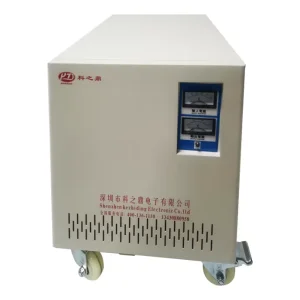
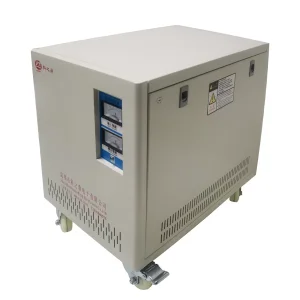
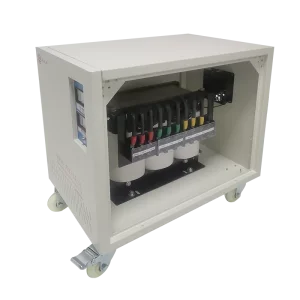
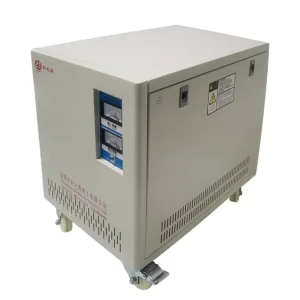
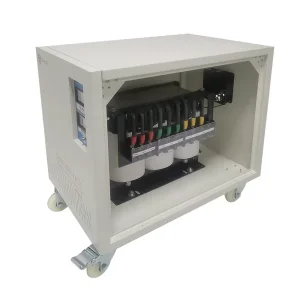
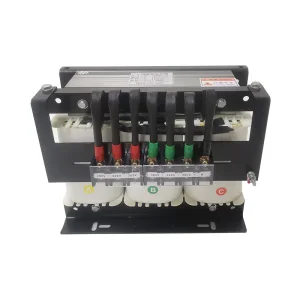
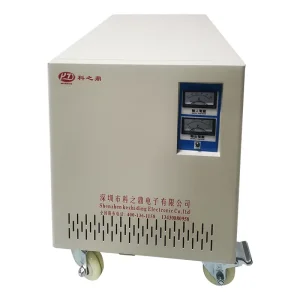
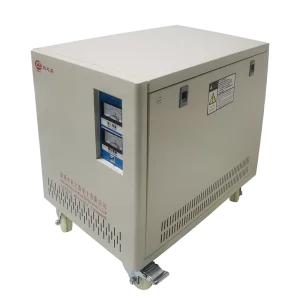
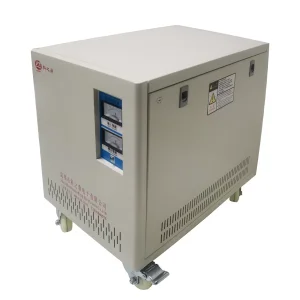
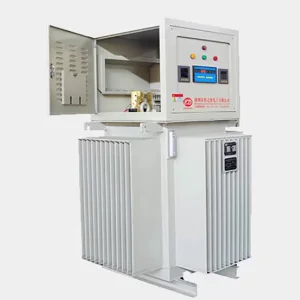
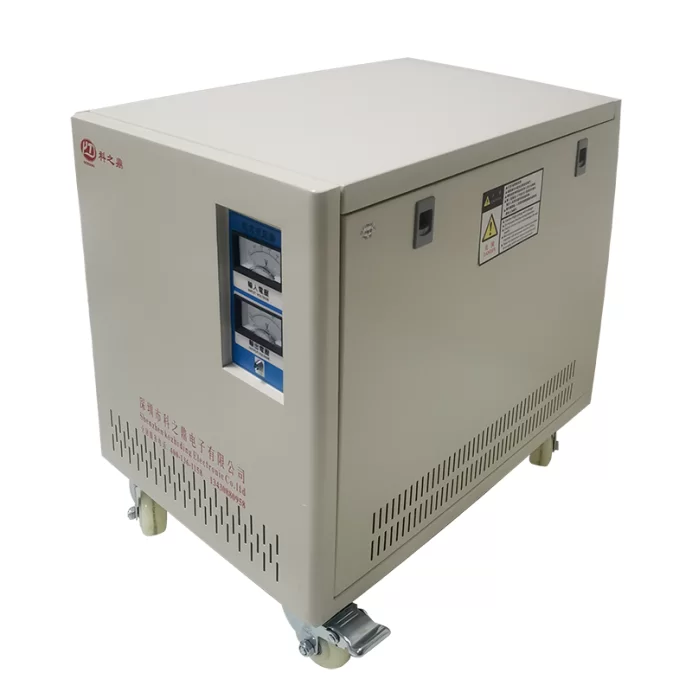
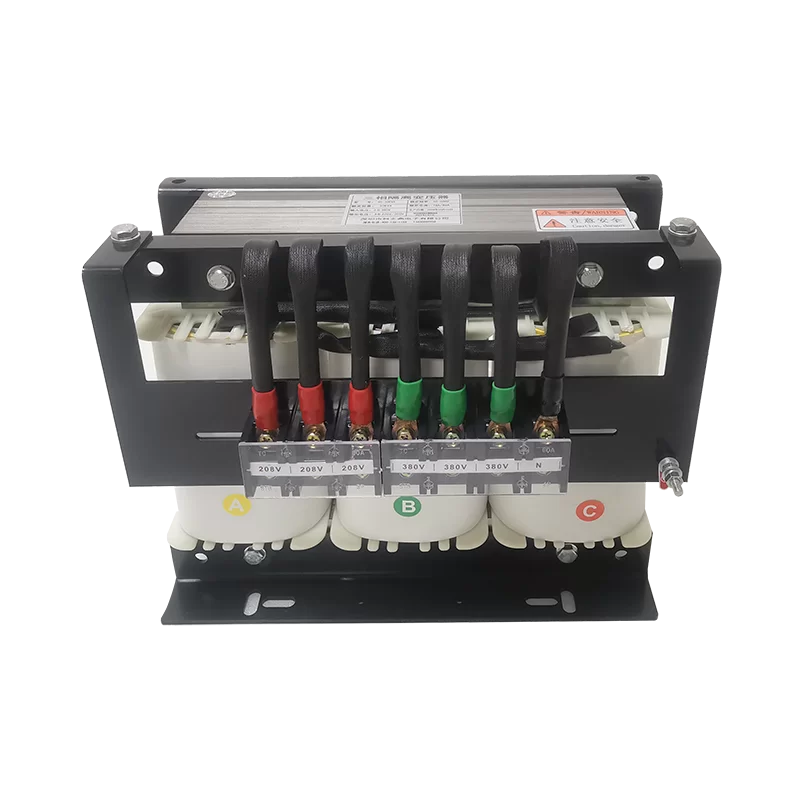
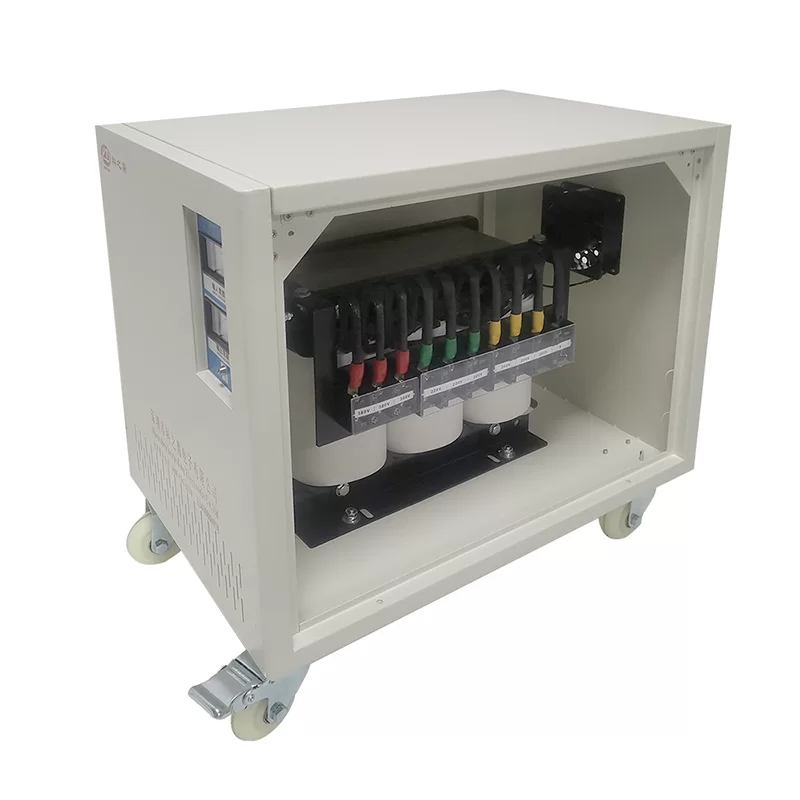
3-phase dry type transformers are voltage conversion devices used in three-phase AC power systems. Their main function is to convert the input high voltage into low voltage or to achieve isolation and matching between different voltage levels.
Core Feature: The core feature of three-phase dry-type transformers is the "dry" design. Instead of using insulating oil as a cooling medium, they rely on natural air convection or forced air cooling. This fundamentally eliminates the risks of leakage and flammability and simplifies maintenance.
Frequently Asked Questions
What is the primary function of a 3-phase dry type transformer?
Its main function is to convert high input voltage into low voltage or provide electrical isolation and matching between different voltage levels within a three-phase AC power system.
How does the cooling system work in these transformers?
Unlike oil-filled units, dry-type transformers do not use insulating oil. They utilize natural air convection or forced air cooling to manage operating temperatures.
Are dry-type transformers safer than oil-immersed ones?
Yes. The "dry" design fundamentally eliminates risks associated with oil leakage and flammability, making them safer for indoor environments and sensitive installations.
What are the maintenance advantages of the "dry" design?
The absence of cooling oil simplifies the maintenance process significantly, as there is no need for oil testing, filtering, or leak monitoring.
Where are 3-phase dry type transformers typically used?
They are widely used in three-phase AC power systems where safety and fire prevention are priorities, such as commercial buildings, hospitals, and industrial plants.
Does the "dry" design affect the voltage conversion capability?
No, it performs efficient voltage conversion and isolation just like other transformer types, but with the added benefits of air-based cooling and enhanced safety features.
 kezhiding