1 / 3
 kezhiding
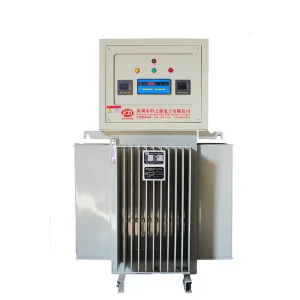
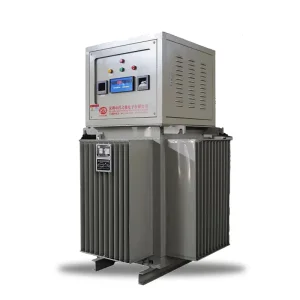
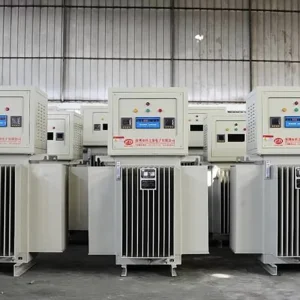
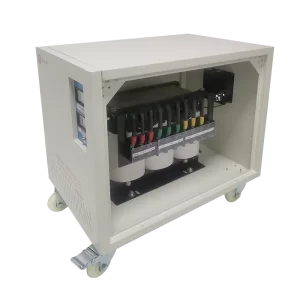
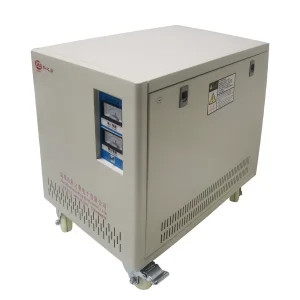
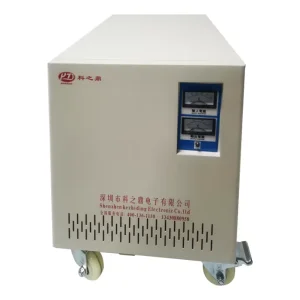
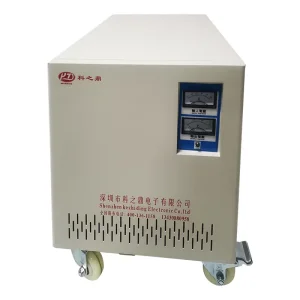
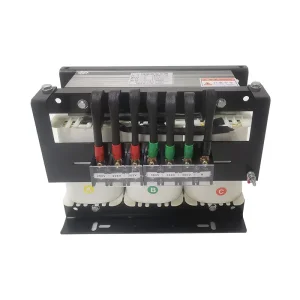
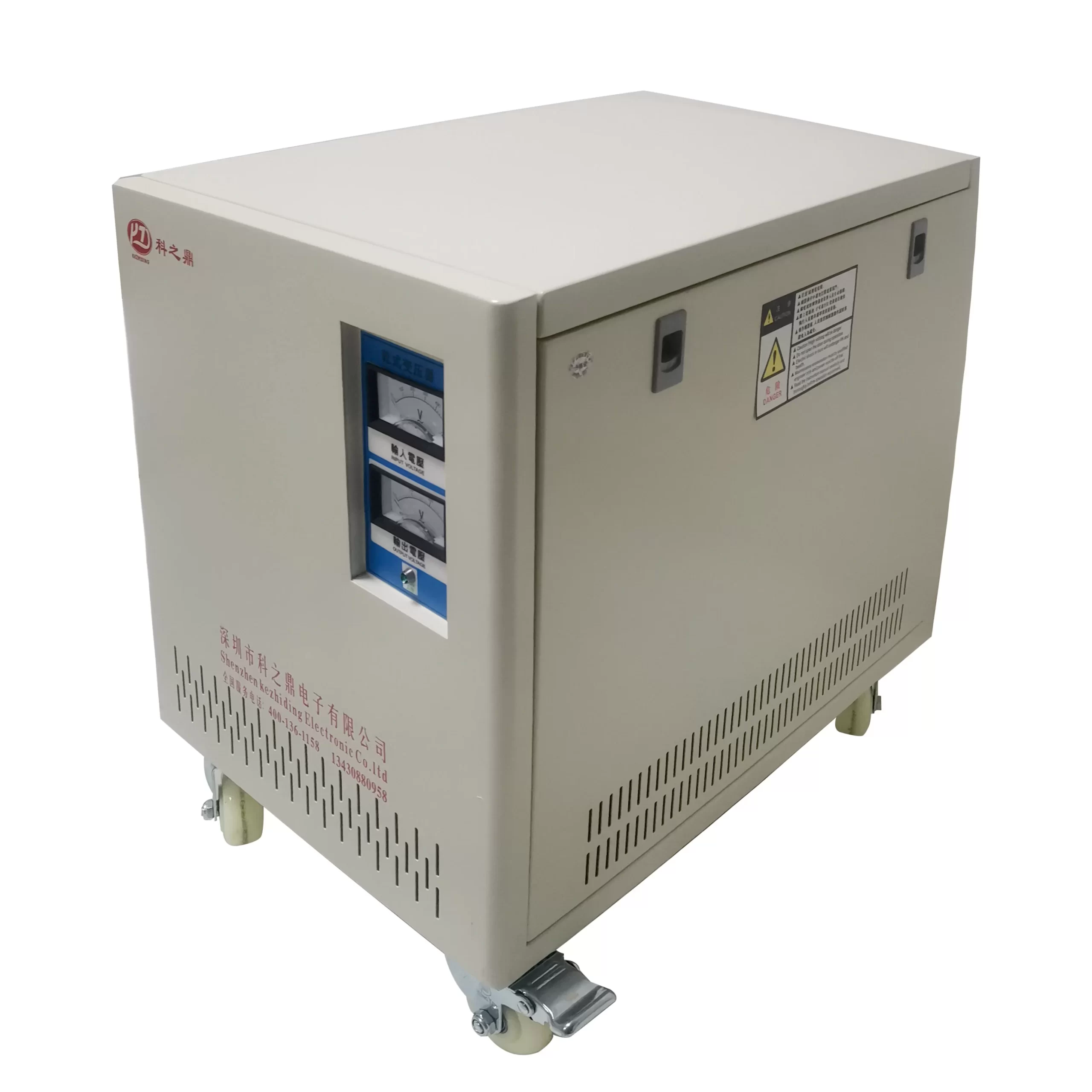
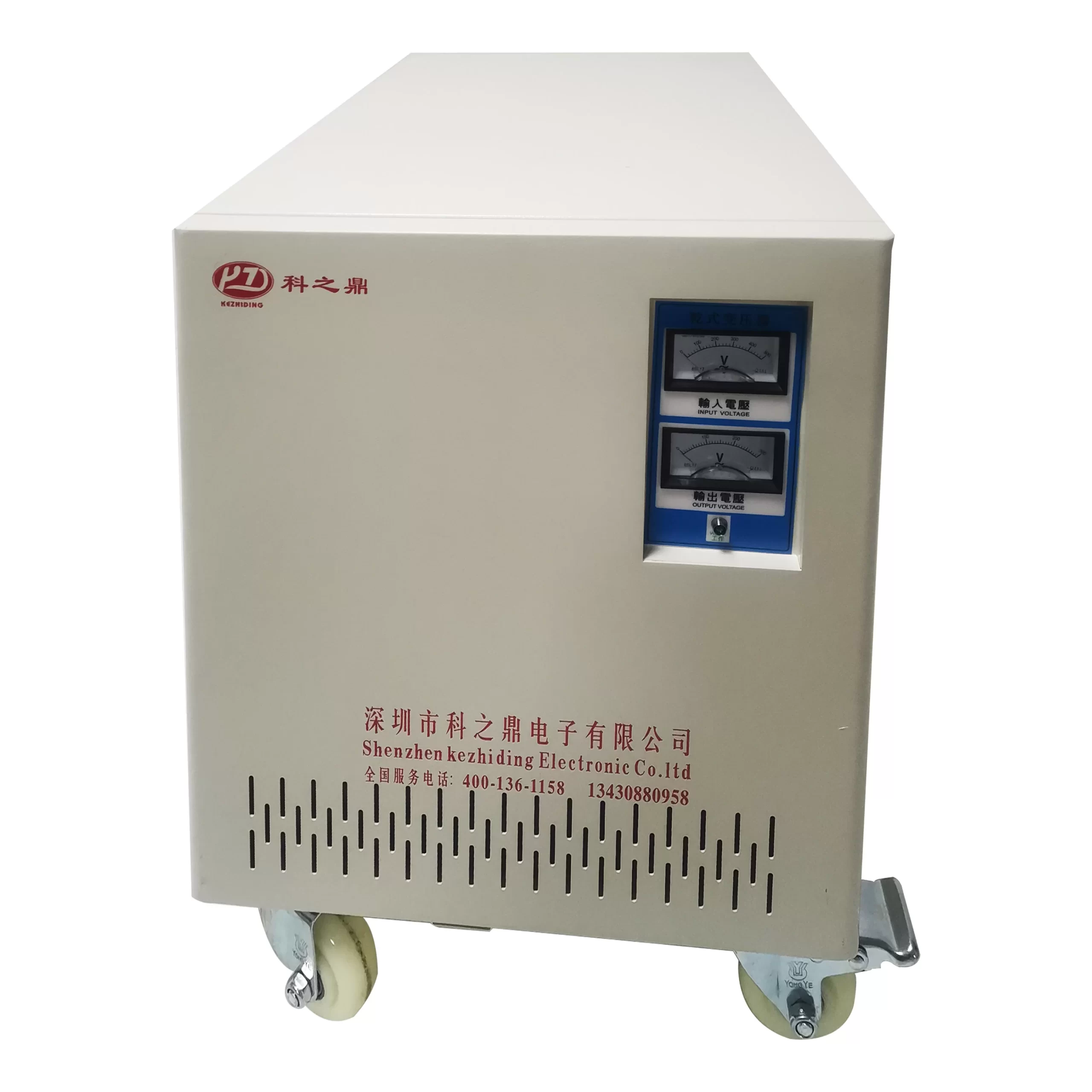
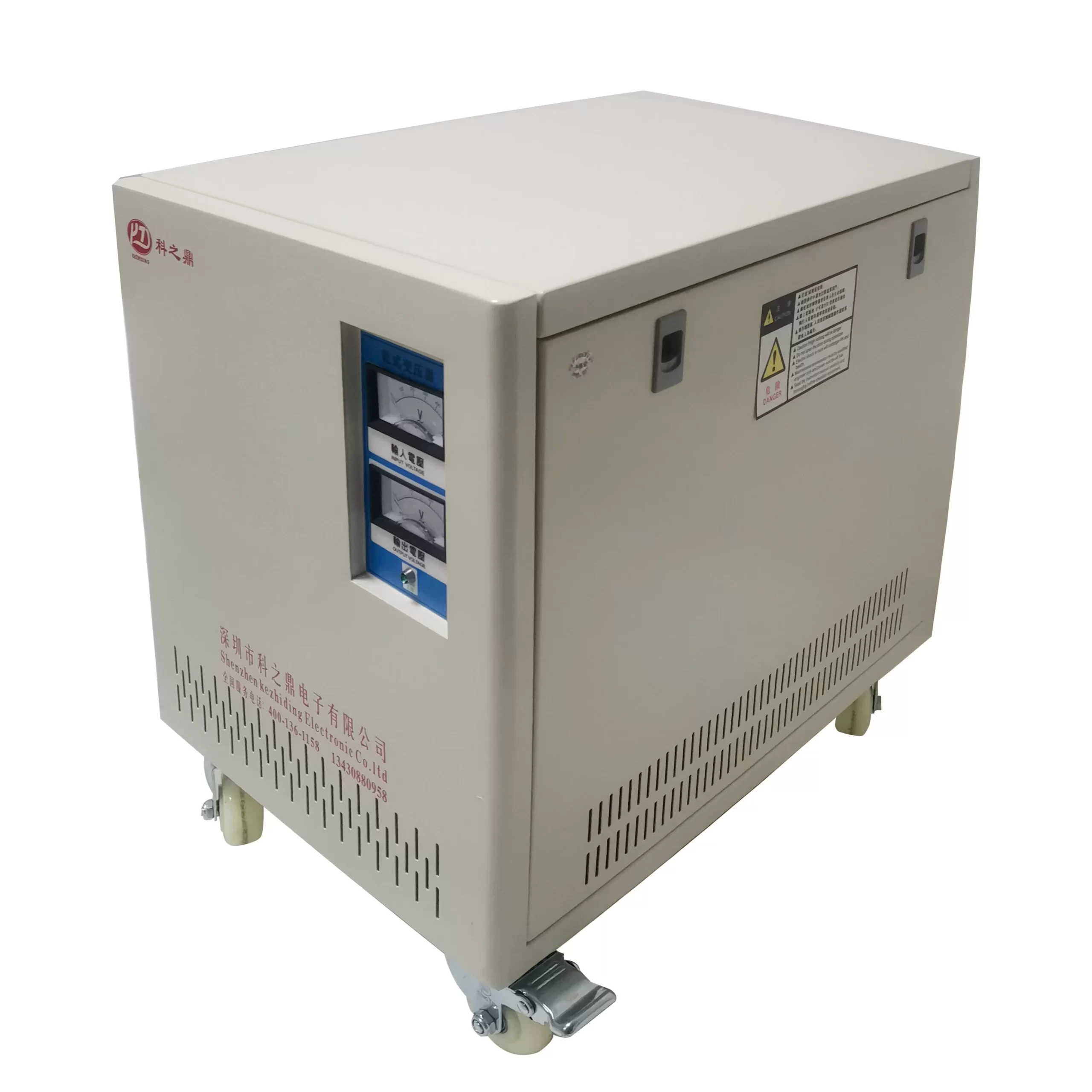
Our high-performance Power Transformers are engineered as essential static electrical devices, meticulously designed to efficiently convert alternating voltage and current between different values while maintaining a consistent frequency. By leveraging the core principles of Faraday's law of electromagnetic induction, these transformers provide the critical infrastructure necessary for stable and reliable power distribution across complex industrial and commercial electrical grids.
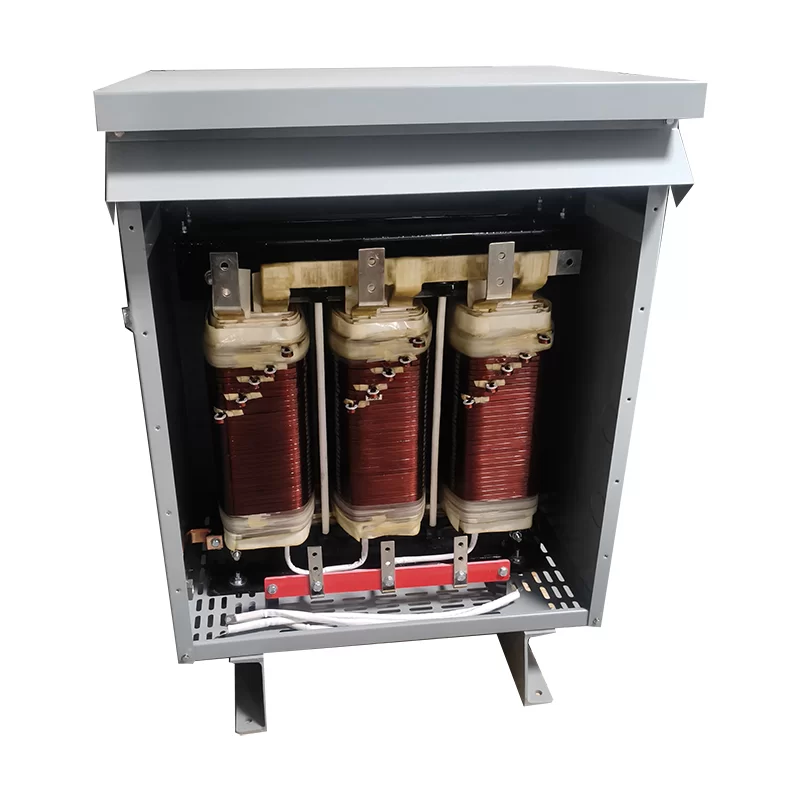
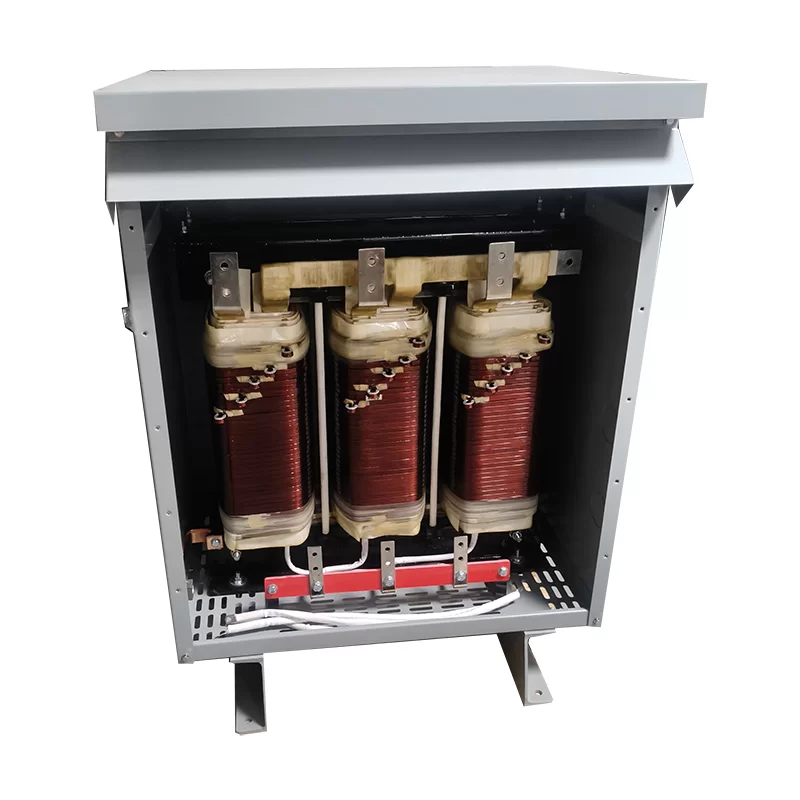
Operational excellence is achieved through the integration of precision-engineered iron cores and high-conductivity windings. When the primary winding is energized by an AC power supply, it generates a dynamic alternating magnetic flux that passes through the secondary windings, inducing the exact electromotive force required for voltage transformation. This ensures maximum energy efficiency, systemic reliability, and superior performance for demanding power environments.
| Working Principle | Electromagnetic Induction (Faraday's Law) | Frequency Support | 50Hz / 60Hz Standard |
|---|---|---|---|
| Core Material | High-Grade Cold-Rolled Grain-Oriented Silicon Steel | Winding Type | Primary and Secondary AC Windings |
| Voltage Transformation | Step-up / Step-down Capabilities | Magnetic Flux Path | Closed-Loop Iron Core System |
| Cooling Method | Oil-Immersed / Air-Cooled Options | Insulation Class | Industrial Grade High-Temp Resistance |
| Application Scope | Power Distribution & Control Systems | Device Category | Static Electrical Equipment |
Engineered for consistent voltage output, significantly reducing the risk of power surges and expensive equipment failure.
Utilizing premium grade materials to minimize core losses and thermal degradation over decades of continuous operation.
Optimized electromagnetic flux paths ensure minimal energy waste during the voltage conversion process.
Accurate voltage regulation specifically tailored to meet the strict requirements of sensitive industrial machinery.
Built to withstand harsh environmental conditions, ensuring maximum uptime across diverse global climate zones.
Standardized footprints and terminals allow for seamless installation into existing power distribution grids.
Real-time monitoring of transformer stock and critical component availability.
Data-driven tools used to monitor efficiency and load distribution patterns.
Automated alerts for scheduled inspections to prevent unplanned system downtime.
Continuous temperature tracking to ensure operation within safe thermal limits.
Comprehensive tracking from initial deployment to eventual decommissioning.
Smart distribution of electrical loads to maximize overall transformer longevity.
| Feature Metric | Standard Transformers | Our Premium Series |
|---|---|---|
| Energy Loss Rate | Moderate (3-5%) | Ultra-Low (< 1.5%) |
| Maintenance Cycle | Every 12 Months | Every 24-36 Months |
| Average Service Life | 10-15 Years | 20-30 Years |
| Installation Cost | Standard | Optimized/Modular |
| Total Cost of Ownership | High (due to repairs) | Low (Efficiency Gains) |
It uses electromagnetic induction. An alternating current in the primary winding creates a changing magnetic flux in the iron core, which then induces a voltage in the secondary winding based on the turns ratio.
While a transformer converts voltage to a fixed value, a voltage regulator continuously maintains a constant voltage level despite fluctuations in load or input voltage.
The iron core provides a low-reluctance path for the magnetic flux, ensuring that the majority of the magnetic field generated by the primary winding reaches the secondary winding efficiently.
No, transformers require an alternating current (AC) to create the changing magnetic flux necessary for induction. DC would cause the core to saturate and could damage the device.
The most common causes include insulation breakdown due to overheating, moisture ingress, and overloading beyond the rated capacity of the device.
Capacity is determined by calculating the total peak load of your equipment and adding a safety margin (typically 20%) to account for future expansion and avoid overloading.