 kezhiding
kezhiding
kezhiding
Ghana, a beacon of economic growth in West Africa, faces unique challenges regarding power quality. With the rapid expansion of the Tema Industrial Enclave and the continuous growth of gold mining in Obuasi and Tarkwa, the demand for stable, surge-protected electricity has never been higher. Fluctuations in the national grid can lead to devastating downtime for manufacturing plants and medical facilities.
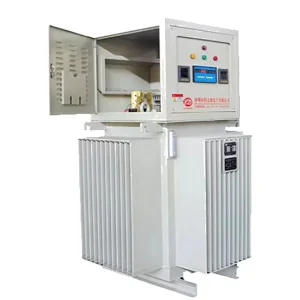
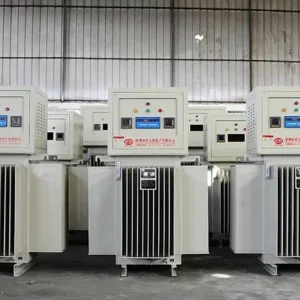
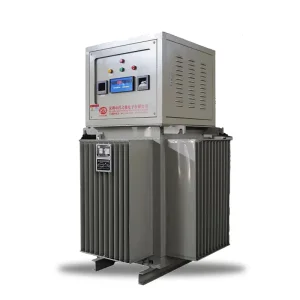
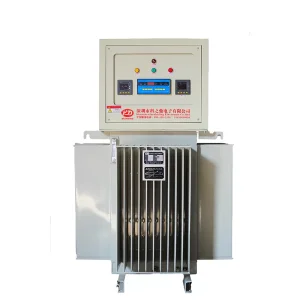
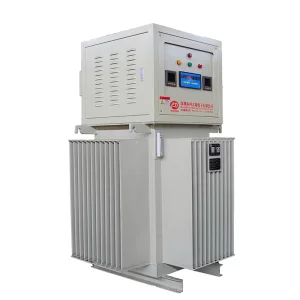
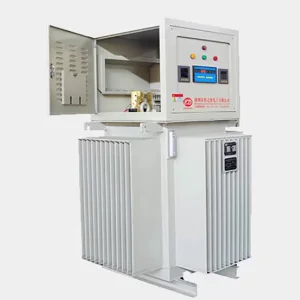
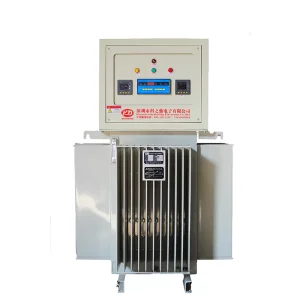
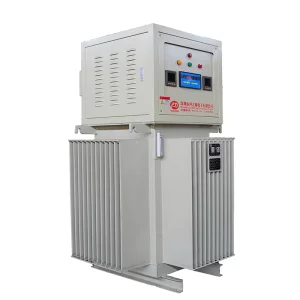
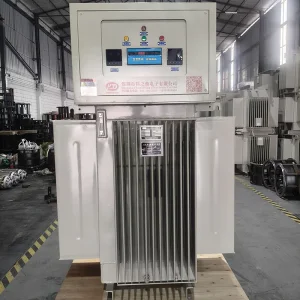
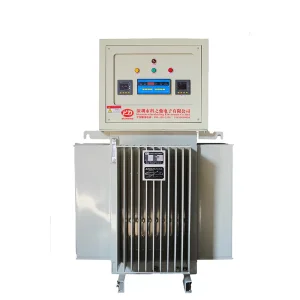
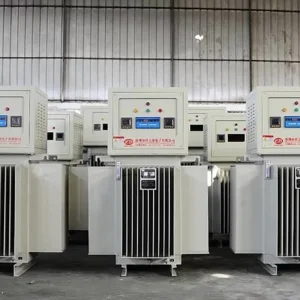
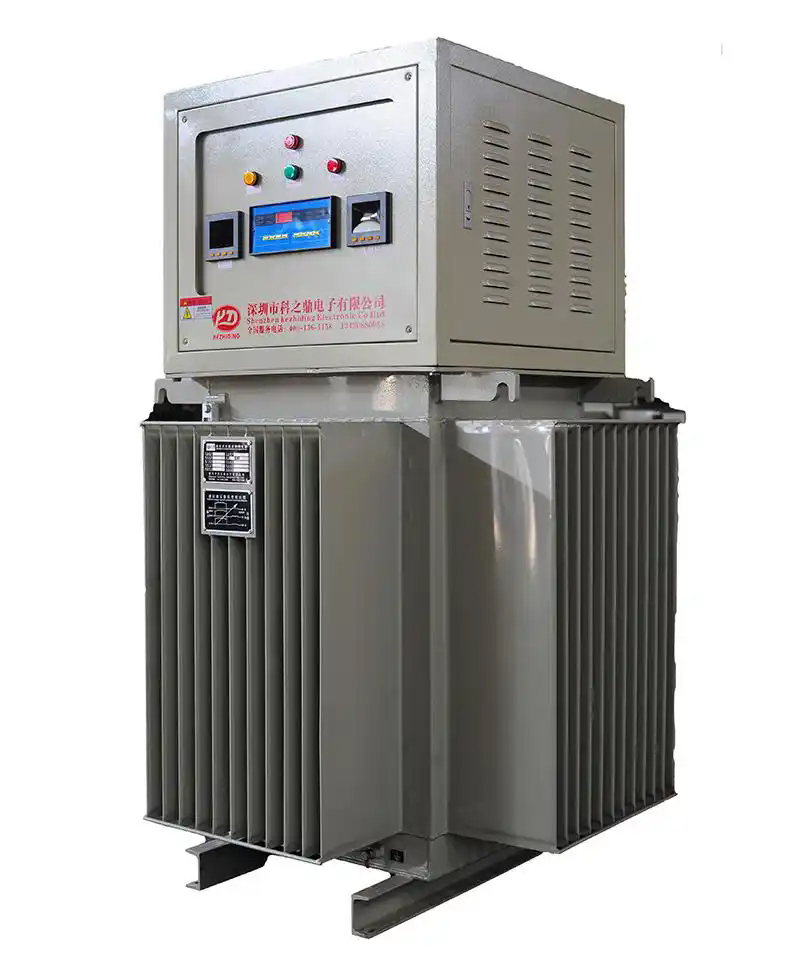
As a leading Oil Immersed Voltage Stabilizer Supplier & Exporter to Ghana, Kezhiding provides the "Information Gain" required to navigate these challenges. Our oil-cooled technology is specifically engineered to withstand high ambient temperatures and tropical humidity, offering a cooling efficiency that dry-type stabilizers simply cannot match in equatorial climates.
Our deployments in the Ghana market focus on high-stakes environments where power failure is not an option. We understand the User Intent of Ghanaian engineers: reliability, ease of maintenance, and long-term ROI.
In the Western Region's gold mines, heavy machinery creates massive inductive loads. Our 2000kVA Oil Type Stabilizers provide the necessary dampening for voltage sags and surges caused by large motor startups.
For hospitals in Accra, sensitive MRI and CT scanners require ultra-stable voltage. Our Automatic Voltage Regulators (AVR) ensure clinical accuracy and prevent expensive equipment damage from "brownouts".
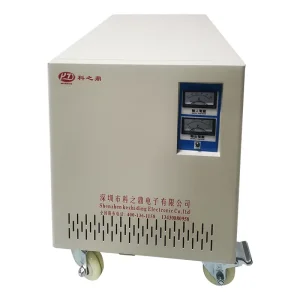
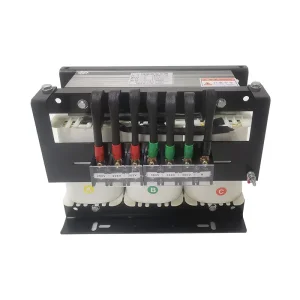
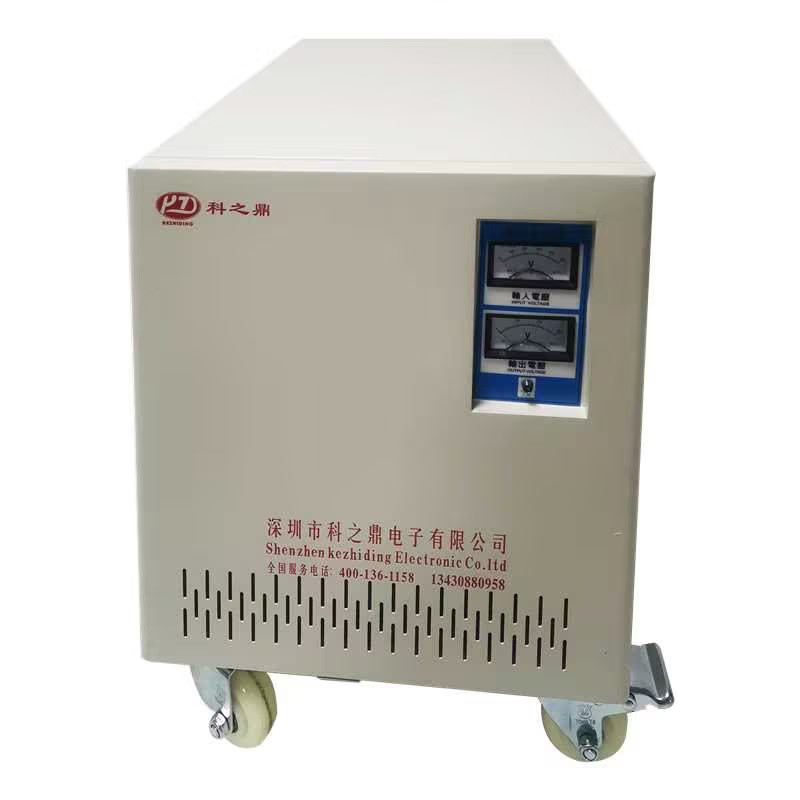
Ghana’s manufacturing sector relies on precise automation. We provide Three Phase Oil Immersed Stabilizers that protect CNC machines and PLC systems from harmonic distortions in the grid.
Shenzhen Kezhiding Electronic Co., Ltd., located in Jinbolong Industrial Zone, Shenzhen, is a high-tech enterprise under Kaohsiung Ding Sheng Group in Taiwan. With years of experience in the power equipment field, it offers a full-chain service system covering R&D, production, after-sales, and sales, and is a top-notch power solution provider.
The company focuses on R&D and production of power equipment. Its diverse product range includes various types of voltage regulators, transformers, non-standard voltage regulators, voltage-transformer integrated machines, high-power UPS, tunnel boosters, etc. It provides both customized and standardized products, meeting different power needs in high-tech industries and engineering projects such as CNC machines, medical equipment, and tunnel construction.
As we move towards 2025-2030, the technology behind Oil Immersed Voltage Stabilizers is evolving. Kezhiding is at the forefront of this transition, focusing on three key pillars:
Future units exported to Ghana will feature integrated 4G/5G monitoring modules, allowing engineers in Accra to monitor the health of stabilizers located in remote mining sites via a smartphone app. This predictive maintenance reduces the "Mean Time To Repair" (MTTR).
In line with global sustainability goals, we are developing stabilizers that use vegetable-based transformer oils, which offer higher flash points and better environmental safety than traditional mineral oils.
Our China Factory Advantage lies in our vertical integration. By controlling the entire supply chain—from the raw copper winding to the steel casing—we ensure that Ghana’s importers receive high-quality equipment with a 30% faster lead time compared to European alternatives.
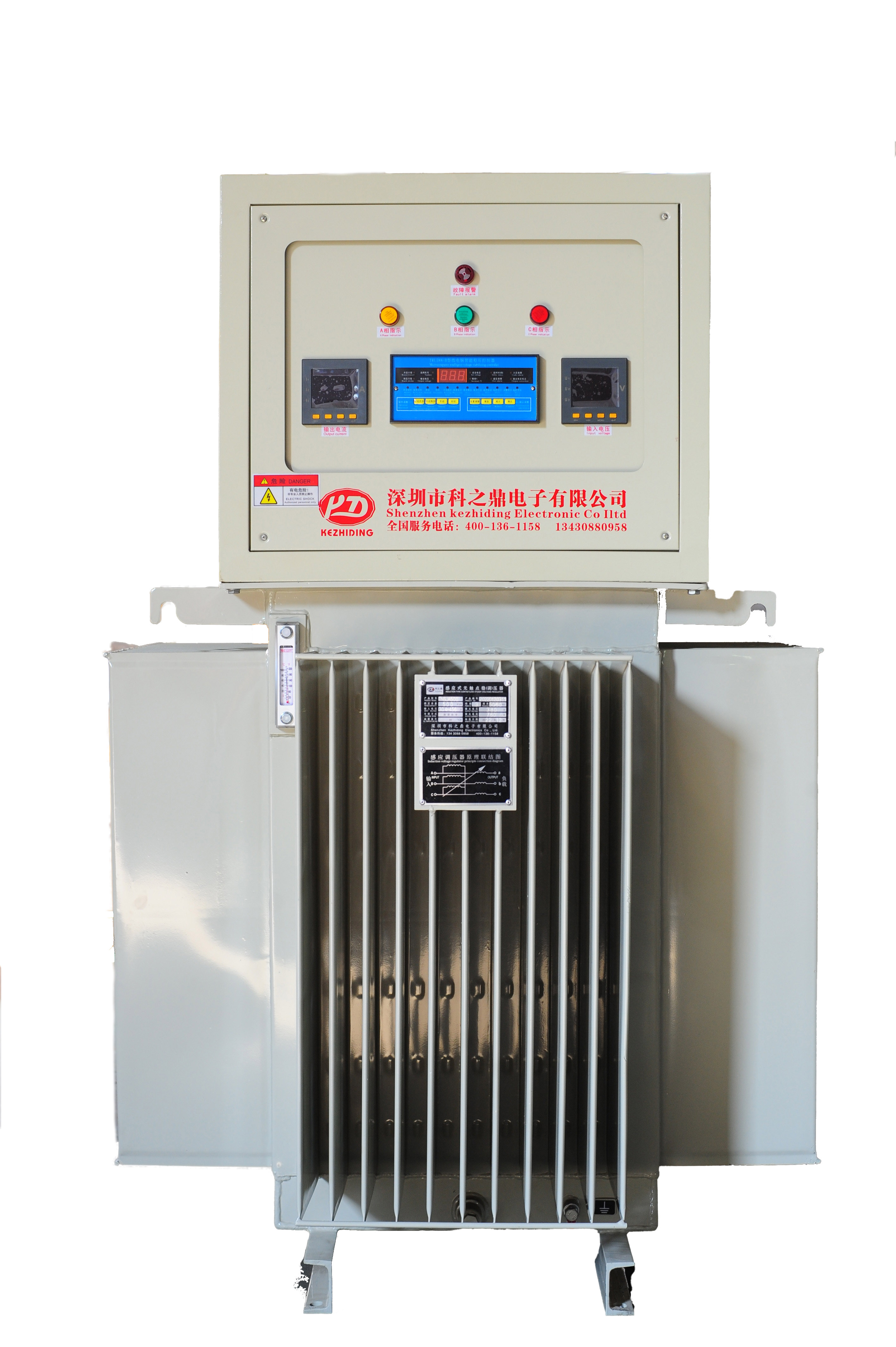
A: Ghana's tropical climate involves high humidity and heat. Oil-immersed stabilizers provide superior heat dissipation through convection and are hermetically sealed, protecting the core from moisture and dust, which significantly extends the service life compared to dry-type units.
A: Yes, our equipment is manufactured to international IEC standards, which are the benchmark for GSA and GRIDCo compliance. We provide full technical documentation to assist with local certification and installation.
A: Production typically takes 15-20 days depending on the kVA rating. Shipping from Shenzhen to Tema usually takes 35-45 days. We provide real-time tracking throughout the logistics process.
A: Our stabilizers can be customized with a wide input voltage range (e.g., -30% to +25%). This ensures that even if the grid drops to 300V (on a 400V line), the output remains steady at the required level.