1 / 3
 kezhiding
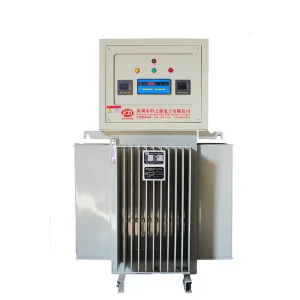
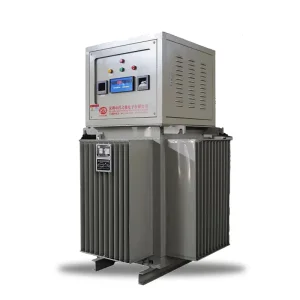
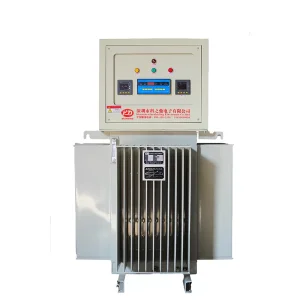
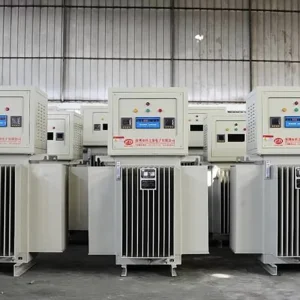
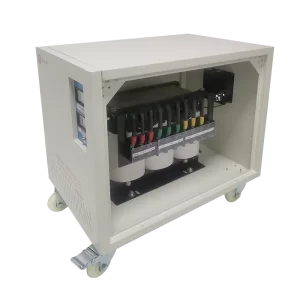
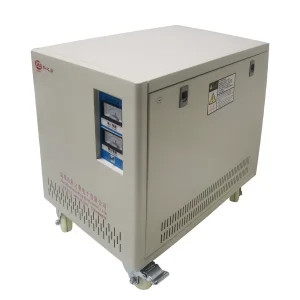
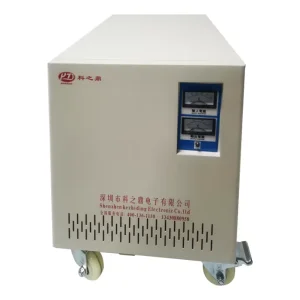
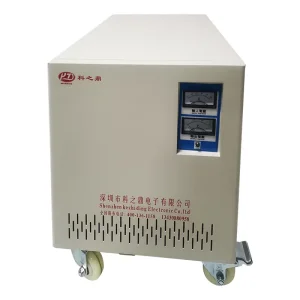
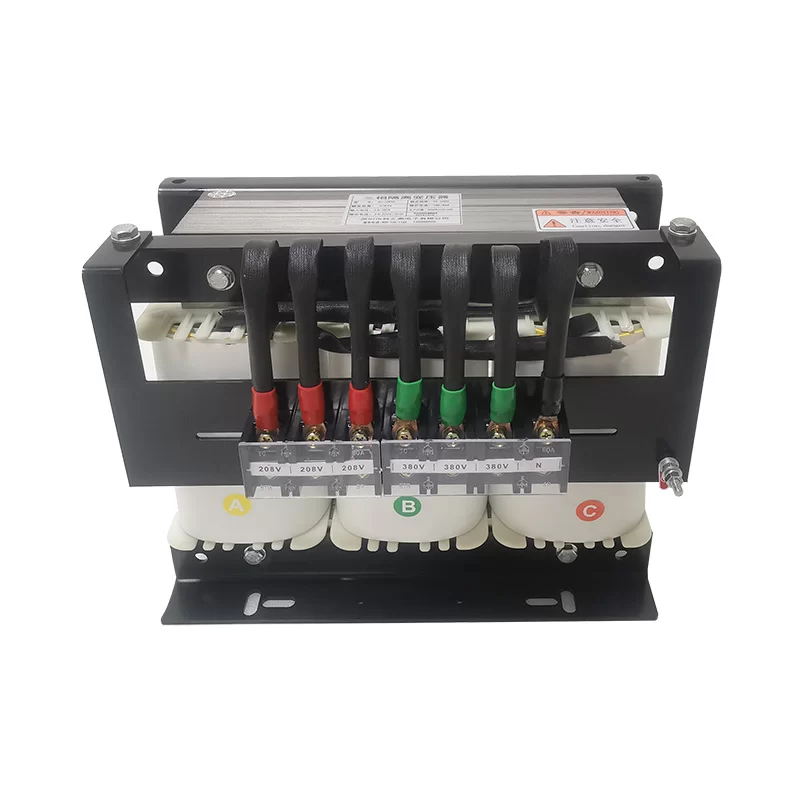
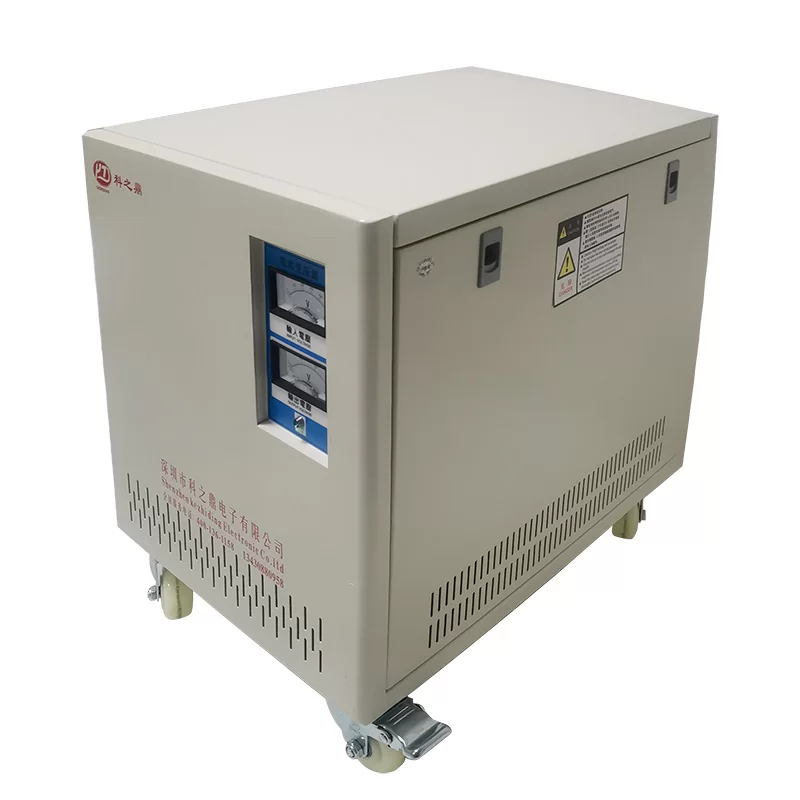
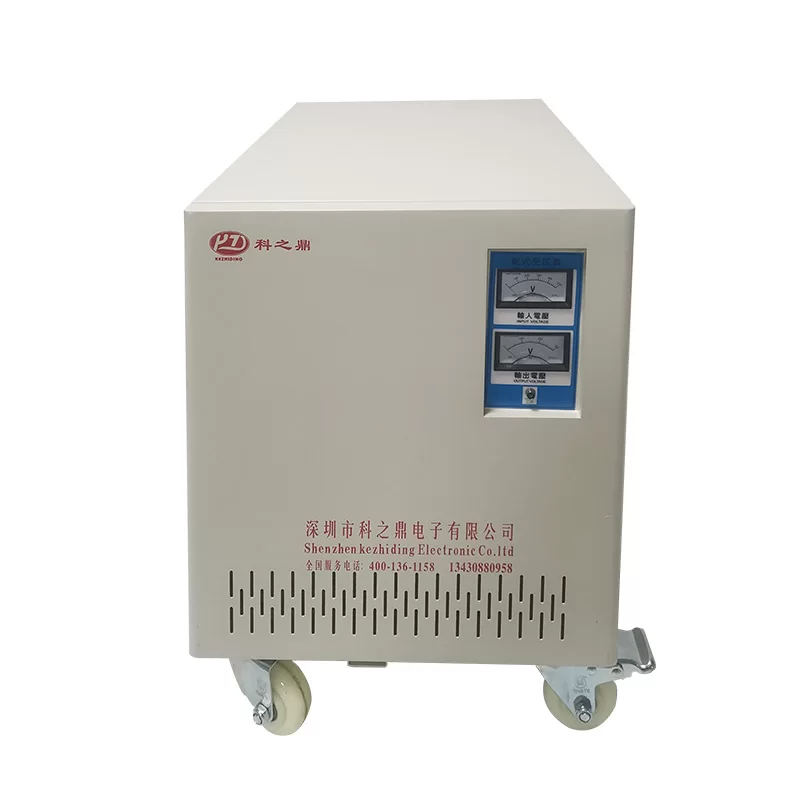
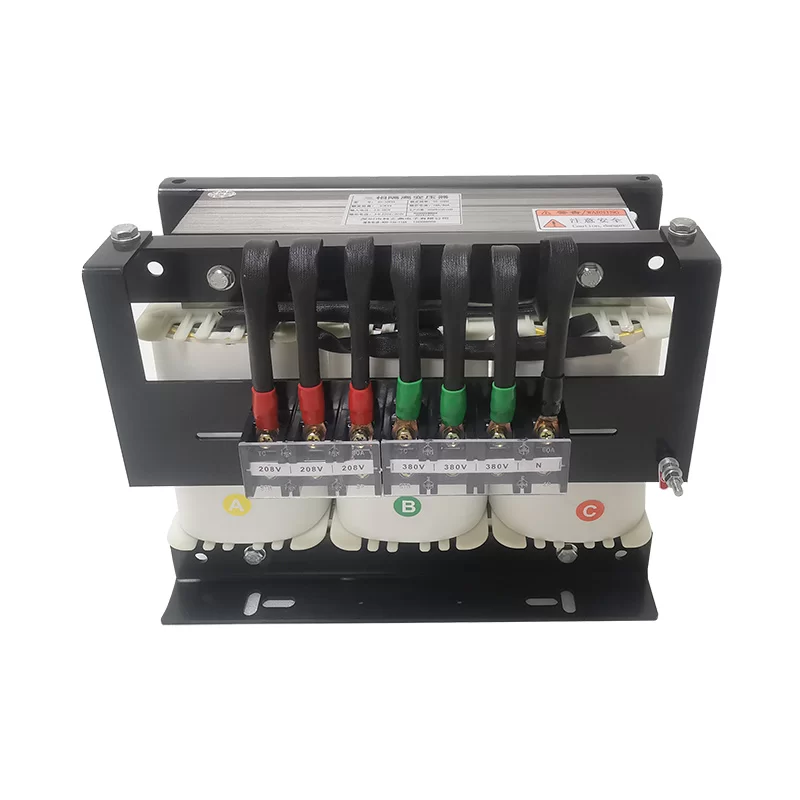
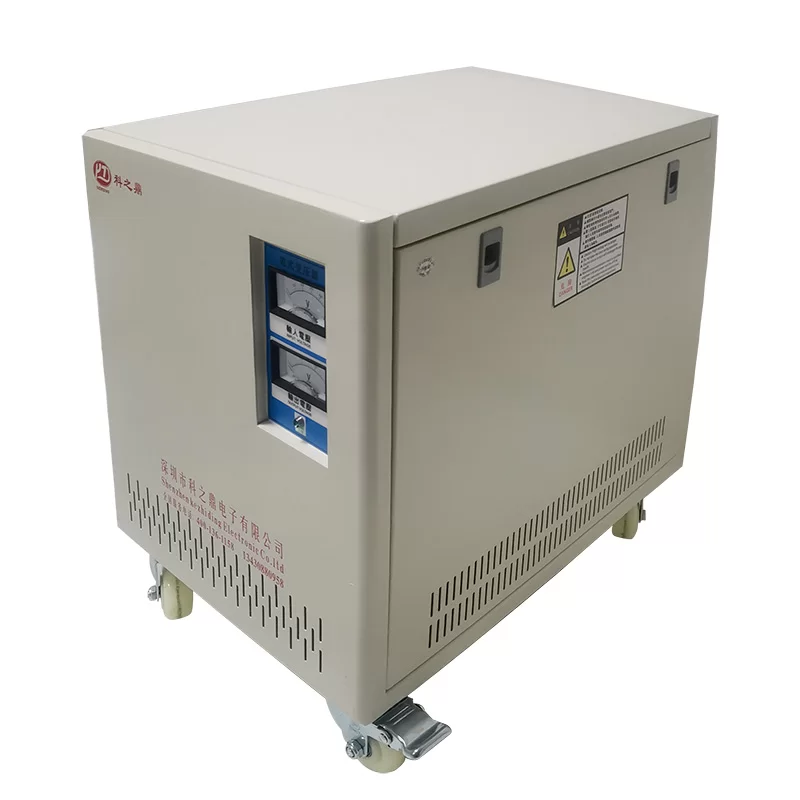
An Isolation Transformer is a critical power component engineered to decouple a device from the power source. By utilizing two or more independent windings wrapped around a high-grade iron core without a direct electrical connection, these transformers create a galvanically isolated circuit. This structure is essential for protecting sensitive electronic equipment and personnel from electrical shocks and hazardous voltage surges.
Operating on the principle of electromagnetic induction, an alternating current applied to the primary winding generates a magnetic field within the iron core, which subsequently induces an electromotive force in the secondary winding. This sophisticated mechanism not only enables precise voltage transformation but also serves as a robust filter that effectively blocks direct-current (DC) offsets and low-frequency noise, ensuring a clean and stable power supply for industrial applications.
| Core Material | High-Permeability Cold-Rolled Silicon Steel | Winding Type | Galvanically Isolated Independent Windings |
|---|---|---|---|
| Induction Principle | Electromagnetic Induction | Electrical Connection | No Direct Connection (Air/Insulation Gap) |
| Primary Input | Alternating Voltage (AC) | Secondary Output | Induced Alternating Voltage (AC) |
| Noise Filtration | DC and Low-Frequency Noise Blocking | Cooling Method | Natural Air / Oil Immersion Options |
| Application | Industrial Power & Control Systems | Insulation Class | Standard High-Temperature Grade |
Prevents direct electrical contact between source and load, significantly reducing the risk of electric shock.
Effectively filters out DC components and low-frequency interference for cleaner power delivery.
Shields sensitive downstream electronics from transients and voltage spikes from the primary grid.
Ensures consistent voltage transformation through precise electromagnetic induction ratios.
Eliminates ground loops and provides a safe floating ground for specialized industrial machinery.
Built with premium iron cores and windings to withstand rigorous 24/7 electrical load cycles.
Real-time tracking of transformer stock levels and winding specifications.
Digital oversight of primary and secondary current loads to prevent overheating.
Instant notifications for insulation breakdown or abnormal voltage fluctuations.
Automated reminders for core inspections and oil level checks in immersed units.
Integrated certification logs for each unit's electromagnetic induction test.
Analytics tools to measure energy efficiency and minimize iron core losses.
| Performance Metric | Standard Transformer | Isolation Transformer |
|---|---|---|
| Equipment Lifespan | Moderate | Significantly Extended |
| Electrical Safety | Standard Grounding | Galvanic Isolation |
| Signal Interference | Susceptible to Noise | High Noise Rejection |
| Maintenance Cost | Higher (Due to Failures) | Lower (Preventative) |
| Operational ROI | Baseline | High (Reduced Downtime) |
The primary purpose is to decouple the electrical load from the power source, enhancing safety by preventing electric shocks and protecting sensitive equipment from electrical noise and DC offsets.
Since there is no direct physical electrical connection between the primary and secondary windings, DC and low-frequency noise cannot cross the gap, only the alternating magnetic field transfers energy.
No. While both manage power, an isolation transformer focuses on electrical separation and noise filtration, whereas a voltage stabilizer actively regulates fluctuating input voltage to a constant output.
Yes, they are highly recommended in medical settings to isolate patients and sensitive monitoring equipment from the mains power, reducing leakage currents.
Oil-immersed transformers use oil for cooling and insulation, making them ideal for high-power outdoor use, while dry-type units use air, making them safer for indoor installations.
You should calculate the total wattage of all connected devices and add a safety margin of 20-30% to ensure the transformer operates efficiently without overheating.