1 / 3
 kezhiding
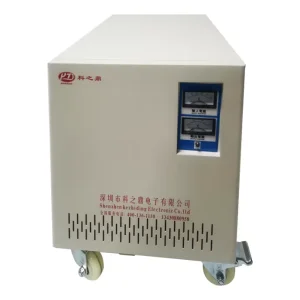
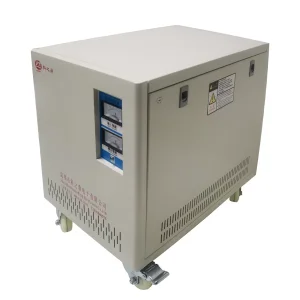
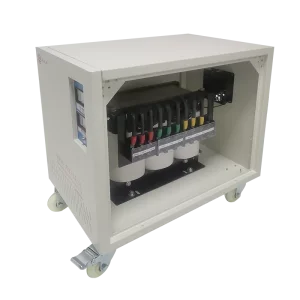
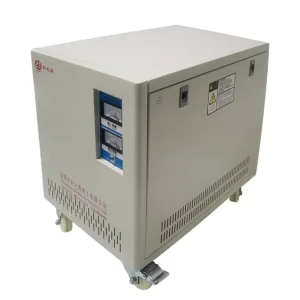
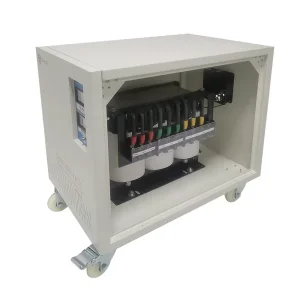
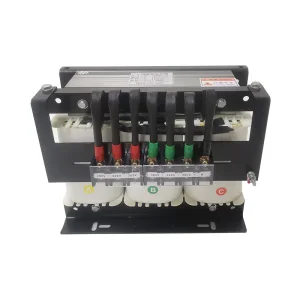
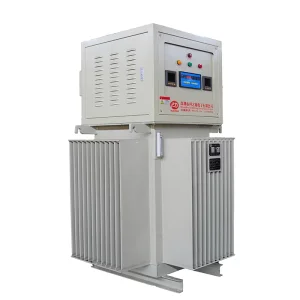
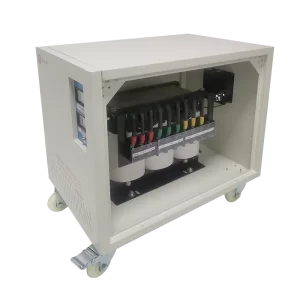
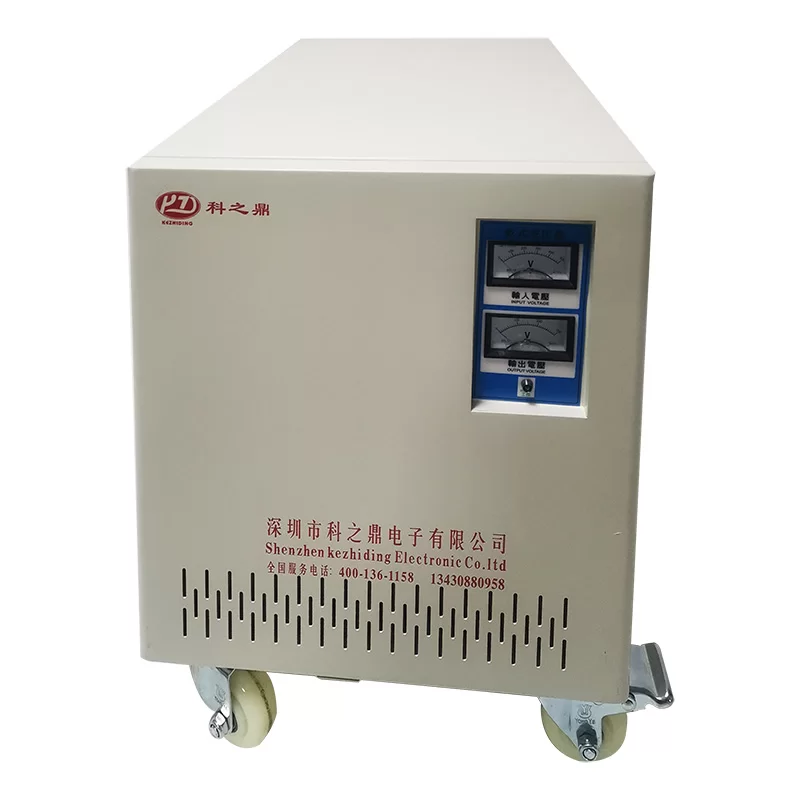
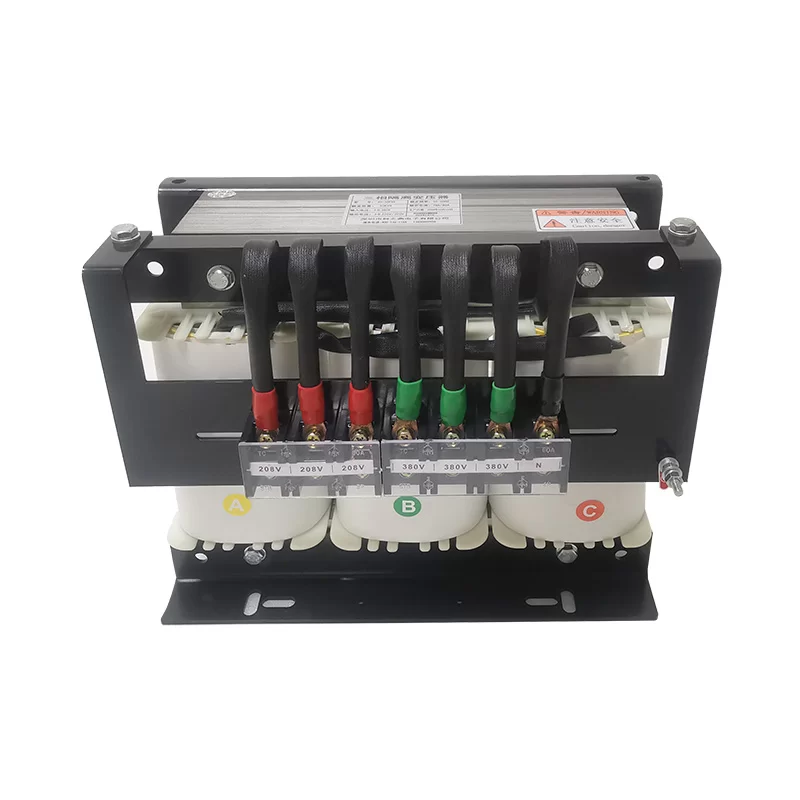
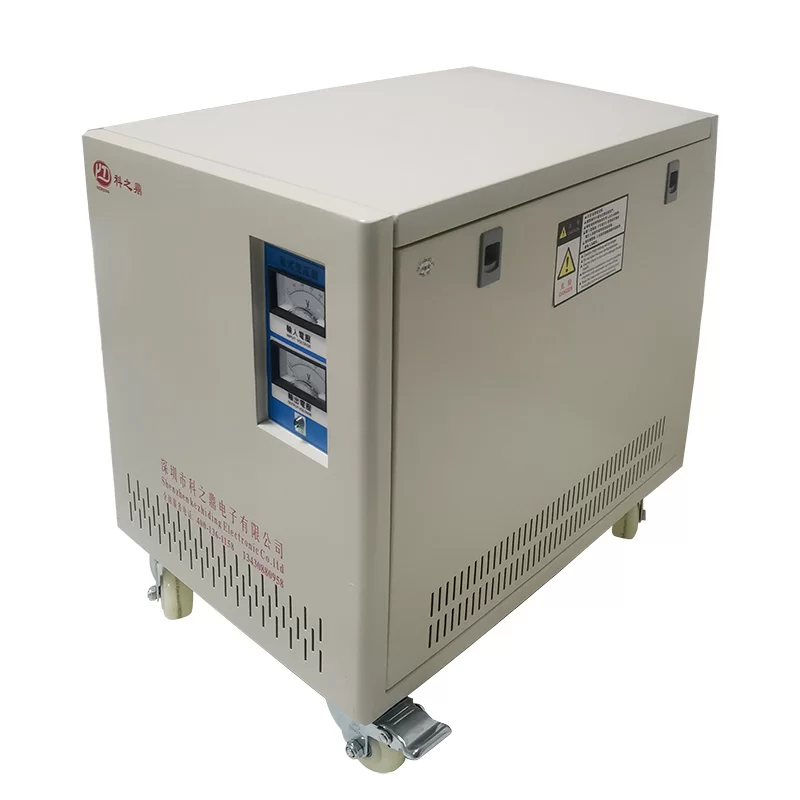
Dry-type transformers convert high voltage to low voltage to meet the requirements of different electrical equipment. In power distribution systems, they convert AC power from high-voltage transmission lines into levels suitable for low-voltage control.
These transformers provide critical safety isolation, preventing fault spread within circuits and protecting personnel from high-voltage current hazards.
In specific applications, they effectively remove clutter and interference from the circuit, ensuring cleaner power delivery.
Designed to safeguard electrical circuits from damage caused by lightning strikes and atmospheric surges.
Compared to oil-immersed models, dry-type transformers eliminate oil use, avoiding environmental pollution while significantly reducing power loss.
Dry-type transformers are more environmentally friendly as they do not use oil, which eliminates the risk of leaks and reduces fire hazards, making them ideal for indoor use.
Yes, their primary function is to convert high-voltage power from transmission lines into various output levels suitable for low-voltage electrical control and equipment.
They provide safety isolation that prevents circuit faults from spreading and creates a physical barrier that protects personnel from dangerous high-voltage currents.
Yes, they are specifically engineered to protect connected electrical circuits from the high-energy surges caused by lightning damage.
Generally, they require less maintenance than oil-immersed types because there are no oil levels to monitor or oil purity tests to conduct.
Due to their safety features and lack of oil, they are commonly found in commercial buildings, hospitals, schools, and underground facilities where fire safety is a priority.