 kezhiding
kezhiding
kezhiding
Explore our core product lineup of highly reliable dry-type and oil-immersed voltage transformation systems configured for diverse global commercial and industrial applications.
A deep dive into high-voltage municipal, commercial, and industrial step-down sub-stations utilizing cast resin technology.
In modern electrical engineering, the choice of power distribution components dictates system reliability, fire safety, and overall operating expenditures. A 3000 kVA dry-type transformer stands at the critical intersection of high capacity and safety, eliminating the hazards associated with liquid-immersed transformers, such as soil leakage and fire risks. Operating without dielectric oils, dry-type systems leverage air natural (AN) or air forced (AF) cooling mechanisms, utilizing specialized epoxy-resin or high-temperature class H insulating materials.
When selecting a 3000 kVA unit, engineers evaluate thermal load limits, short-circuit impedance (typically 6% to 8%), and low-frequency electromagnetic compatibility. The transition to high-power dry-type systems is accelerated by urbanization and demanding eco-design regulations. Our CE-certified 3000 kVA units are engineered to operate in environments requiring low noise levels, low partial discharge (typically <10 pC at 1.3 Um), and robust resistance against mechanical stresses caused by fluctuating loads and transient overvoltages.
Deploying high-power dry-type units across demanding sectors globally.
Modern data centers demand continuous uptime (Tier III & IV topologies). The 3000 kVA dry-type transformer provides safe, indoor installation right next to server rooms, minimizing low-voltage busbar runs, optimizing transmission efficiency, and avoiding complex oil-containment systems.
Step-up systems in utility-scale solar arrays and wind power farms depend on reliable step-up configurations. Our 3000 kVA dry transformers withstand harsh harmonized inputs from modern string inverters, maintaining peak efficiency and resisting voltage fluctuations caused by solar intermittency.
Whether powering high-torque mechanical motors, CNC machine lines, or chemical extraction systems, these transformers offer rugged structural strength to prevent degradation from high vibrational stresses and mechanical shocks inherent in heavy metallurgy.
Why regulatory alignment is non-negotiable for international procurement and site deployments.
CE Certification (Conformité Européenne) verifies that our 3000 kVA dry-type transformers meet the stringent health, safety, and environmental protection requirements defined by the European Economic Area (EEA). Specifically, these units comply with standard EN 60076-11, which sets performance criteria for dry-type power systems, including insulation categories, impulse test voltages, and temperature rise levels.
Without proper CE validation, transformers cannot legally be integrated into European grids or high-reliability commercial infrastructures. In addition, our manufacturing facilities adhere to the latest EcoDesign Directive (Tier 2 rules). This guarantees that no-load and load losses are minimized, decreasing structural heat output and carbon emissions. Below is a structural design overview of our CE compliant 3000 kVA units:
Key areas assessed during certification include:
| Parameter | Technical Specification / Standard (3000 kVA) | Operational Advantage |
|---|---|---|
| Rated Capacity | 3000 kVA (AN) / Up to 3900 kVA (AF Forced Cooling) | Enables flexible capacity scalability based on peak load hours. |
| High Voltage Range | 6 kV, 10 kV, 11 kV, 20 kV, 22 kV, 33 kV, 35 kV | Supports global primary utility grids. |
| Low Voltage Range | 0.4 kV, 0.415 kV, 0.69 kV, 6.3 kV | Direct integration to standard secondary distribution blocks. |
| Insulation Class | Class F (155°C) or Class H (180°C) | High thermal threshold resisting thermal degradation. |
| Impedance Voltage | 6.0% - 8.0% | Balances short-circuit current limitations with voltage stability. |
| Vector Group | Dyn11, Yyn0, or customizable configurations | Effectively handles phase imbalances and third harmonics. |
Adapting high-capacity power assets to geographical and mechanical extremes.
Standard transformers are designed for installation altitudes below 1000 meters. When operating a 3000 kVA unit in high-altitude environments (such as mountainous mining operations or wind farms), the lower air density reduces heat dissipation. Our engineering team incorporates extended air-duct geometries and upsized copper density configurations to counteract this thermal de-rating. This design adjustments prevent localized hot spots and ensure the system maintains its nominal 3000 kVA output capacity without accelerated insulation aging.
For installations near oceans, chemical manufacturing sites, or heavy industrial installations (classified as C5-I or C5-M high-corrosion zones), salt mist and moisture can trigger chemical corrosion on magnetic cores and winding termination points. Kezhiding dry-type transformers apply special multi-layered hydrophobic protective varnishes and epoxy insulation casting. The core laminations are treated with anti-corrosive coatings to stop iron oxide formation, maintaining minimal core losses over a multi-decade operational cycle.
A premier physical manufacturer delivering high-end power stabilization and voltage conversion solutions.
Shenzhen Kezhiding Electronic Co., Ltd., located in Jinbolong Industrial Zone, Shenzhen, is a high-tech enterprise under Kaohsiung Ding Sheng Group in Taiwan. With years of experience in the power equipment field, it offers a full-chain service system covering R&D, production, after-sales, and sales, and is a top-notch power solution provider.
The company focuses on R&D and production of power equipment. Its diverse product range includes various types of voltage regulators, transformers, non-standard voltage regulators, voltage-transformer integrated machines, high-power UPS, tunnel boosters, etc. It provides both customized and standardized products, meeting different power needs in high-tech industries and engineering projects such as CNC machines, medical equipment, and tunnel construction.
Adhering to the principle of "people-oriented, quality-first", the company strictly follows a quality management system throughout the whole process from product design to after-sales service. This ensures product quality and production efficiency, winning wide trust from customers. Currently, its products cover the domestic market and are exported to Southeast Asia, India, Africa, the Middle East and other regions. With excellent quality and perfect service, the company has established a good brand image in the global power equipment market, providing efficient and reliable power supply services for customers worldwide.
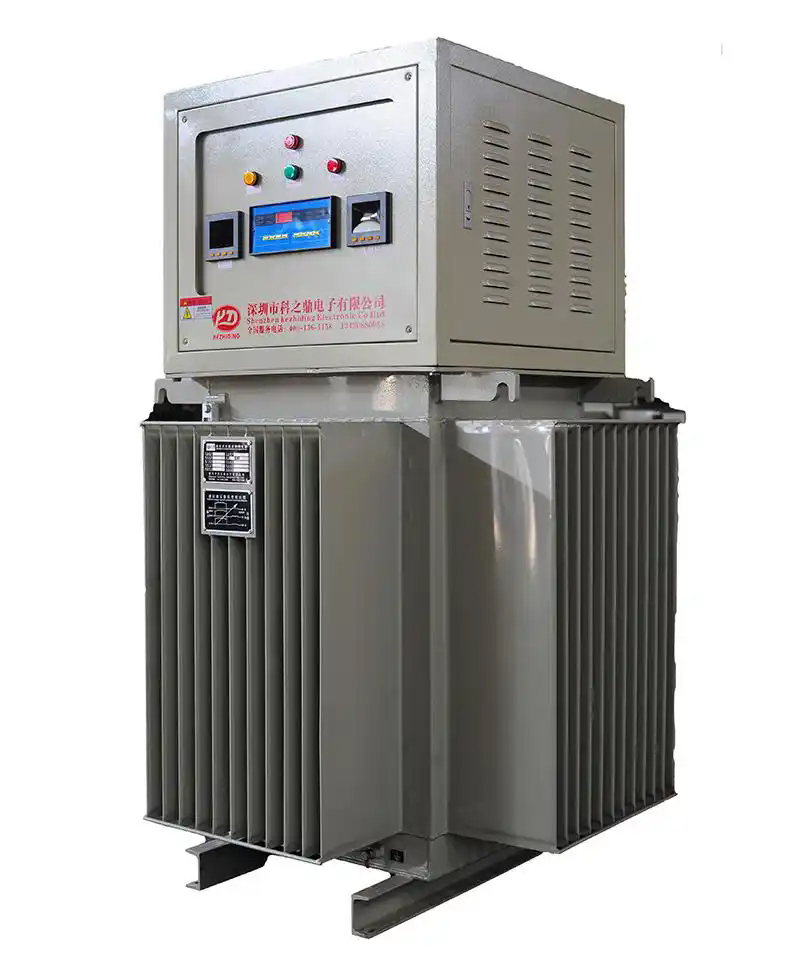
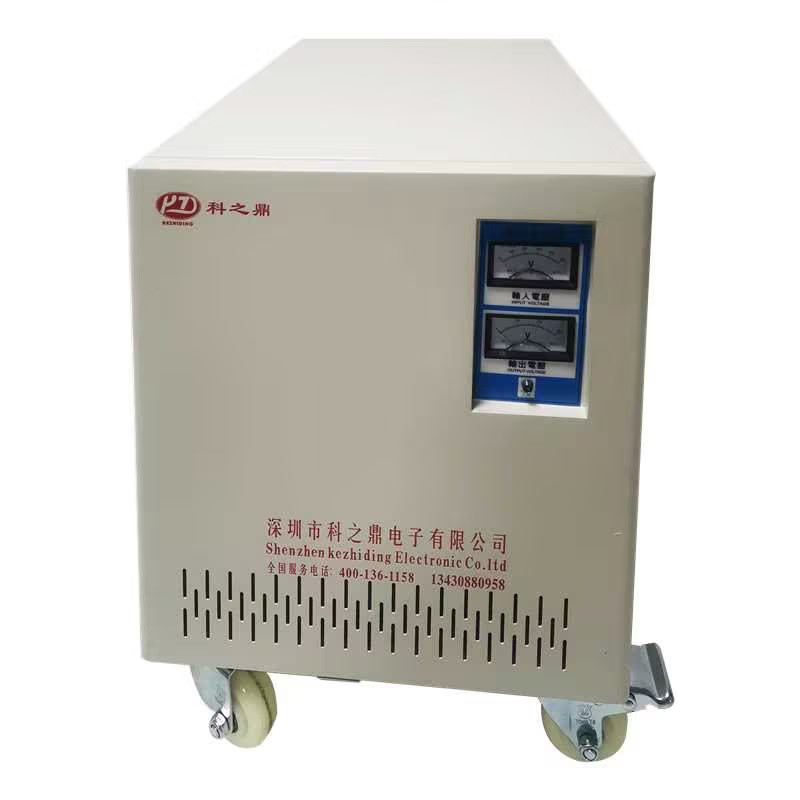
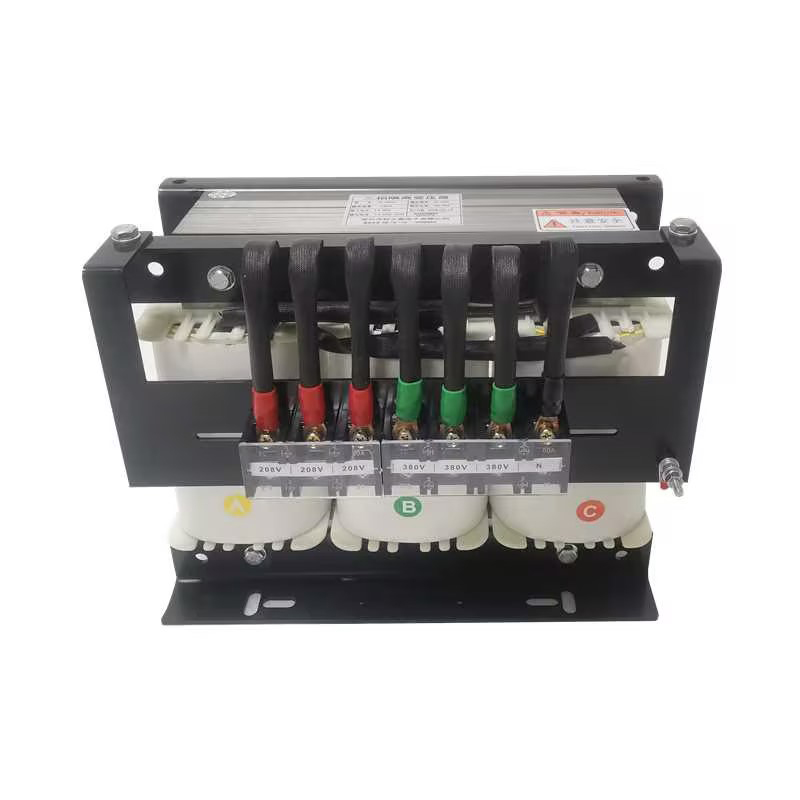
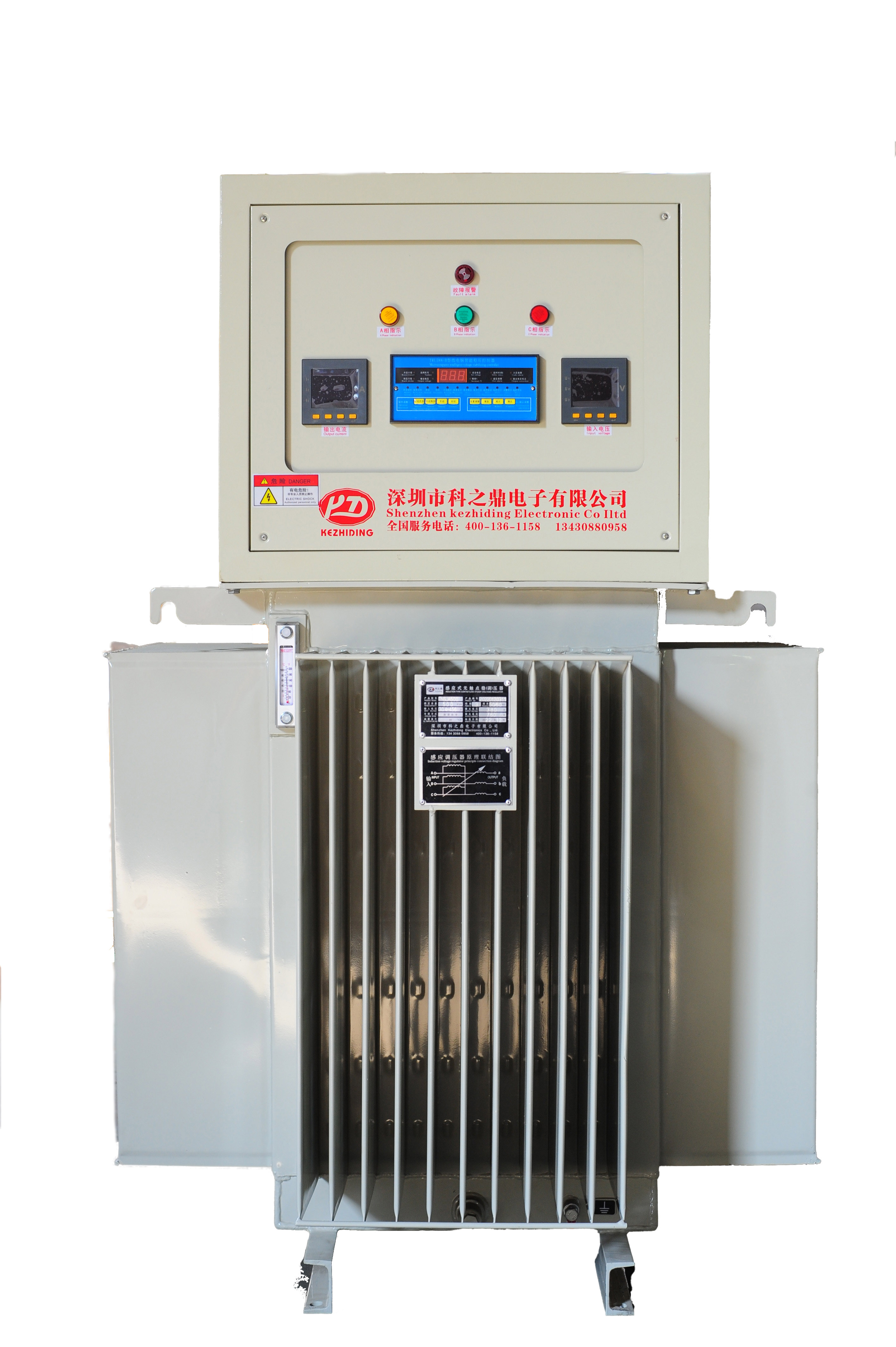
Analyzing performance metrics to select the optimal design architecture for your specific infrastructure requirements.
For a 3000 kVA dry-type transformer, there are two primary insulation pathways: Epoxy Cast Resin (CRT) and Vacuum Pressure Impregnation (VPI). CRT utilizes a complete encapsulation of the windings under vacuum, rendering the coils impervious to dust, moisture, and chemical agents. This makes CRT ideal for indoor substations, metro systems, and chemical factories where high ambient moisture or particulate density is expected.
Conversely, VPI systems use high-temperature polyester or silicone varnishes applied under pressure. VPI excels in situations where ambient temperature fluctuations are severe, as the absence of a thick, rigid resin shell minimizes internal mechanical shear stresses during rapid load adjustments. VPI systems also simplify onsite coil inspection and repairs.
| Criteria | Cast Resin (CRT) | VPI Dry Type |
|---|---|---|
| Moisture Resistance | Excellent (Fully sealed) | Moderate (Requires heaters) |
| Fire Safety | Self-Extinguishing (Class F1) | Flame Retardant |
| Repairability | Difficult (Coils molded) | Easier (Re-winding possible) |
| Short-Circuit Strength | High (Solid encapsulation) | Medium-High |
Integrating digital telemetry and eco-conscious insulation to build future-ready grids.
Deploying fiber-optic PT100 sensors directly within the transformer wind coils. This enables continuous telemetry of real-time thermal curves, helping facility managers run predictive maintenance protocols and dynamic load balancing.
Integrating amorphous metal alloy cores to replace conventional grain-oriented electrical steels. This modification reduces no-load core losses by up to 70%, aligning with strict global decarbonization objectives.
Developing lightweight, recyclable outer shielding structures with high thermal conductivity. This improves ventilation and optimizes structural cooling efficiency under natural cooling (AN) settings.
Answers to common technical questions encountered during site planning, thermal modeling, and system deployment.
Select from our range of oil-filled regulators, heavy-duty dry-type units, and automatic voltage stabilizing solutions manufactured to international standards.