1 / 3
 kezhiding
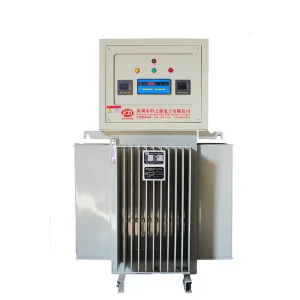
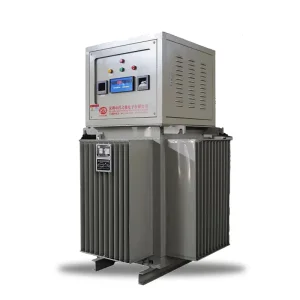
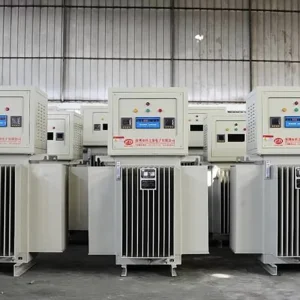
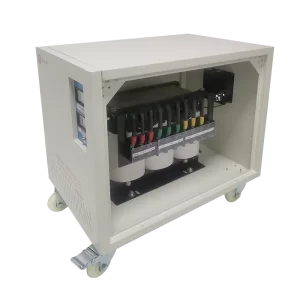
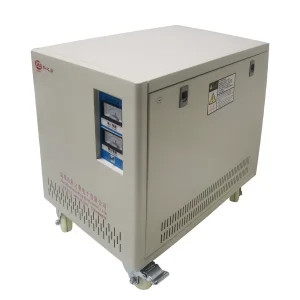
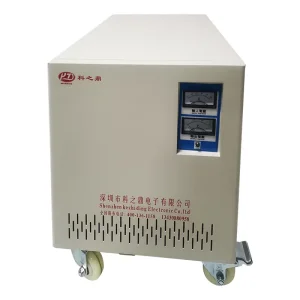
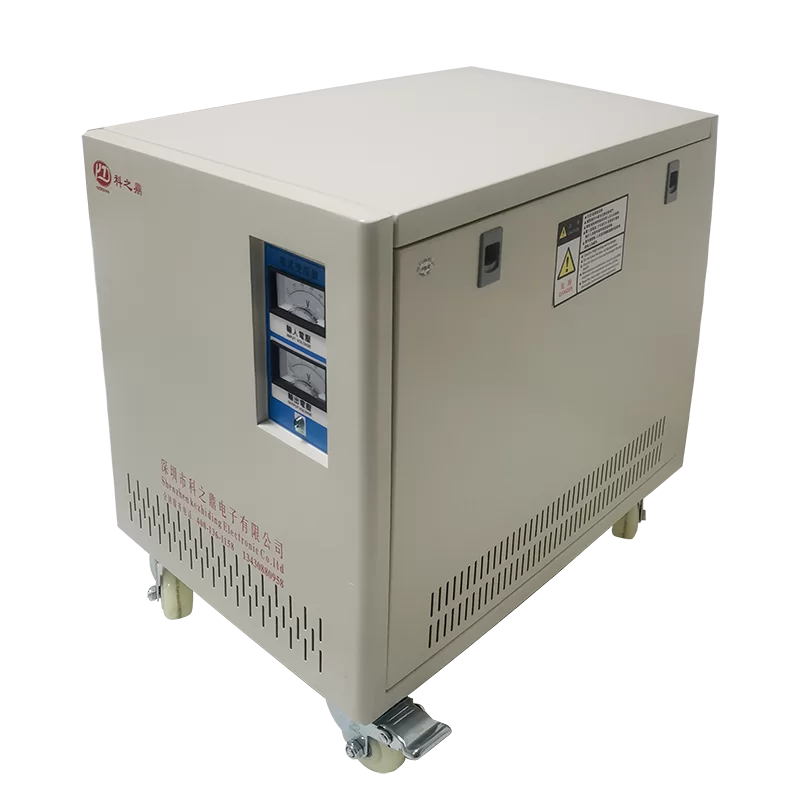
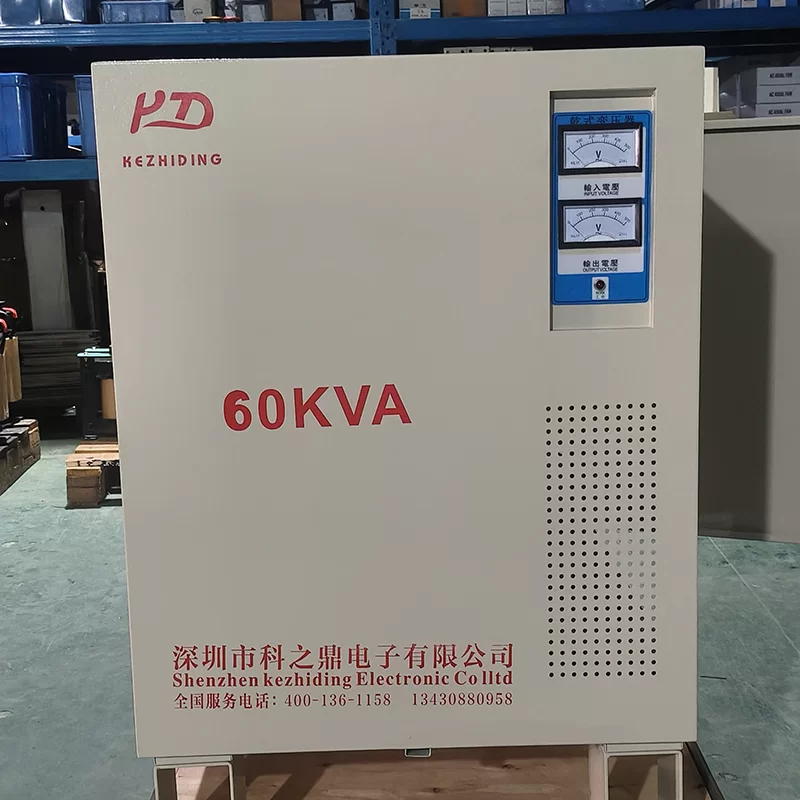
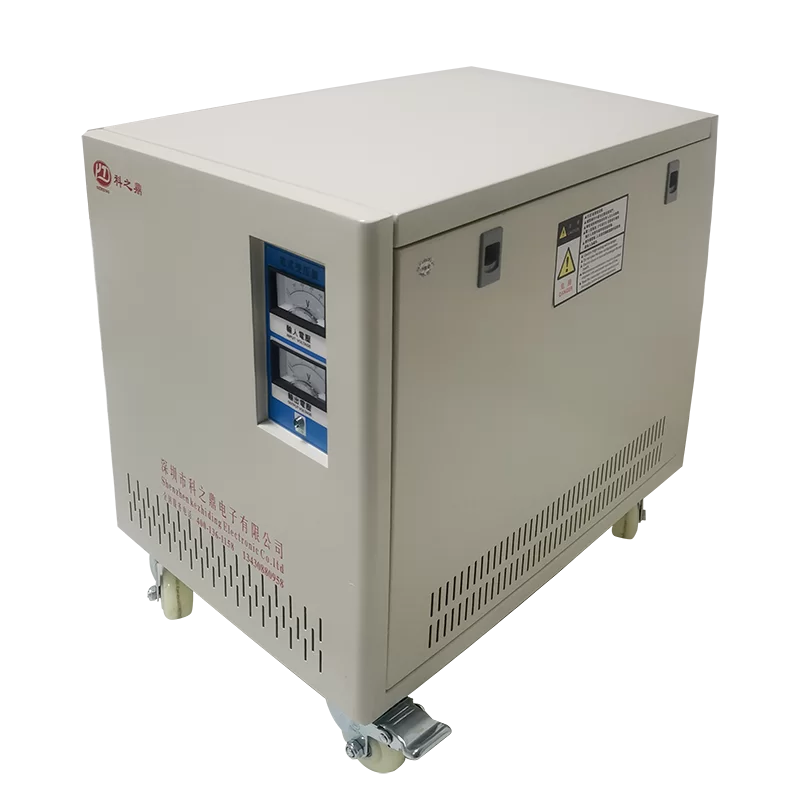
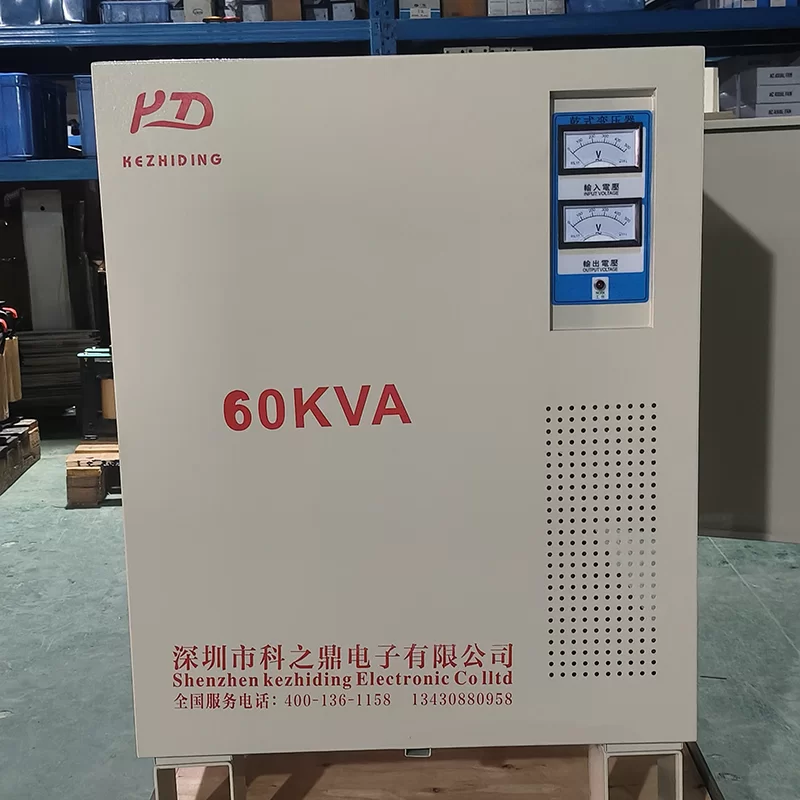
The 3-Phase 220V to 3-Phase 380V Transformer is a professional-grade power solution designed to bridge the gap between available power supplies and equipment requirements. In industrial environments where only a three-phase 220V supply is available, this transformer efficiently steps up the voltage to a stable three-phase 380V, ensuring that high-performance machinery can operate at its rated capacity without interruption.
Specifically engineered for imported industrial equipment and specialized machinery, this transformer eliminates the need for costly power system renovations or expensive equipment replacements. By resolving voltage mismatch issues, it guarantees seamless equipment compatibility and operational stability, making it an indispensable asset for factories and workshops managing diverse international hardware.
| Input Voltage | 3-Phase 220V | Output Voltage | 3-Phase 380V |
|---|---|---|---|
| Phase Type | Three-Phase | Application | Voltage Step-Up |
| Equipment Compatibility | Imported Industrial Machinery | Function | Voltage Conversion |
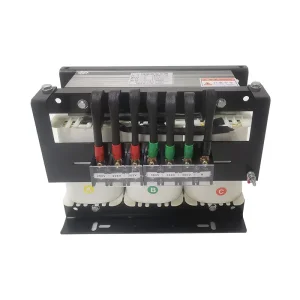
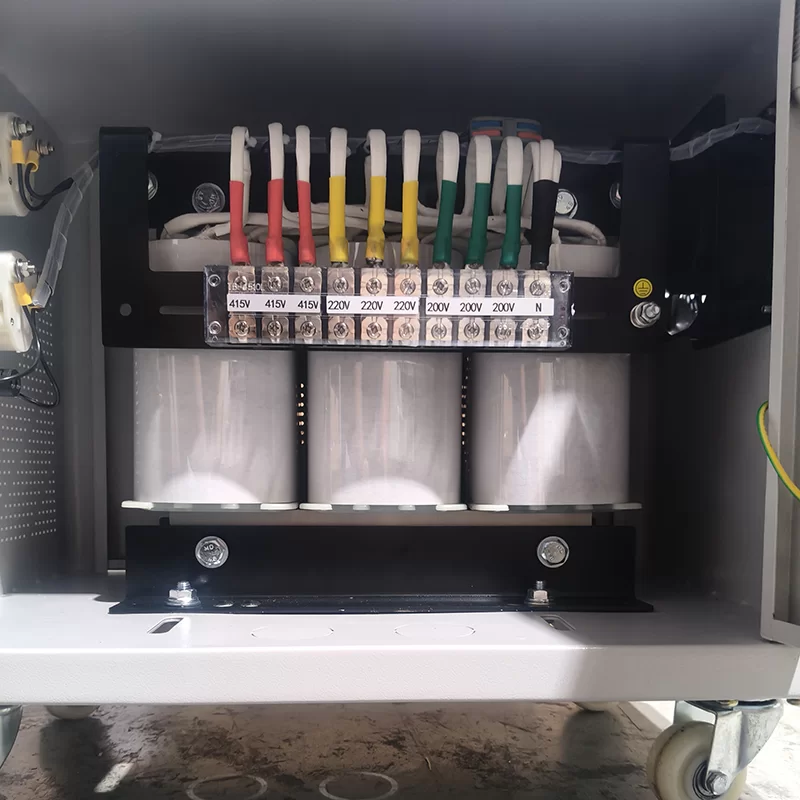
| Core Material | High-Grade Silicon Steel | Cooling Method | Natural Air/Oil Cooled |
| Operating Standard | Industrial Grade | Protection Level | Standard Industrial Housing |
Ensures a consistent 380V output to protect sensitive electronic components from voltage fluctuations.
Plug-and-play integration that eliminates the need for complex electrical grid renovations.
Perfect for imported machinery requiring 380V in regions providing 220V 3-phase power.
Avoids the extreme expenses of replacing existing machinery or upgrading facility wiring.
Built with premium materials to withstand the rigors of continuous heavy-duty industrial use.
Designed with advanced insulation and safety standards to prevent electrical hazards.
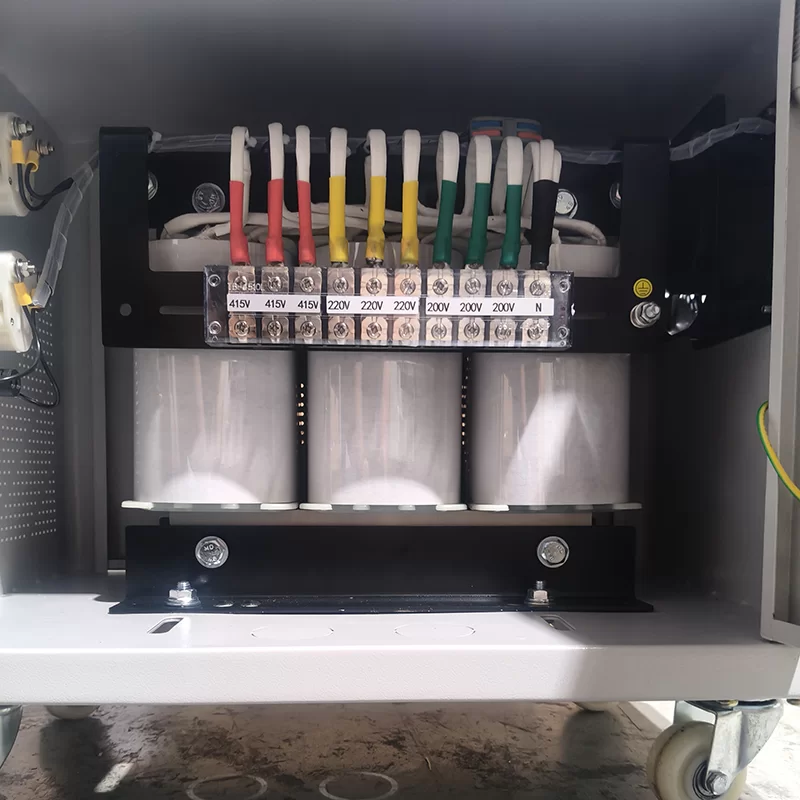
Optimized power distribution across three phases to ensure balanced load management.
Integrated cooling systems to maintain optimal operating temperatures during peak loads.
Built-in safeguards to protect downstream equipment from input voltage spikes.
Real-time monitoring capability to ensure phase sequence and voltage consistency.
Flexible installation options to fit into various industrial cabinet configurations.
Low-loss core technology to minimize energy waste and operational costs.
| Analysis Item | Transformer Solution | System Renovation |
|---|---|---|
| Initial Cost | Low (Equipment Purchase) | High (Labor & Materials) |
| Installation Time | Hours (Immediate) | Weeks (Construction) |
| Equipment Change | Not Required | Full Replacement |
| Operational Risk | Minimal / Controlled | High / Grid Disruption |
| ROI Period | Instant Implementation | Long-term Recovery |
It is used to step up the voltage from a 220V three-phase supply to 380V, allowing machinery designed for 380V to operate safely and efficiently in areas where only 220V is available.
Yes, it is specifically designed to solve compatibility issues for imported machinery that requires a 380V power supply but is installed in a 220V environment.
Absolutely. Using a transformer avoids the massive expenses associated with renovating electrical infrastructure or purchasing new equipment that matches the local voltage.
Yes, by providing a steady 380V output, it ensures that the equipment operates within its rated parameters, preventing malfunctions and extending the lifespan of the machinery.
Typical applications include CNC machines, industrial compressors, large motors, and other electrical equipment manufactured for the 380V standard but used in 220V facilities.
You should calculate the total KVA requirement of your equipment and add a safety margin (typically 20%) to ensure the transformer handles peak loads without overheating.