 kezhiding
kezhiding
kezhiding
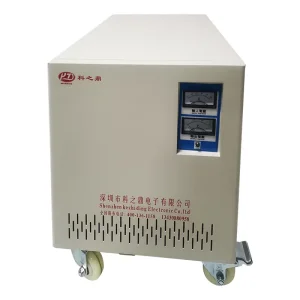
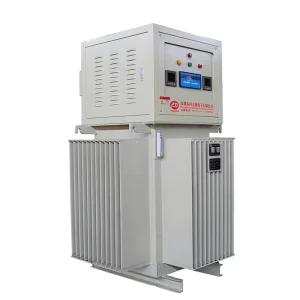
Designed to comply with British grid compliance standards (BS EN 50160), offering optimal performance under high fluctuations.
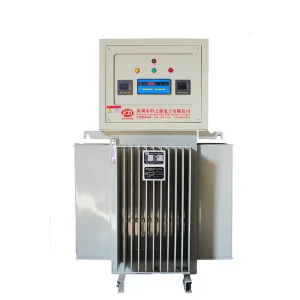
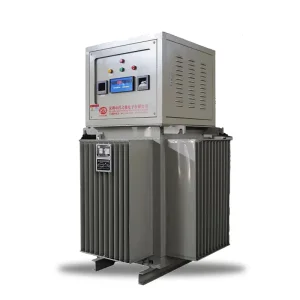
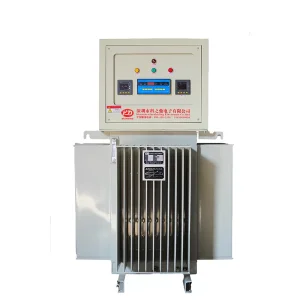
The United Kingdom's electrical landscape is undergoing its most profound structural shift since the Industrial Revolution. As the National Grid rapidly transitions away from fossil-fuel-based synchronous generation to variable renewable energy sources—such as offshore wind in the North Sea and large-scale solar installations across the South—grid inertia is declining. According to recent grid analysis reports, this reduction in system inertia translates directly to heightened volatility in both voltage profile and system frequency.
For modern UK enterprises operating within the advanced manufacturing, aerospace, chemical processing, and data center domains, voltage anomalies are no longer a minor annoyance; they represent a significant risk to continuity. Microvolt drops, transient sags, and harmonic distortions cost UK businesses millions of pounds annually in damaged equipment, ruined production runs, and unplanned downtime. In compliance with the British Standard BS EN 50160 (which specifies the voltage characteristics of electricity supplied by public networks), companies must actively shield their operations using highly responsive, industrial-grade voltage stabilization equipment.
"Under BS EN 50160, nominal voltage levels in the UK are specified at 230V single-phase / 400V three-phase (+10% / -6%). However, industrial plants with dynamic load switching frequently experience sags exceeding 15%, necessitating real-time electromagnetic line stabilization."
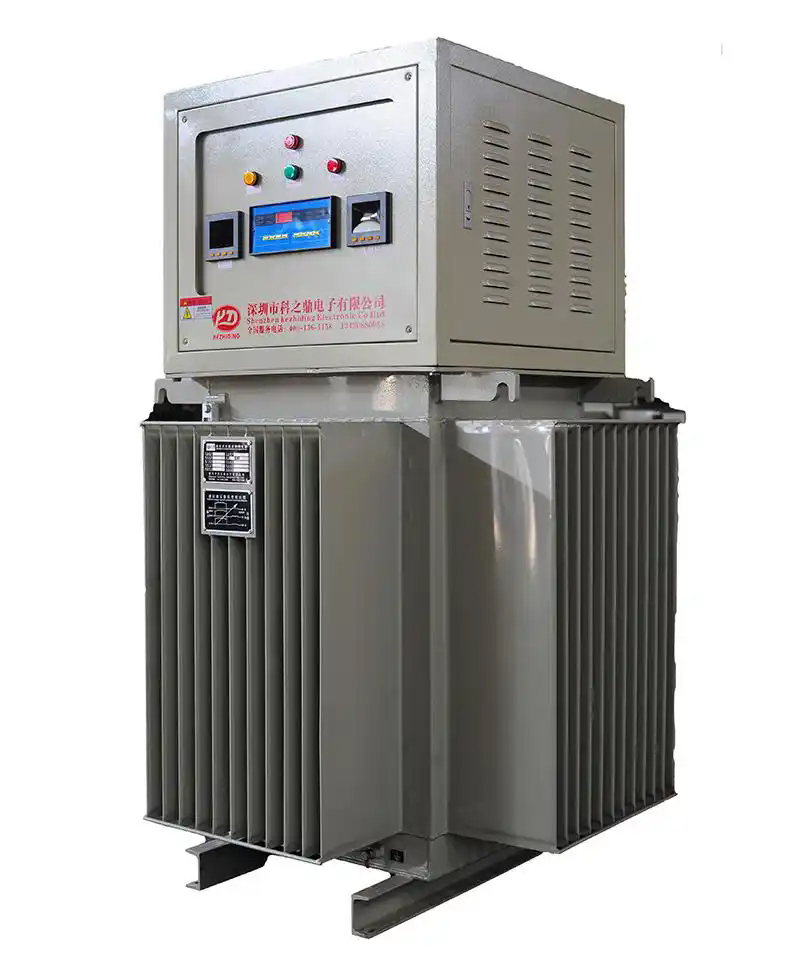
Understanding the thermodynamic and magnetic characteristics of transformer and stabilizer designs to optimize system efficiency and lifespan.
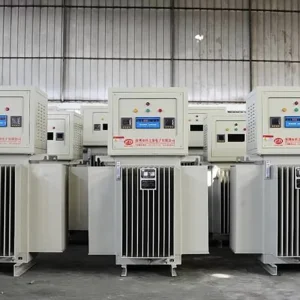
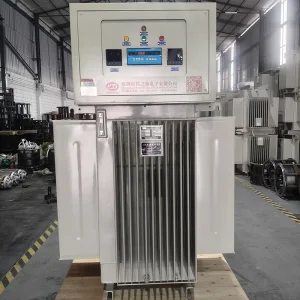
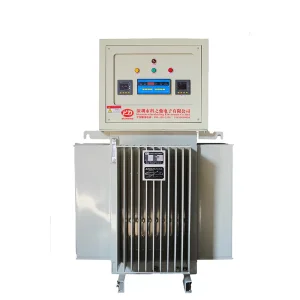
Leveraging high dielectric mineral oil or synthetic ester fluids, oil-immersed stabilizers (like the TNSJA series) provide unmatched thermal dissipation. The liquid acts as both an electrical insulator and a heat-transfer medium, enabling these units to handle heavy overload conditions and severe harmonic distortion in highly polluted environments like steel plants and paper mills.
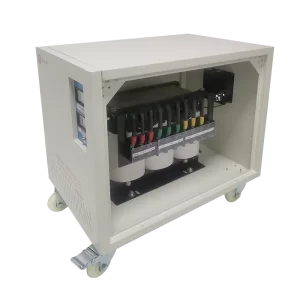
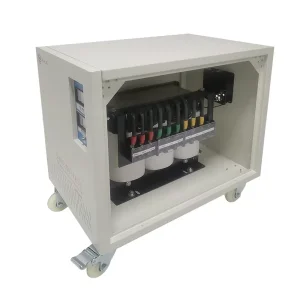
Constructed using Class F or Class H resin-impregnated insulation, dry-type three-phase transformers operate without liquid, eliminating all fire hazards and oil-leak risks. This makes them the default choice for indoor installations in the UK, such as hospitals (NHS), multi-story commercial buildings, clean rooms, and urban transit systems.
For applications where electrical isolation is not strictly required but shifting voltage levels is crucial (e.g., matching imported 220V/380V machinery to the standard UK 400V three-phase grid), autotransformers offer a highly compact, low-loss, and cost-efficient footprint compared to full isolation transformers.
Shenzhen Kezhiding Electronic Co., Ltd.: Taiwan Kaohsiung Ding Sheng Group's High-Tech R&D and Production Base.
Shenzhen Kezhiding Electronic Co., Ltd., located in Jinbolong Industrial Zone, Shenzhen, is a high-tech enterprise under Kaohsiung Ding Sheng Group in Taiwan. With years of experience in the power equipment field, it offers a full-chain service system covering R&D, production, after-sales, and sales, and is a top-notch power solution provider.
The company focuses on R&D and production of power equipment. Its diverse product range includes various types of voltage regulators, transformers, non-standard voltage regulators, voltage-transformer integrated machines, high-power UPS, tunnel boosters, etc. It provides both customized and standardized products, meeting different power needs in high-tech industries and engineering projects such as CNC machines, medical equipment, and tunnel construction.
Adhering to the principle of "people-oriented, quality-first", the company strictly follows a quality management system throughout the whole process from product design to after-sales service. This ensures product quality and production efficiency, winning wide trust from customers. Currently, its products cover the domestic market and are exported to Southeast Asia, India, Africa, the Middle East, the United Kingdom, and other regions. With excellent quality and perfect service, the company has established a good brand image in the global power equipment market, providing efficient and reliable power supply services for customers worldwide.
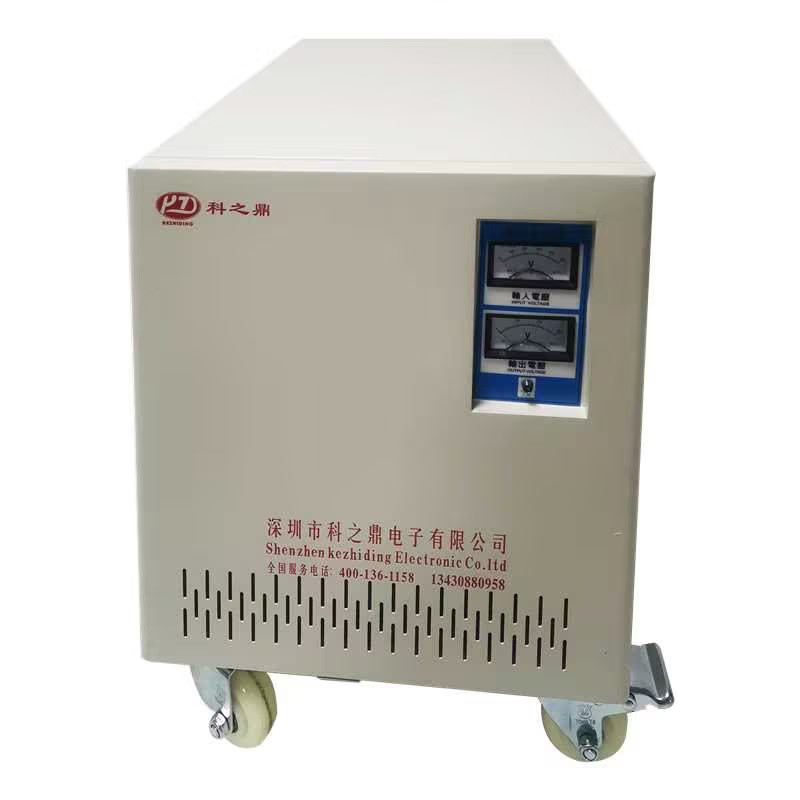
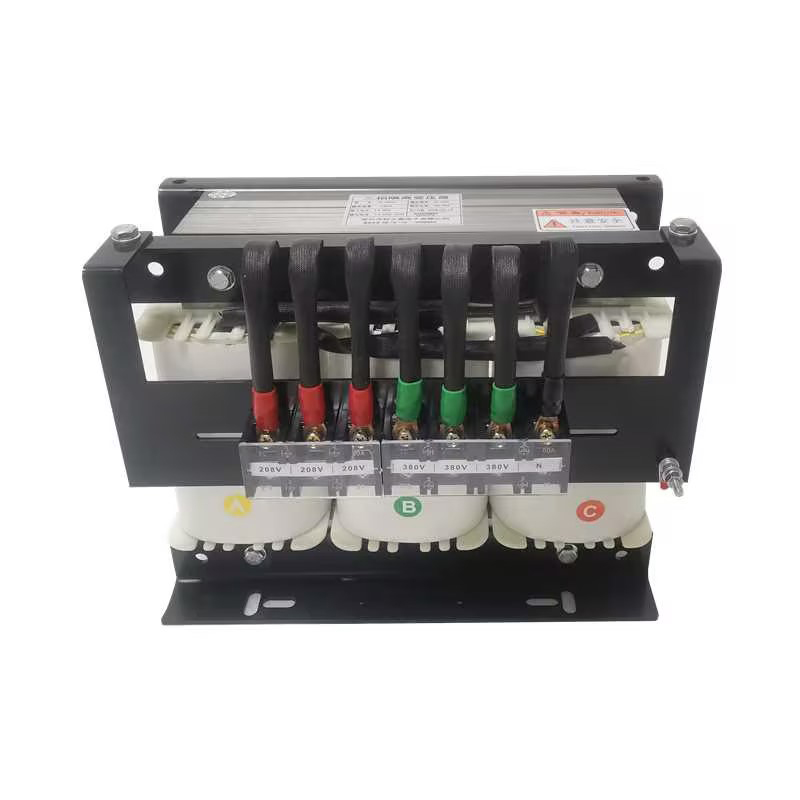
How our custom-built voltage regulators and step-up/down transformers solve critical engineering problems across the British Isles.
The manufacturing heartlands around Birmingham and Coventry host state-of-the-art CNC machine tools and industrial robotics. These systems require consistent voltage to maintain sub-micron tolerances in precision components. A sudden sag in power supply can ruin expensive high-tensile alloys and break cutting bits. Our 150kVA to 500kVA automatic voltage stabilizers act as clean power barriers, absorbing voltage fluctuations instantly.
Hospital diagnostic systems like MRI scanners and CT machines draw large pulse currents that can destabilize local sub-distribution panels. Using our Dry-Type Three-Phase Isolation Transformers guarantees zero harmonic feedback into the primary hospital grid, keeping high-sensitivity patient monitors and computational centers free of electromagnetic noise.
As the UK builds out decentralized solar farms across Somerset and Devon, feeding generated power back into the 11kV or 33kV distribution lines requires intermediate step-up transformers. Our high-efficiency power transformers minimize core-excitation losses, optimizing the feed-in tariff yields for solar farm developers.
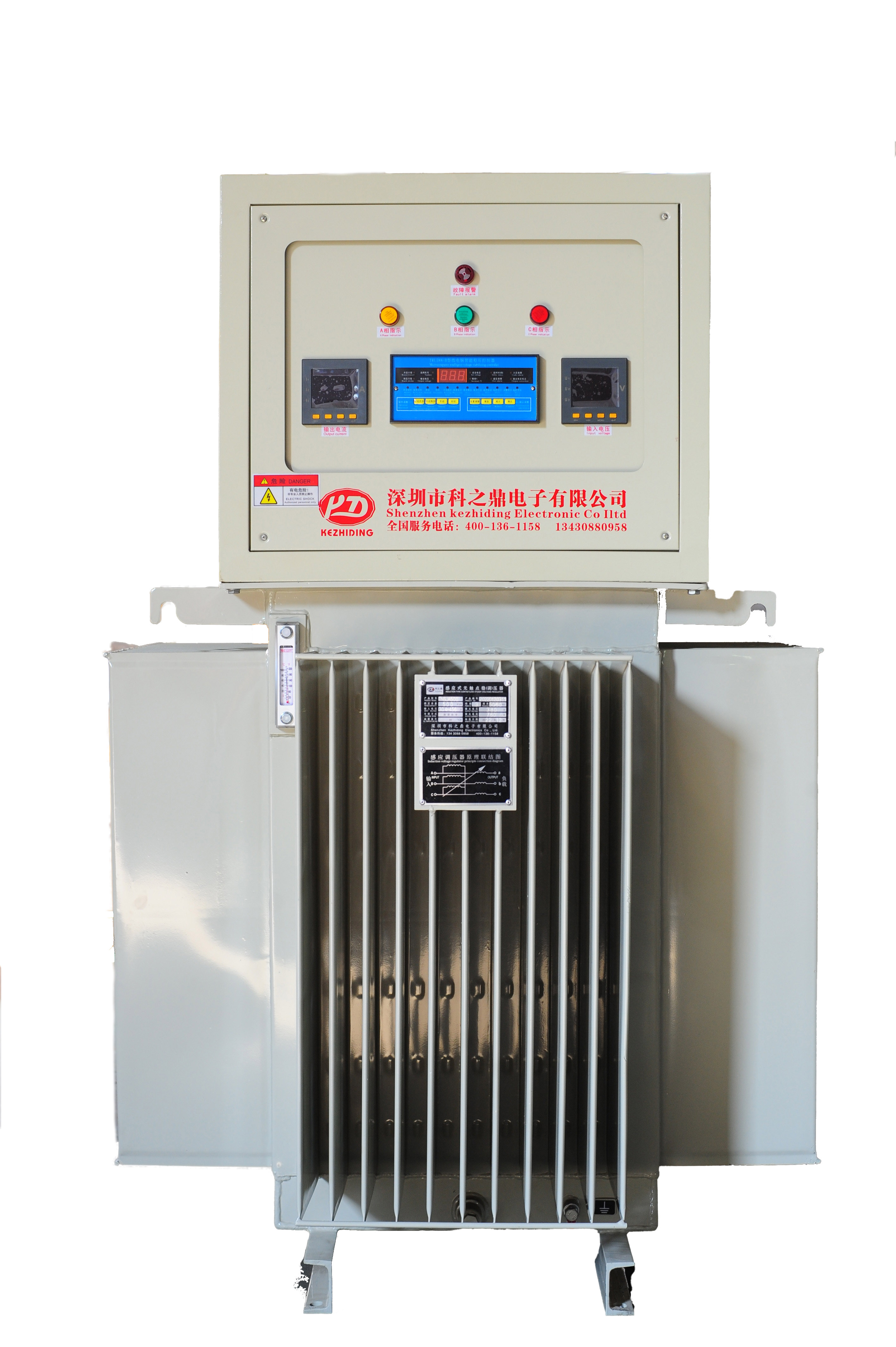
Complete selection of premium dry-type transformers, step-up/step-down units, and high-capacity regulators.
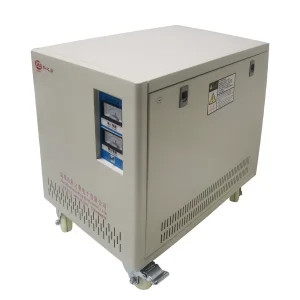
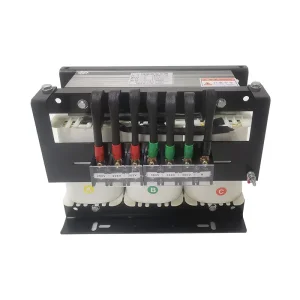
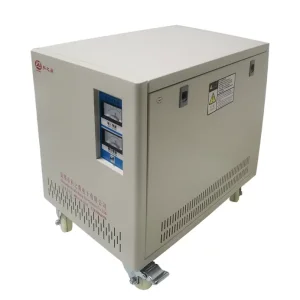
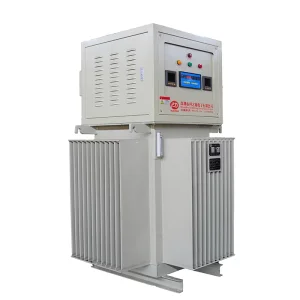
Follow these essential calculations to specify the correct kVA ratings, ensuring longevity and load protection.
To avoid premature circuit trips and structural overheating, electrical engineers sizing voltage equipment for UK distribution must calculate inductive inrush current, especially when powering motors, compressors, and pump systems. Under sizing is the primary cause of system degradation.
For standard resistive loads, a safety factor (SF) of 1.25 is sufficient. However, for severe inductive loads such as HVAC units, industrial pumps, and servo motor CNC spindles, an SF factor between 3.0 and 5.0 must be calculated to withstand the massive initial starting current draw.
Common deployment questions answered by Kezhiding's Senior Power Grid Integration Team.
Don't let voltage fluctuations damage your machinery and degrade production yield. Connect directly with our Senior Engineering Team to secure custom design prints, testing records, and competitive pricing for the UK market.
Send Inquiry Now